


 Italiano
 Français
 Deutsch
 Español
 Português
 Svenska
 Suomi
Suomi
Food Waste
Real Numbers and How to Reduce It
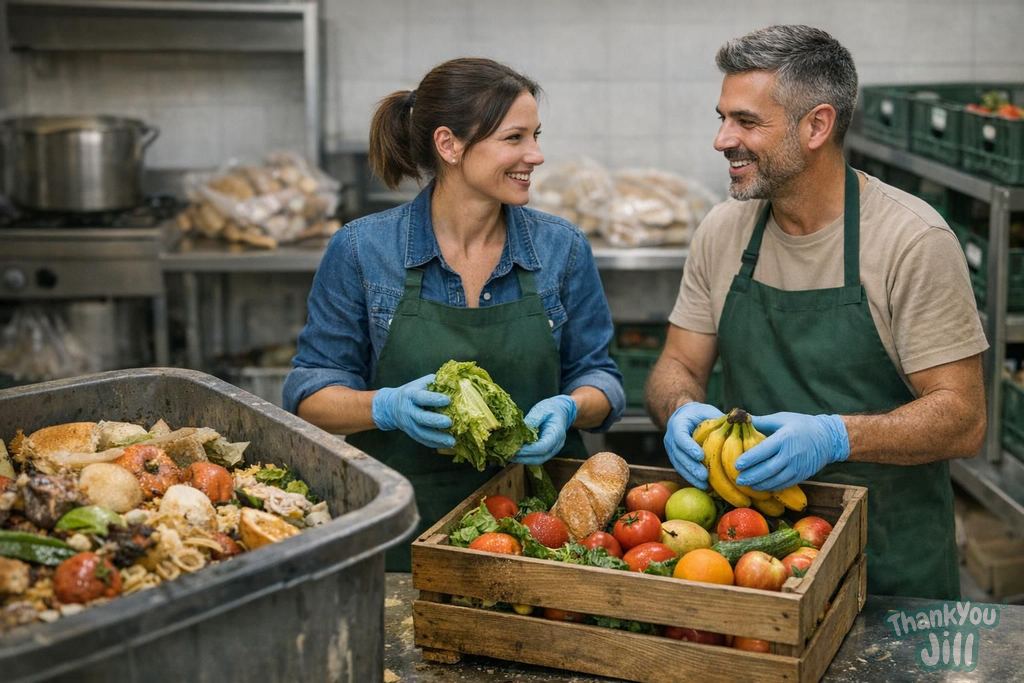
Food waste is one of the most devastating paradoxes of the global food system: while 800 million people suffer from hunger, 30-33% of all food produced for human consumption is lost or wasted between production and the plate. The FAO estimates this global waste at 1.3 billion tons of food annually. If food waste were a country, it would be the world's third-largest greenhouse gas emitter, after China and the USA. In Italy, the Waste Watcher International Report (2023) estimates that each Italian household throws away approximately 469 grams of food per week (figures improving compared to the past), totaling around 65 kg per person annually with an economic value exceeding 15 billion euros.
Where waste occurs in the food supply chain
The global 33% figure includes all losses along the supply chain, not just household waste. Distribution varies enormously between developed and developing countries. In developing countries: 40% of losses occur during production, post-harvest, and processing stages (inadequate infrastructure, lack of refrigeration, impassable roads preventing timely distribution). In developed countries: 40% of losses occur in distribution and household consumption. In Italy: production and processing (22%), distribution and food service (19%), household consumption (59%). The Italian family is the primary driver of national food waste, which also means consumers hold the primary power to create change. Most wasted foods at the household level in Italy (Waste Watcher 2023): bread and baked goods (28%), fresh fruit (21%), vegetables (19%), dairy products (9%), meat (7%).
The environmental impact of food waste
Every kilogram of wasted food has already consumed all the resources needed to produce it: water for irrigation, energy to work the soil, fertilizers, fuel for transport. Wasting it doesn't erase these consumed resources—it adds them unnecessarily to the environmental balance sheet. The FAO estimates that if food waste were completely eliminated, we would save: 28% of the world's agricultural land currently in use, 23% of freshwater withdrawn for agriculture, and avoid 8% of global greenhouse gas emissions. The European Union's FUSIONS project calculated that for every kg of food saved from waste, an average of 2.5 kg of CO2eq is saved: three times more than the average for non-wasted food, because wasted food carries the production cost without the benefit of consumption.
Main drivers of household food waste
Studies on consumer behavior identify recurring causes of household food waste: excessive purchasing due to promotions (the "buy 3 get 1 free" deal leads to buying triple what will be consumed in time), lack of meal planning (shopping without a list leads to buying unexpected items that go unused), poor refrigerator management (placing new food in front of old food: the old gets forgotten and expires), misunderstanding expiration dates (the difference between "use by" and "best before": see the next article), cooking excessive portions, and rejection of "aesthetically imperfect" food (fruit and vegetables with blemishes often discarded at the supermarket level).
Most effective measures to reduce household food waste
Behavioral research identifies actions with the greatest impact: plan your weekly meals before shopping (reduces unnecessary purchases by 20-30%), shop with a list (reduces waste by 15-25%), organize your refrigerator using the FIFO method (First In First Out: older foods in front, new ones in back), consume stale bread instead of throwing it away (bruschetta, panzanella, meatballs with soaked bread, ribollita), plan meals with leftovers (Tuesday and Thursday as "refrigerator days": cook with what you have), buy smaller quantities than promotional offers if you can't consume them in time, keep a visible "leftovers to use" jar in your fridge where you place food scraps from each meal.

The 65 kg of food each Italian throws away annually equals roughly 150 euros of money wasted, 150 kg of CO2 emitted unnecessarily, and months of wasted agricultural labor. It's not the industry's fault: it's 59% our fault. The good news is that the solution is also 59% in our hands, and it starts with Monday's shopping list.
How to organize your refrigerator to reduce waste
The FIFO-organized refrigerator (First In First Out): top shelf (intermediate temperature, 3-5°C): leftovers in clearly visible transparent containers, opened cheeses and cured meats, ready-to-eat foods. Middle shelf (4°C): dairy products, yogurt, eggs (in Italy these are kept at room temperature but the fridge extends their life), cooked foods. Bottom shelf (coldest, 2-3°C): raw meat and fish in sealed containers. Humidity-adjustable drawers: separate fruit and vegetables (fruit emits ethylene that accelerates vegetable ripening). Door: condiments, butter, opened juices, beverages. Visibility is key: what you can't see, you won't eat. Use transparent containers for all leftovers. Put a sticky note with the opening date on each opened container.
The weekly "fridge audit" method
Every Sunday morning, before shopping: open your refrigerator and take inventory of what's there. What expires this week? What's already cooked? What's left from last week? Build your weekly menu based on what you already have, adding only missing ingredients to your shopping list. This simple exercise, done weekly for a month, reduces waste by an average of 20-30% without any particular effort: you're simply using what you've already bought instead of forgetting it at the back of a drawer.
Anti-waste apps: technology to reduce food waste
Too Good To Go: the most widespread in Italy. Restaurants, bakeries, and supermarkets sell unsold food at the end of the day at reduced prices (1-5 euros for a "magic box"). Reduces waste in food service and retail. Available in over 30 Italian cities with thousands of partners. Gesto: an Italian app that lets you sell or give away food to neighbors before it expires. Karma: similar to Too Good To Go, less widespread in Italy. ShareTheMeal: not anti-waste but donation-based: every meal you "share" with a 0.80 euro donation provides a meal to a child through the WFP (UN World Food Programme). These apps don't solve the structural problem of food waste, but they're practical tools that raise awareness and reduce food ending up in landfills during the distribution phase.
Frequently Asked Questions
What are the main causes of household food waste and how can you avoid them?
Main causes include excessive purchases due to promotions, lack of meal planning, poor refrigerator management, and misunderstanding expiration dates. Avoiding them requires planning your shopping, using lists, organizing your refrigerator with the FIFO method, and consuming leftovers.
How do you organize your refrigerator to reduce food waste?
Organize your refrigerator using the FIFO method: place older foods in front and new ones in back. Use transparent containers, separate fruit and vegetables in humidity-adjustable drawers, and note the opening date on containers to improve visibility and consume more perishable items first.
How much does food waste impact the environment and what resources would be saved by eliminating it?
Eliminating food waste would save 28% of the world's agricultural land, 23% of freshwater used in agriculture, and reduce 8% of global greenhouse gas emissions. Every kg of wasted food corresponds to approximately 2.5 kg of CO2eq emitted unnecessarily.
When is it worth using anti-waste apps and what benefits do they offer?
Anti-waste apps are useful for purchasing unsold food at reduced prices and reducing waste in distribution and food service. They're effective for raising awareness and decreasing discarded food, especially in cities with many commercial partners, but they don't solve the structural problem of food waste.

Latest News




Comments
No comments yet. Be the first!
Leave a comment