


 Italiano
 Français
 Deutsch
 Español
 Português
 Svenska
 Suomi
Suomi
The Role of Urban Trees
Measurable Benefits for Cities
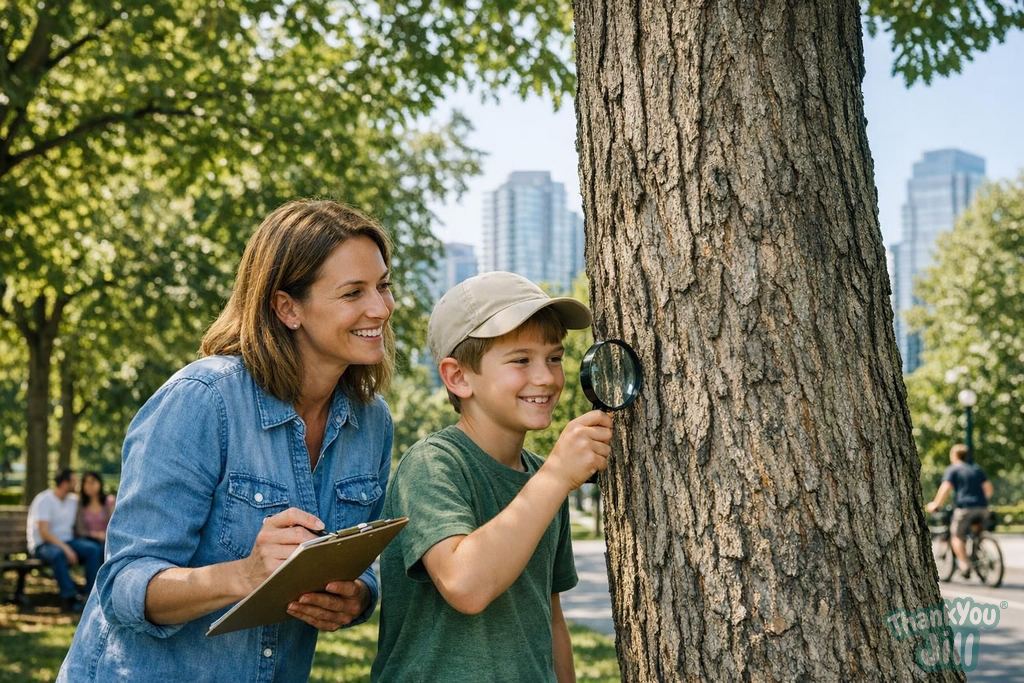
Cities are the hottest areas on the planet relative to their surface area: the "urban heat island" effect makes cities 2-10°C warmer than surrounding rural areas, due to asphalt, dark surfaces that absorb solar heat, and the lack of vegetation that would evaporate water and cool the air. Climate change amplifies this phenomenon, making cities increasingly unbearable in summer. Urban trees are the most economical and multifunctional solution to urban heat: a single mature tree can reduce local temperature by 2-8°C through shading and evapotranspiration, with benefits extending across dozens of meters.
Urban Cooling: The Most Valuable Ecosystem Service of City Trees
A mature tree in full summer evapotranspires 150-400 liters of water per day: the evaporation of all this water produces a cooling effect equivalent to 5-10 air conditioners running for 20 hours. A tree-lined avenue in summer can be 5-8°C cooler than the parallel unshaded sidewalk. This cooling reduces energy demand for air conditioning in adjacent buildings by 10-30%, with direct economic savings. The health impact: during heat waves, mortality is significantly higher in urban areas without green space compared to those with trees. Neighborhoods with more than 20% tree canopy cover show significantly lower heat-related mortality rates (Heaviside et al., 2017, study on London).
Air Quality: How Trees Filter Pollution
Urban trees remove atmospheric pollutants through two mechanisms: absorption through leaves (plants absorb NO2, O3, SO2, and fine particulate matter through leaf pores) and physical capture of particulate matter on leaf surfaces (PM10 and PM2.5 settle on the waxy surface of leaves and are then carried to the ground by rain). Species with large, textured leaves capture more particulate matter (elm, linden, beech). Conifers are highly effective for particulate matter in winter (when deciduous trees have lost their leaves). A study by i-Tree (US Forest Service) estimates that tree canopy coverage in an average city removes 100-1,000 tons of atmospheric pollutants annually, with an economic value of millions of euros. The presence of trees on school routes reduces children's exposure to PM2.5 by 15-20% compared to routes without trees.
Stormwater Management: The Overlooked Service of Trees
The soil beneath urban trees and tree canopies intercept a significant portion of precipitation, reducing the volume of water reaching the sewer system during heavy storms. A mature tree intercepts 15-40% of precipitation through its canopy (the rest drips to the ground more slowly and diffusely). Tree roots improve soil permeability (reducing compaction): water infiltrates instead of running off the surface. In cities with overburdened sewer infrastructure (many Italian cities with aging sewers), urban green space reduces urban flooding episodes. The concept of "green infrastructure" considers urban trees as a component of the city's hydraulic infrastructure, with economic value measurable in terms of reduced flooding costs.
Mental Health and Well-being: The Psychological Impact of Urban Trees
Numerous epidemiological studies show robust associations between the presence of urban green space and mental health: residents in neighborhoods with greater tree canopy cover have lower rates of depression, anxiety, and perceived stress. A 10% increase in tree canopy coverage in a neighborhood is associated with a 12% reduction in mood disorders (Beyer et al., 2014). A study of 9,751 people in the United Kingdom (White et al., 2019) shows that living near green spaces is associated with a 5-6% reduction in the risk of developing depression symptoms. The "green diet" (minimum recommended weekly exposure to urban green spaces) is an emerging concept in urban public health: the WHO recommends that every urban resident have access to green spaces within 300 meters of their home.

Every tree cut down in a city to make room for another parking lot is an air conditioner turned off, an air filter removed, a natural antidepressant eliminated. Urban trees are not decoration: they are infrastructure. They cost less than a traffic light, last longer than a building, and produce services that no human technology can replicate at the same price.
How Citizens Can Contribute to Urban Green Space
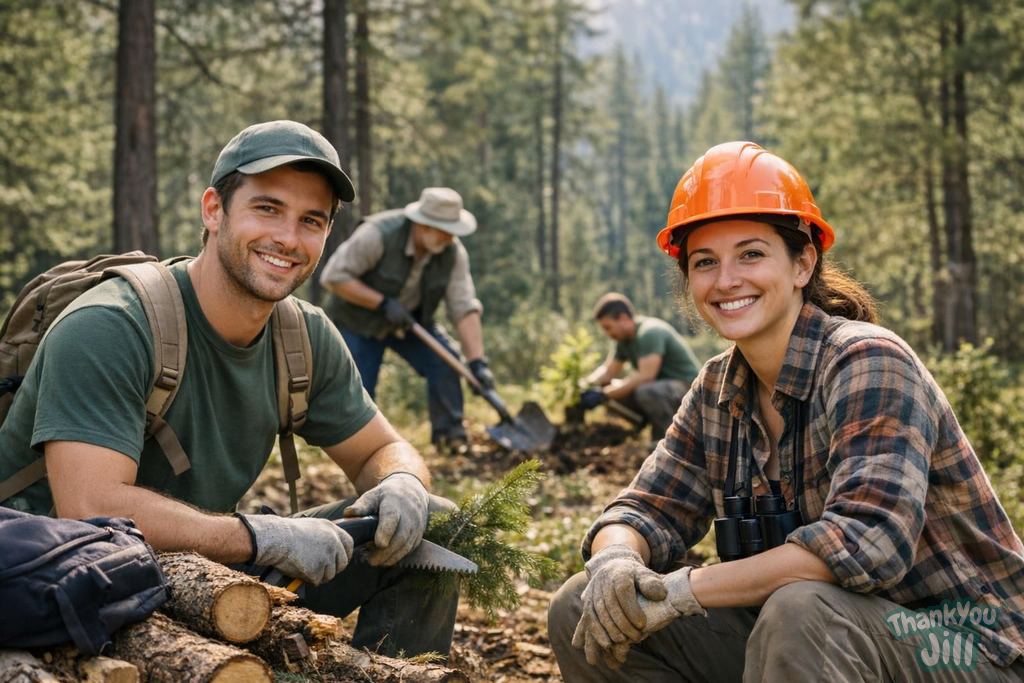
Tree census: many Italian cities are cataloging their tree heritage. Participate in citizen science initiatives that map trees (OpenTreeMap, Mundus Viridis) using your smartphone. Tree adoption: some cities (Milan with the Forestami initiative, Turin with the 100,000 Trees project) allow citizens to "adopt" a tree by contributing to its planting and care. Report problems: notify your municipality about diseased, fallen, or dangerous trees. Many municipalities have dedicated apps for reporting. Oppose removals: participate in urban planning processes when tree removals are proposed for new construction or infrastructure projects. Mature trees are economically quantifiable resources: their value must be considered in the economic evaluations of projects.
Best Species for Italian Urban Green Space
The best species for avenues and urban parks in Italy (with resistance to drought, pollution, and diseases typical of urban environments): linden (Tilia cordata and T. tomentosa): classic avenue tree, excellent canopy, resistant. Magnificent and multiple varieties. Oaks (Quercus robur, Q. ilex, Q. pubescens): long-lived, resistant, extremely high ecological value. Q. ilex (holm oak): evergreen, highly resistant to heat and drought. Resistant field elm (Ulmus minor 'Wredei' and anthracnose-resistant cultivars): good urban performance. Field maple (Acer campestre): excellent autumn coloring, resistant. Ornamental cherry (Prunus cerasifera and cultivars): spectacular blooms. Plane tree (Platanus x acerifolia): the classic of historic Italian avenues, problematic for anthracnose but still widely used for its robustness and magnificent canopy.
Milan's Forestami Initiative: A Replicable Model
Forestami is a project by the City of Milan that aims to plant 3 million trees in the metropolitan area by 2030, making Milan the European city with the highest percentage of green space per capita. The project involves companies (which finance planting in exchange for verified sustainability credits), institutions, citizens, and schools. Preliminary data (2020-2023) shows over 200,000 trees planted. The model is interesting for its public-private collaboration and geographic distribution of trees in areas with less existing green space (suburbs, industrial zones). Similar initiatives exist in Turin, Bologna, and Genoa. European comparison: Barcelona with the "Superblocks" strategy, Singapore with the "City in a Garden," Oslo with the ambition to become Europe's greenest city: different contexts but the same direction.
Frequently Asked Questions
How do urban trees help reduce the heat island effect in cities?
Urban trees reduce local temperature by 2-8°C through shading and evapotranspiration, which cools the air. This effect extends for dozens of meters, mitigating the heat island effect caused by asphalt and dark surfaces.
How do urban trees improve air quality in cities?
Trees absorb pollutants like NO2, O3, SO2, and fine particulate matter through leaves and physically capture particulate matter on leaf surfaces. Species with large, textured leaves are particularly effective at filtering air pollution.
What is the role of urban trees in stormwater management?
Trees intercept 15-40% of precipitation through their canopy and improve soil permeability with their roots, reducing the volume and speed of water reaching the sewer system, thus decreasing the risk of urban flooding.
How does the presence of urban trees affect residents' mental health?
Greater tree canopy coverage is associated with a significant reduction in depression, anxiety, and stress. For example, a 10% increase in urban green space can reduce mood disorders by 12%, improving citizens' psychological well-being.
Latest News
Comments
No comments yet. Be the first!
Leave a comment