


 Italiano
 Français
 Deutsch
 Español
 Português
 Svenska
 Suomi
Suomi
Sustainable Forest Management
FSC Certifications
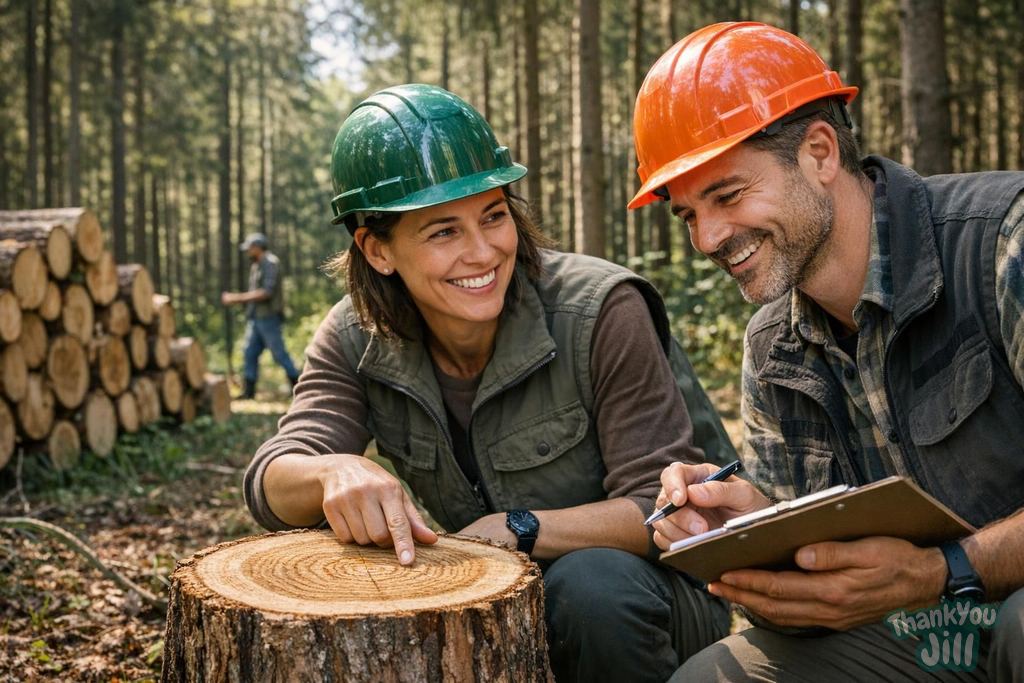
Wood is one of the most sustainable building and packaging materials available: it's renewable, sequesters carbon as it grows, is biodegradable at end of life, and requires less energy than almost all alternative materials to produce. But only if it comes from forests managed in a way that ensures their regeneration and ecosystem health. Unsustainable forest management (clear-cutting without replanting, felling of primary forests, violation of local community rights) converts forests from carbon sinks into emission sources. Forest certifications allow consumers to distinguish sustainable wood from unsustainable wood.
FSC: the most recognized forest certification system
FSC (Forest Stewardship Council) is an international non-governmental organization founded in 1993 that establishes standards for responsible forest management and certifies forests and wood supply chains that meet them. The 10 FSC principles cover: legal rights of forest enterprises, worker rights (fair wages, safety), indigenous community rights (free, prior, and informed consent), community relations, forest benefits, environmental impacts (biodiversity, endangered species, protection zones), management plan with measurable objectives, monitoring and evaluation, maintenance of high conservation value forests (HCV), and plantations (specific standards). The FSC mark on the final product (wood, paper, wood products, packaging) indicates that the material comes from certified forests or verified controlled sources traced throughout the entire supply chain.
How to use FSC certification in your everyday purchases
Wood for the home: when buying furniture, flooring, windows, or wooden building materials, look for the FSC logo on the product or ask the seller if the wood is certified. IKEA, for example, committed to using 100% FSC-certified wood or wood from recycled forests by 2020 (an objective largely achieved). Paper: FSC-certified paper guarantees that cellulose fibers come from responsibly managed forests. Available for office paper, notebooks, and packaging. It makes a real difference especially for printer paper and packaging. Packaging: more and more companies use FSC-certified cardboard packaging to stand out. The logo is visible on the box. Firewood: in Italy, a growing share of firewood is FSC-certified. Ask your local retailer or search online for "FSC-certified firewood + region name".
PEFC: the second major standard for forest management
PEFC (Programme for the Endorsement of Forest Certification) is the second global forest certification system, more widespread in Europe and especially for small private forests. PEFC is often described as more accessible for small European forest enterprises (lower cost and bureaucracy compared to FSC). It has criteria similar to FSC for sustainable management but has been criticized in the past for less stringent standards in some geographic areas. Today PEFC and FSC are considered complementary: both significantly better than uncertified wood. If you find PEFC on a product without FSC: it's still a better choice than uncertified wood. If you have a choice between FSC and PEFC for products from tropical areas: FSC is generally considered the most rigorous standard for these high-risk contexts.
The supply chain: why the FSC logo isn't just about the forest
To place the FSC logo on a final product, it's not enough that the original forest is certified: the entire supply chain (from forest to sawmill, from processing industry to distributor to retail point) must be FSC-certified. This ensures that certified wood isn't mixed with uncertified wood along the supply chain. It's the difference between a real guarantee system and marketing hype. How to verify: each FSC certificate has a unique code. On the fsc.org website in the "Find certified" section, you can verify whether a company actually has certification or if the logo is fake. The database is public and free.

An FSC-certified tree isn't simply a tree that wasn't illegally felled: it's a tree that was part of an ecosystem managed with criteria that respect biodiversity, local communities, and the hydrological cycle. When you buy FSC wood, you're paying for this system. And what you pay extra is what the conventional market externalizes onto the environment and communities.
Recycled and reclaimed wood: the most sustainable option of all
Before FSC-certified wood, there's an even more sustainable option: recycled, reclaimed, reused wood. Reclaimed wood (from demolitions, old furniture, pallets) already contains the carbon sequestered during the original tree's growth: it requires no felling of new trees, reduces construction waste, and often has aesthetic characteristics (patina, signs of age, species no longer available) that are highly appreciated. In Italy, the reclaimed wood market is growing: architects and interior designers use it increasingly. Italian companies like Sette-ECODESIGN, Palimpsest, and others produce high-quality furniture and furnishings with reclaimed wood. For home DIY: wooden pallets are often available free from building material stores or craftspeople: with some work they become tables, bookshelves, seating, and planters.
Deforestation in Italy: the opposite problem
In Italy, the forest problem isn't mainly deforestation (as in tropical forests) but abandonment and lack of forest management. 37% of Italian territory is covered by forest, and this percentage has continuously increased since the post-war period due to abandonment of mountain agriculture. Italian forests are often under-managed: the absence of selective cutting produces dense and unstable woods with weak trees, high vulnerability to fires and storms (like the Vaia storm of 2018 that felled millions of trees in Trentino-Alto Adige). Active and sustainable forest management (which includes selective cutting, forest roads, fire prevention measures) is necessary for Italian forests too: it's not incompatible with sustainability when done according to FSC or PEFC principles.
How to contribute to sustainable forest management without buying wood
Choose FSC or PEFC-certified paper (or recycled paper, even better) when buying printer paper, notebooks, and gift wrap. Prefer products with FSC-certified cardboard packaging over uncertified or plastic packaging. Support campaigns by Legambiente, WWF, and PEFC Italia to protect Italian forests and promote sustainable management. Participate in "forest adoption" programs run by municipalities and companies that manage woodlands according to verifiable criteria. Report any illegal or suspected deforestation in your area to forest authorities.
Frequently Asked Questions
What is the main difference between FSC and PEFC certification in forest management?
FSC certification is considered more rigorous and suited to high-risk tropical forests, while PEFC is more accessible for small forest enterprises, especially in Europe, with similar but less stringent criteria in some areas. Both guarantee sustainable management compared to uncertified wood.
How can I verify if a product with an FSC logo is truly certified?
You can check the validity of an FSC certificate using the unique code on the product through the public and free database on the fsc.org website in the "Find certified" section. This ensures that the entire supply chain is certified, not just the original forest.
When is it worth choosing FSC-certified wood over uncertified wood?
It's worth choosing FSC-certified wood when you want to ensure that the material comes from responsibly managed forests that respect biodiversity, local community rights, and environmental sustainability, avoiding negative impacts like unsustainable deforestation and ecosystem loss.
What are the advantages of reclaimed wood compared to FSC-certified wood?
Reclaimed wood is even more sustainable because it requires no felling of new trees, reduces waste, and maintains already-sequestered carbon. It's ideal for recovery and reuse in construction and design, offering unique aesthetic characteristics compared to FSC-certified wood.

Latest News

Comments
No comments yet. Be the first!
Leave a comment