


 Italiano
 Français
 Deutsch
 Español
 Português
 Svenska
 Suomi
Suomi
Fruits, Seeds, Berries, and Flowers
Seasonal keys to identifying every tree in the forest
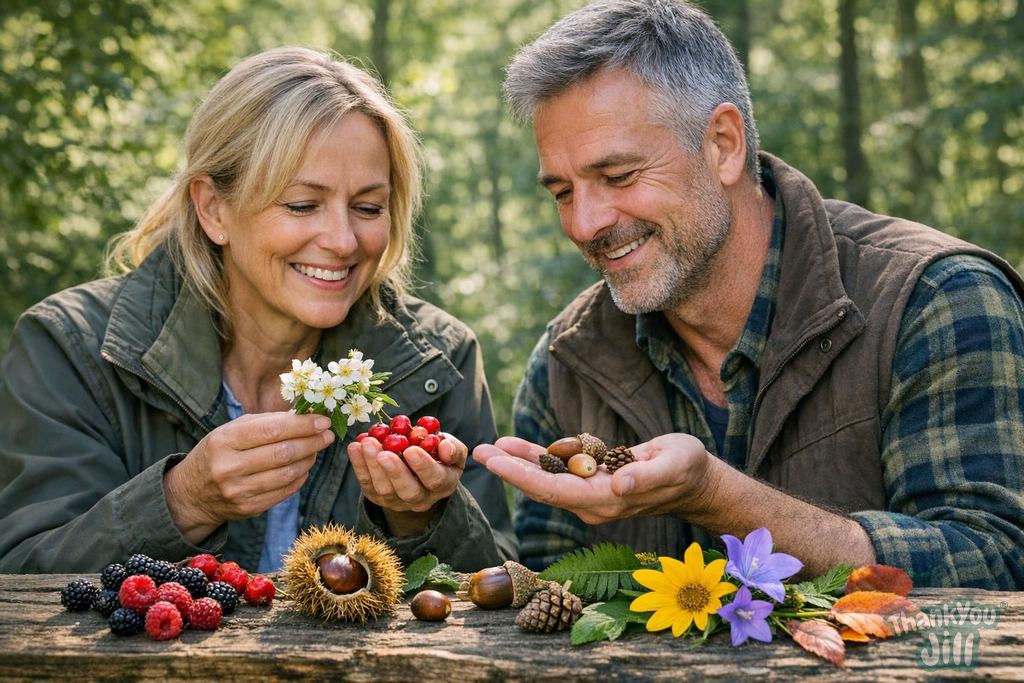
There are days when the wind has stripped away all the leaves and the bark is covered in snow. It would seem impossible to identify a tree. But look down at the ground: there's always something there. A pine cone, an acorn, a maple samara, a dried flower cluster. The fruits and seeds of trees are permanent clues—they fall, stay on the ground, decay slowly. And they tell you everything.
Tree fruits: a gallery of shapes
The acorn is the quintessential symbol of tree fruits: characteristic of oaks (Quercus spp.), it's a nut (a hard, indehiscent fruit) partially wrapped in a scaly cup. The shape of the cup and scales varies between species: in common oaks the scales are pressed down and short, in Turkish oaks they're thread-like. The spiny burr of the chestnut is one of Italy's most recognizable fruits: inside it contains 1-3 chestnuts, seeds rich in starch. The samara (a winged fruit) is characteristic of maples (double helical samara), ash (single elongated samara), and elm (rounded samara with a central seed). Samaras fall spinning like little helicopters—a spectacular sight in autumn. The cone is the fruit of conifers. The Scots pine cone is small (3-6 cm), asymmetrical, gray-brown. The white fir cone disintegrates on the tree (doesn't fall whole). The larch cone is small and stays on the tree for years. The sequoia cone is egg-sized. Drupes (fleshy fruits with a hard pit inside) are characteristic of Prunus species: cherry, plum, peach, and also wild blackthorn (Prunus spinosa, with its blackish berries slightly powdery and used for sloe liqueur). Berries (fleshy fruits without a hard pit) are found on many shrubs and trees: rowan (Sorbus spp.)—orange-red berries in clusters, edible; holly (Ilex aquifolium)—shiny red berries, toxic to humans; ivy—black berries, toxic; elderberry—dark purple berries in flat umbels.
Tree flowers: when identification becomes easier
In spring, when trees flower, identification often becomes immediate. Tree flowers are extremely diverse and many are highly characteristic. Wild cherry flowers: white with five petals, in clusters, appearing before the leaves in March-April. Linden flowers: small, yellowish, with a striking green-yellow winged bract, highly fragrant in June. Chestnut flowers: long yellowish catkins covering the tree in June, with a pungent and characteristic smell. Acacia/robinia flowers: white, in fragrant drooping clusters in May—among the most beautiful and recognizable in the forest. Ash flowers: appear before the leaves, are tiny and without petals, inconspicuous. Elm flowers: tiny, reddish, appearing before the leaves in February-March—one of the first signs of spring arriving. Field maple flowers: yellowish-green, arranged in corymbs, appearing with the leaves in April.
Seeds and dispersal: how they move through the forest
Tree seeds disperse in fascinating ways that reveal their evolutionary strategies. Anemochory (wind dispersal): maple (helical samaras), ash (samaras), birch (tiny seeds with small wings), poplar (seeds with cottony pappus), elm. Zoochory (dispersal by animals): oak (acorns hidden by jays and squirrels), cherry (cherries eaten and seeds defecated far away), rowan (berries eaten by birds). Autochory or barochory (gravity dispersal): chestnut (burrs fall heavily), walnut (walnuts fall near the tree). Observing the type of dispersal tells you much about the tree's evolutionary strategy and its alliances with forest animals.

Tree fruits aren't there for us—they're evolutionary messages for the animals that disperse them. But by learning to read them, we insert ourselves into this ancient conversation between trees and forest animals.
How to collect and use tree fruits to identify them
- Create a fruit collection: gather from the ground (not branches) a sample of every fruit you find—acorns, samaras, chestnut burrs, pine cones, dried berries. Put them in separate trays. Photograph them with your phone and use them for identification. A collection of 10-15 fruits gathered in a single autumn walk is already enough material to learn the main species in your area.
- The floating test for seeds: put seeds in a glass of water. Vital, heavy seeds sink; empty or non-viable ones float. The same applies to acorns: those that float are empty or infested with larvae. This trick also works for chestnuts (as already seen in the chestnut article).
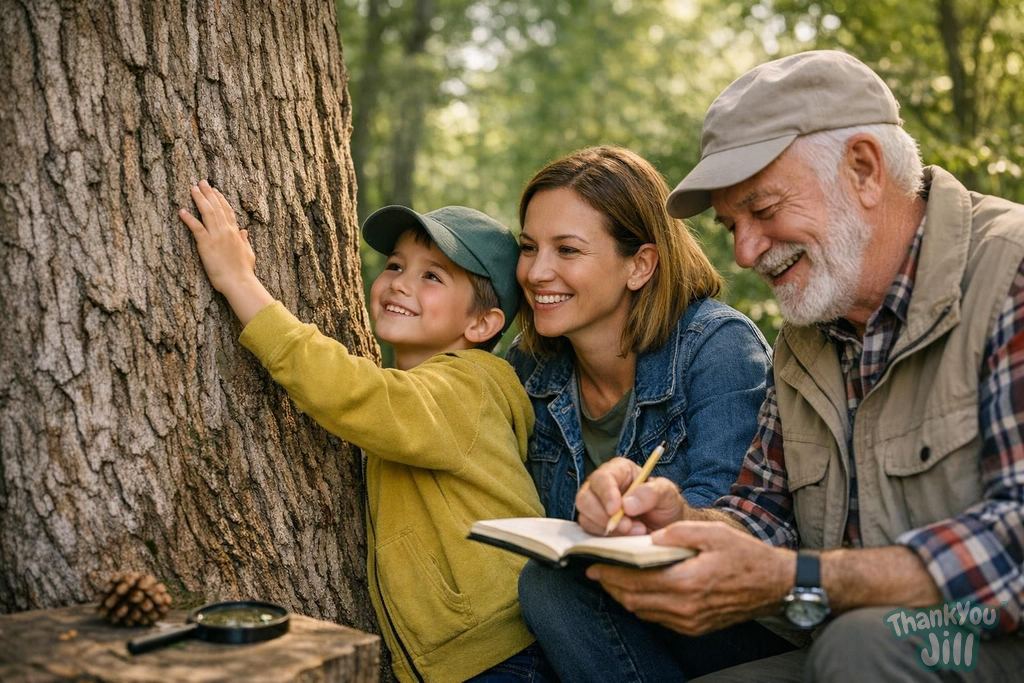
- Learn about samaras: maple samaras are among the most fun to collect with children. Toss it in the air and watch how it spins down like a helicopter. Explain to children that this spinning slows the fall and allows the wind to carry it far from the tree.
- Watch out for toxic berries: teach children never to taste berries without adult confirmation. Berries from holly, ivy, yew, deadly nightshade, spindle tree, and hawthorn (in large quantities) are toxic. The golden rule: no wild red or black berries are eaten without certain identification.
- Cones as natural decorations: cones from conifers (pine, fir, larch, cypress) are excellent materials for creative crafts with children. Before using them, dry them in the oven at 80°C for 30 minutes to eliminate any insects or larvae. Then paint them, use them as candle holders, hang them as natural decorations.
- Taste edible fruits with caution: wild cherries, blackberries, rowan berries (Sorbus aucuparia: eaten cooked, not raw), wild plums from blackthorn, hawthorn berries (cooked into jelly), pine nuts from stone pine. All these wild fruits are edible with proper care. But always identify the plant with certainty before tasting anything.
The seasons of trees can be read in their fruits like pages of a natural calendar: flowers in March-April, green fruits in summer, ripe fruits and seeds in autumn, dried fruits remaining on branches in winter. Learning this calendar connects you to the rhythms of the forest in a way no book can teach.
Frequently Asked Questions
How do you identify a tree in winter when there are no leaves?
In winter, you can identify a tree by observing fruits and seeds that have fallen to the ground, such as acorns, samaras, cones, or dried berries. These elements remain on the ground longer and provide unique clues for each species even without leaves.
What's the difference between maple, ash, and elm samaras?
Maple samaras are double and helical, ash samaras are single and elongated, while elm samaras are rounded with a central seed. This different shape helps you easily recognize each species.
How can you tell if a seed or acorn is viable?
You can do the floating test by putting seeds or acorns in water: viable, heavy ones sink, while empty or infested ones float. It's a simple method to select healthy seeds for germination or identification.
When is the best time to collect fruits to identify trees?
The best time is autumn, when many fruits and seeds are ripe and have fallen to the ground. By collecting a variety of fruits like acorns, samaras, and berries during this season, you can create a useful collection for recognizing forest species.
Latest News

Comments
No comments yet. Be the first!
Leave a comment