

 English
 Italiano
 Français
 Deutsch
 Español
 Português
 Svenska
 Suomi
Suomi
Autumn
Why leaves change color: the magic behind the science
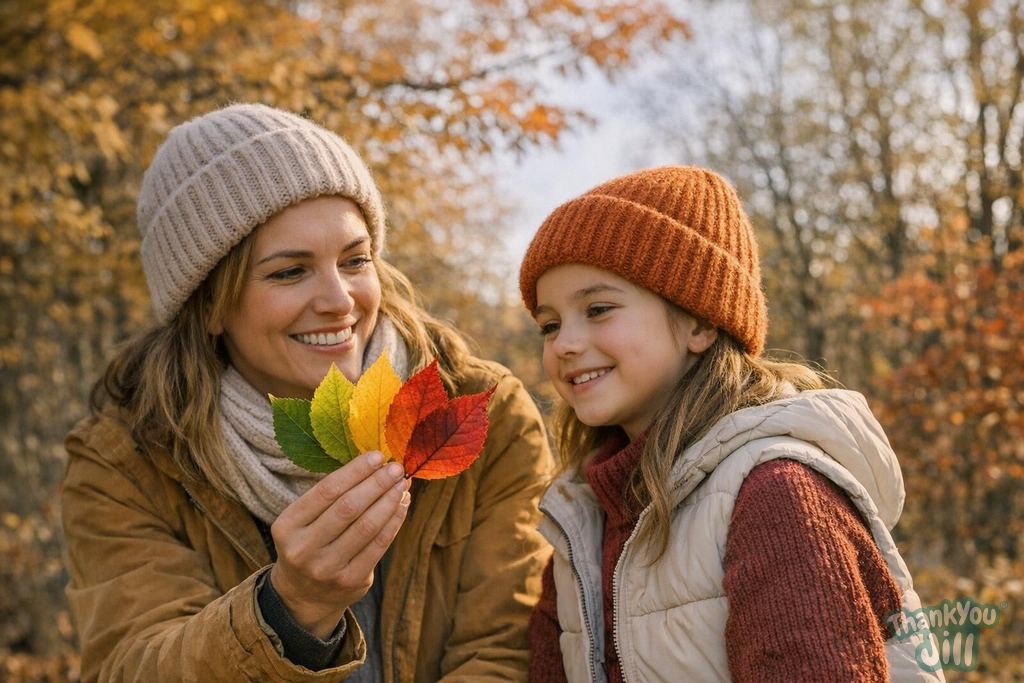
October. Forests become a palette of reds, oranges, yellows, and browns. Tourists arrive in the mountains specifically to photograph it. Children throw themselves into piles of leaves with an enthusiasm no adult can quite explain. But why do leaves change color? The answer is one of the most beautiful stories in plant biochemistry — and almost nobody really knows it.
Chlorophyll was hiding everything: the secret of green
The answer to the mystery of autumn colors starts with a surprising fact: yellow and orange colors don't appear in autumn. They were already there, hidden all summer long. Green leaves contain yellow and orange pigments year-round (xanthophylls, carotenoids, beta-carotene) that play a supporting role in photosynthesis. But the amount of chlorophyll (the green pigment that absorbs red and blue light for photosynthesis) is so dominant that it completely masks all other colors. When, in September-October, the tree begins to break down chlorophyll to recover its nutrients (especially magnesium, which is precious and expensive to produce), the green disappears and the yellows and oranges — which were there all along — finally become visible. Reds and purples, on the other hand, are new: they are synthesized from scratch in autumn. Anthocyanins, the pigments responsible for red-violet colors, are produced by the tree in the final weeks before leaf fall. The exact function of autumn anthocyanins is still debated among scientists: the most widely accepted theory is that they protect leaves from sunlight (which could damage the nutrient recovery mechanism) during the dismantling phase of the photosynthetic machinery.
Why do some species turn red and others yellow?
The color difference between species depends on which pigments are produced or unmasked. Yellow and gold: birch, quaking aspen, ginkgo, larch, horse chestnut. Xanthophylls and carotenoids predominate. Intense orange: field maple, ash, liquidambar, serviceberry. A combination of xanthophylls and anthocyanins. Bright red: Norway maple (Acer platanoides), liquidambar, blackthorn, rowan, viburnum. High anthocyanin production. Brown-bronze: oak, beech, hornbeam. Tannins (polymeric pigments) remain after the breakdown of other pigments. Purple: some ornamental varieties of maple and liquidambar. Particularly concentrated anthocyanins. The variety of colors in an autumn forest is not random: it's the overlapping of different nutrient recovery strategies across different species.
Weather conditions that enhance colors
The most beautiful autumn colors occur under specific climatic conditions: sunny, warm days and cool nights (but not freezing). Daytime sun provides energy for anthocyanin synthesis; cool nights slow the breakdown of sugars in leaves (anthocyanins form from excess sugars that can't migrate quickly to the stem when it's cold). Autumn seasons with these conditions — typical of New England, Japan, and northern Italy in favorable years — produce extraordinarily intense colors. Seasons with rainy, foggy autumns or early frosts produce instead muted colors and leaves that fall before changing. Climate change is altering these patterns: warmer and drier autumns in Italy are changing the quality of fall colors, with some species coloring later and with less vivid tones in more southern areas.
Leaf fall: a programmed detachment
Leaves don't fall because of wind or cold — they are literally detached from the tree by a programmed mechanism. At the base of the petiole, an abscission layer forms: specialized cells that produce enzymes (cellulase and pectinase) that break down the cell wall between the petiole and the branch. When the breakdown is complete, the leaf detaches at the slightest touch of wind. This process begins weeks before the leaf falls and proceeds gradually as nutrient recovery takes place. The moment when all leaves fall from a healthy tree is not a catastrophe — it's a perfectly organized final act.

The red of the forest in October is not the death of leaves: it's the tree's final work, recovering every gram of nutrient before letting go. It's not melancholy. It's efficiency raised to the height of beauty.
How to experience autumn trees at their best: outings and activities
- Seek out mixed forest in October: forests with many different species produce the richest palette. In the central Apennines and the Lombard and Venetian foothills, a mixed forest of beeches, oaks, maples, rowans, and wild cherries in October is one of Italy's most beautiful natural spectacles. Plan your outing between October 10 and 25 for most Italian areas.
- Best in the morning: autumn colors are most saturated in the low light of morning (before 10 a.m.) or late afternoon (after 4 p.m.). Raking light enhances reds and oranges in a way that midday light simply cannot.
- Experiment with leaf chromatography: take a green leaf (not yet changed), shred it in a glass, pour in some alcohol (acetone or laboratory ethanol), wait 10 minutes. Take a strip of filter paper, dip one end in the solution and wait 20-30 minutes. The pigments rise at different speeds along the paper, separating into bands of color: green from chlorophyll, yellow from xanthophylls, orange from carotenoids. This experiment — doable with inexpensive materials — visually demonstrates that the colors were already there, under the green, all along.
- Collect the most beautiful leaves: press the most colorful autumn leaves between the pages of a heavy book for 2-3 weeks. Then use them for bookmarks, frames, or decorations. Maple, ginkgo, and liquidambar leaves in autumn are particularly beautiful when pressed.
- Explain the chemistry to children with an apple: ask children: why does an apple turn yellow when you cut it? Why do leaves turn yellow? In both cases, there's oxidation and chlorophyll breakdown (in the apple) or chlorophyll recovery (in the leaf). The parallel helps explain the concept.
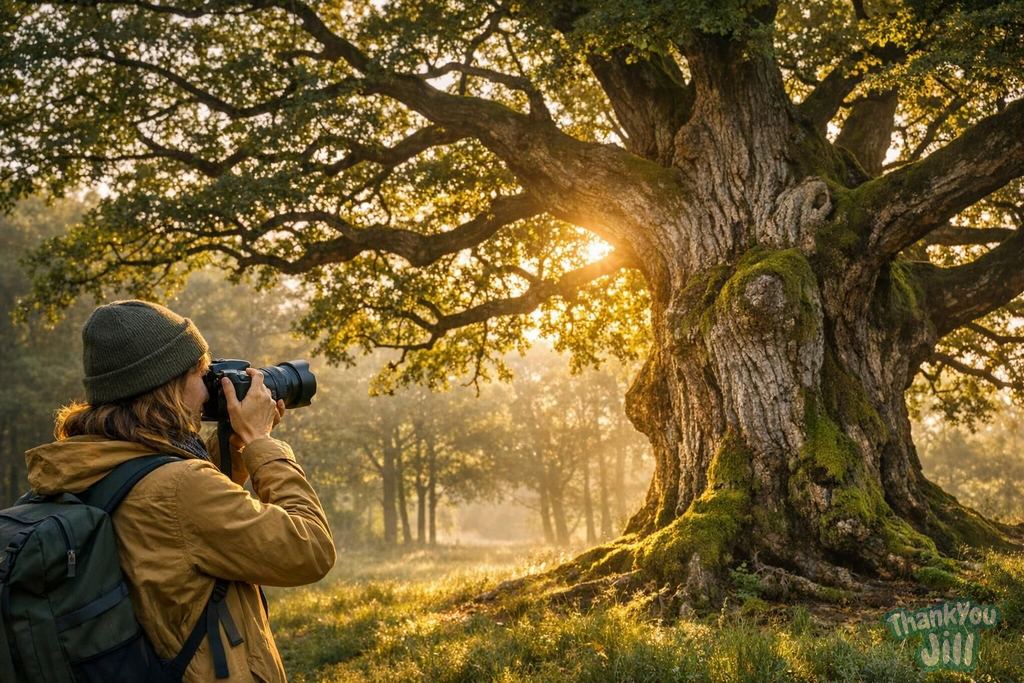
- Photograph the same tree every week in October: a weekly photo album of the same tree throughout October is one of the most beautiful natural history documents you can create with a phone. Watch the color change day by day, layer of leaves after layer.
The autumn of trees lasts 4-6 weeks a year. It's one of the shortest and most intense seasons in Italian nature. Don't let it slip away.
Frequently asked questions
Why do leaves turn yellow or orange in autumn if these colors are already present year-round?
Yellow and orange pigments are always present in leaves, but they're hidden by green chlorophyll during summer. In autumn, chlorophyll breaks down to recover nutrients, revealing the yellow and orange colors that were already there.
How are red pigments formed in autumn leaves and what is their function?
Red pigments, called anthocyanins, are synthesized by leaves only in autumn. They likely protect leaves from intense sunlight during nutrient recovery, preventing damage to the photosynthesis dismantling process.
What weather conditions favor the most intense autumn colors and why?
Vivid autumn colors form with sunny, warm days and cool but not freezing nights. Sun promotes anthocyanin synthesis, while cool nights slow sugar breakdown in leaves, allowing more intense red pigments to form.
How does the leaf-fall process work and why doesn't it depend solely on wind or cold?
Leaf fall is a programmed process: an abscission layer forms at the base of the petiole that produces enzymes to detach the leaf. This happens gradually as the tree recovers nutrients, and the leaf falls at the slightest touch, not simply from wind or cold.
Latest News


Comments
No comments yet. Be the first!
Leave a comment