


 Italiano
 Français
 Deutsch
 Español
 Português
 Svenska
 Suomi
Suomi
Forests and Woodlands in Cinema
The Films That Taught Us to Love Trees and Respect the Wild
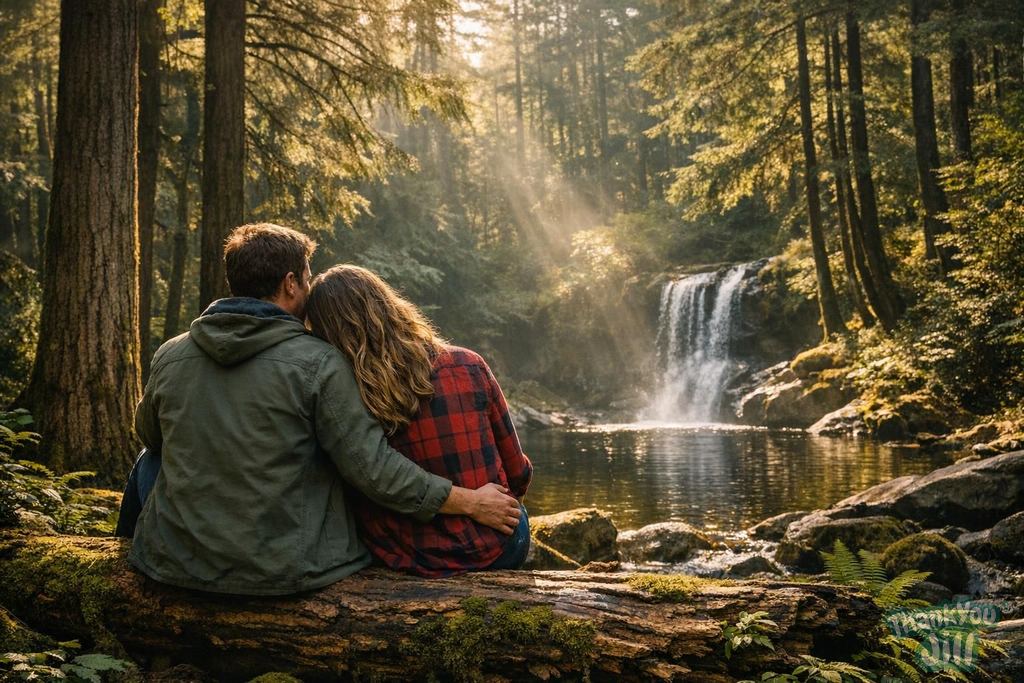
Cinema has the power to show us forests in ways we never experience in real life — from above, from within, in slow motion, set to music. Certain cinematic images of forests have become so deeply embedded in our collective imagination that when we step into an actual forest, we carry those film images with us. It's a subtle yet pervasive cultural influence — and almost always a positive one.
Bambi (Disney, 1942): Cinema's First Major Environmental Narrative
Bambi is arguably the film that sparked the first massive emotional response to forest destruction in cinema history. The forest fire sequence — flames advancing, animals fleeing, the death of Bambi's mother — traumatized generations of children and, in doing so, created a powerful empathy for the forest as a living habitat. Based on Felix Salten's 1923 Austrian novel Bambi: A Life in the Woods, the Disney film employed groundbreaking naturalistic research (animator Frank Thomas studied real deer movement). The environmental message — mankind as a threat to the forest — was implicit yet powerful. It remains one of the most effective films in the history of environmental communication.
Princess Mononoke (Miyazaki, 1997): The Forest as Deity and Victim
Princess Mononoke by Hayao Miyazaki is arguably the most complex and visually stunning animated film ever made about the conflict between human development and forest nature. Set in medieval Japan, it depicts the clash between an iron-smelting village (that clears the forest for metal production) and the forest gods — giant boars, white wolves, the Forest Spirit itself — who resist. There are no spotless heroes or pure villains: Miyazaki constructs a morally intricate narrative where human needs (survival, progress) and nature's claims (existence, sanctity) collide without either side achieving total victory. The animated portrayal of the forest — with the Kodama (tree spirits), the primordial woodland, the Forest Spirit — ranks among the most visually stunning depictions in the history of world animation.
Avatar (Cameron, 2009): The Forest as Neural Network
Avatar by James Cameron brought to screens worldwide the vision of a forest as a living neural network — Pandora's forest is literally connected through synaptic pathways, trees communicate via their roots, the Na'vi can interface directly with this biological system. Cameron drew explicit inspiration from research on the Wood Wide Web (the mycorrhizal network of real forests) to construct Pandora's biological system. The film — criticized on many narrative grounds — had a documented effect on public interest in real forest ecology: in the months following its release, online searches for "Wood Wide Web" and "mycorrhizal networks" increased significantly. Art informing science — and science informing art.
The Revenant (Iñárritu, 2015): The Forest as Blind Force
The Revenant by Alejandro González Iñárritu, shot almost entirely in natural forests of Alberta (Canada) and Ushuaia (Argentina), uses the forest in a completely different way — not as a character or symbol, but as a physically oppressive, indifferent, neutral environment. The forest is neither friend nor enemy to the protagonist (Leonardo DiCaprio): it simply exists, vast, cold, beautiful with utter indifference. It's one of cinema's most immersive portrayals of the physical presence of real forest (not CGI-recreated) — natural light, actual snow, real trees. Iñárritu's choice to shoot in natural light within actual forests imposed grueling production schedules but yielded images of a beauty and visual authenticity that computer graphics cannot replicate.

Bambi taught generations of children that forests burn and don't come back. Miyazaki showed that the conflict between humans and nature has no winner. Cameron imagined trees that speak to one another. Cinema did for forests what no documentary could: it made them characters. And we love characters.
Films to Watch with Kids and Adults About Forests and Trees
- For children (5-10 years): Bambi (Disney, 1942) — essential viewing; The Jungle Book (Disney, 1967) — the forest as home; Bambi 2 (Disney, 2006) — lesser-known, more tender; The Smurfs (forest episodes) — the forest as an ideal village. Note: Bambi includes the death of the mother — prepare sensitive children for this.
- For children/teens (10-14 years): Princess Mononoke (Miyazaki, 1997) — forests and spirits; The Princess and the Frog (Disney, 2009) — Louisiana's swamps as an ecosystem; Spirit: Stallion of the Cimarron (DreamWorks, 2002) — nature as freedom.
- For teens and adults: Avatar (2009); The Revenant (2015); Into the Wild (Penn, 2007) — a man seeking wilderness; Stand by Me (Reiner, 1986) — the forest as the landscape of adolescence; The Blair Witch Project (1999) — the forest as a place of primal fear.
- Essential documentaries about trees: Fantastic Fungi (2019) — the world of mycelium and forest communication (available on Netflix); Ancient Forest (BBC) — primary forests of the Northern Hemisphere; Planet Earth II forest episode (BBC, available on various platforms); Kiss the Ground (2020) — soil and forest regeneration.
- With kids — your local "forest film": Film a walk through the woods on your phone and edit it with music (even using just your phone's basic app). The result — with simple narration ("this is the hundred-year-old beech," "I found galls here") — becomes a personal nature documentary. Kids love seeing themselves as the stars of a film about a forest they've actually explored.
Cinema gives us new eyes to see the forest. Every time you enter a forest after watching Avatar or Princess Mononoke, part of you searches for the glowing network beneath the roots, the spirits of the trees, the invisible connections. It's not fantasy — it's the emotional response that art generates, which then transforms into real scientific curiosity. From wonder to science, from cinema to nature: the path works.
Frequently Asked Questions
What is the emotional impact of Bambi on how children perceive forests?
Bambi created a powerful emotional response by showing forest destruction and animal loss, raising awareness across generations of children about the value of forests as habitats worth protecting.
How does Princess Mononoke portray the conflict between humans and nature?
Princess Mononoke presents a complex conflict with no absolute heroes, where human development and the forest's sacredness confront each other, highlighting the coexistence of human and natural reasons without a clear winner.
How has Avatar influenced interest in real forest ecology?
Avatar introduced the idea of the forest as a living, interconnected network, drawing inspiration from the Wood Wide Web, and significantly increased online searches about forest ecology and mycorrhizal networks after its release.
Why does The Revenant use the forest as an indifferent and realistic environment?
The Revenant portrays the forest as an oppressive and neutral physical environment, shot in natural forests with natural light, to convey authenticity and the imposing presence of the wilderness without symbolism or personification.
Latest News

Comments
No comments yet. Be the first!
Leave a comment