


 Italiano
 Français
 Deutsch
 Español
 Português
 Svenska
 Suomi
Suomi
Trees in the City
The special needs of a living being in one of the most challenging environments
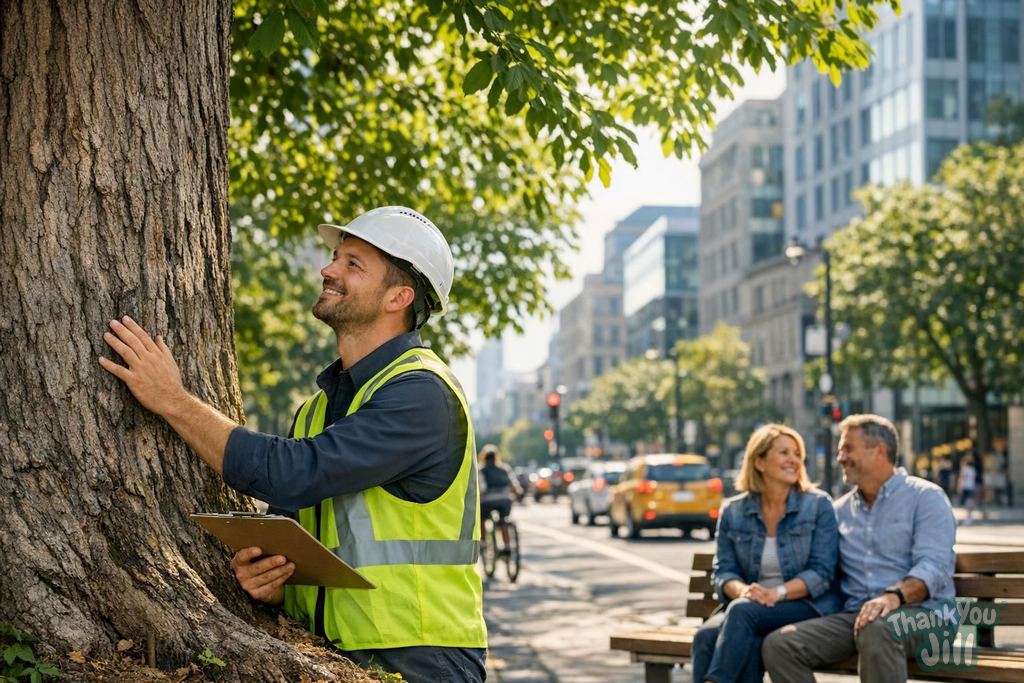
You know that plane tree on the sidewalk of the avenue that gives you shade every summer, filters out smog, and cools your walk by a few degrees? Do you know what it goes through every day? The soil beneath its feet is hard as concrete, compressed by decades of foot and vehicle traffic. In summer it reaches 50-60°C. In winter it gets salted. Electrical cables run where branches should grow. Workers top it every three years. And there it still stands, doing its job in silence. It's one of the most resilient living beings that exists — and we almost never thank it.
Urban soil: the first major problem
The soil of sidewalks and street planting beds is one of the most hostile substrates for a tree. Compaction is the main issue: years of trampling, traffic, and road work transform the soil into an almost solid mass, with very little air space between particles. Tree roots need oxygen to breathe — in compacted soil, oxygenation is insufficient and root growth stalls. The tree responds with shallow roots that lift the sidewalk (the famous "tree breaking the pavement") desperately seeking oxygen in the upper layers. The alkaline pH of urban soil (caused by leaching from concrete and building materials) blocks the absorption of micronutrients like iron and manganese — producing chronic leaf chlorosis. Winter salting of roads increases sodium concentration in the soil, toxic to roots. Contamination from heavy metals, hydrocarbons, and buried waste is nearly ubiquitous in urban soils of older cities.
The urban microclimate: the heat island
Cities are warmer than the surrounding countryside — a phenomenon called the urban heat island (UHI). Artificial surfaces (asphalt, concrete, brick) absorb and release heat far more than vegetated surfaces. An asphalt road in August can reach 60-70°C at the surface. This temperature transfers to the soil beneath, stressing the shallow roots of trees. In a city like Rome, average summer temperatures can be 4-8°C higher in the urban center compared to peripheral green areas. Trees suffer from this extra heat — especially species adapted to cool temperate climates (plane tree, linden, horse chestnut) which are nonetheless the most commonly used species in Italian street plantings for their relative robustness.
The ecosystem services of urban trees: what they do for us
Despite the difficulties, urban trees continue to provide essential services for quality of life in cities. Cooling: an adult tree transpires up to 400 liters of water per day, cooling the surrounding air by 2-8°C through evapotranspiration. A tree-lined street can be 5-10°C cooler than a non-tree-lined street in the height of summer. Pollutant capture: tree leaves trap fine particulates (PM10, PM2.5) on their surface and absorb toxic gases (ozone, nitrogen dioxide, sulfur dioxide) through their stomata. An adult tree captures an average of 1-2 kg of dust per year. Runoff reduction: tree canopies intercept rainfall, reducing the volume of water that rapidly flows toward storm drains and causes flooding. CO2 sequestration: each tree absorbs varying amounts of CO2 each year depending on size and species. Psychological benefits: scientific studies document that the presence of trees on streets reduces stress levels, improves perceived safety, and encourages physical activity.

The plane tree on the avenue does extraordinary work under impossible conditions. It doesn't ask for silence, it doesn't ask for gratitude. But if you really look at it — with the compressed concrete soil around its roots, with the 50-degree heat of the asphalt in August — you understand that it deserves at least someone caring about how it's doing.
How to help the trees in your city: concrete actions
- Don't trample the soil at the base of trees: simply standing on the tree disc area (the circle of soil around the trunk) contributes to compaction. Try to walk at least 1 meter away from the trunks of street trees. If you see a tree disc area without fencing and with compacted, bare soil, report to your municipality the need for protection.
- Don't tie bicycles, scooters, or cables to tree trunks: bindings that cut into bark damage the tree's vascular system. Metal cables strangle the trunk over time. Spray paint and graffiti on bark obstruct gas exchange. These actions — often perceived as harmless — cause significant cumulative damage.
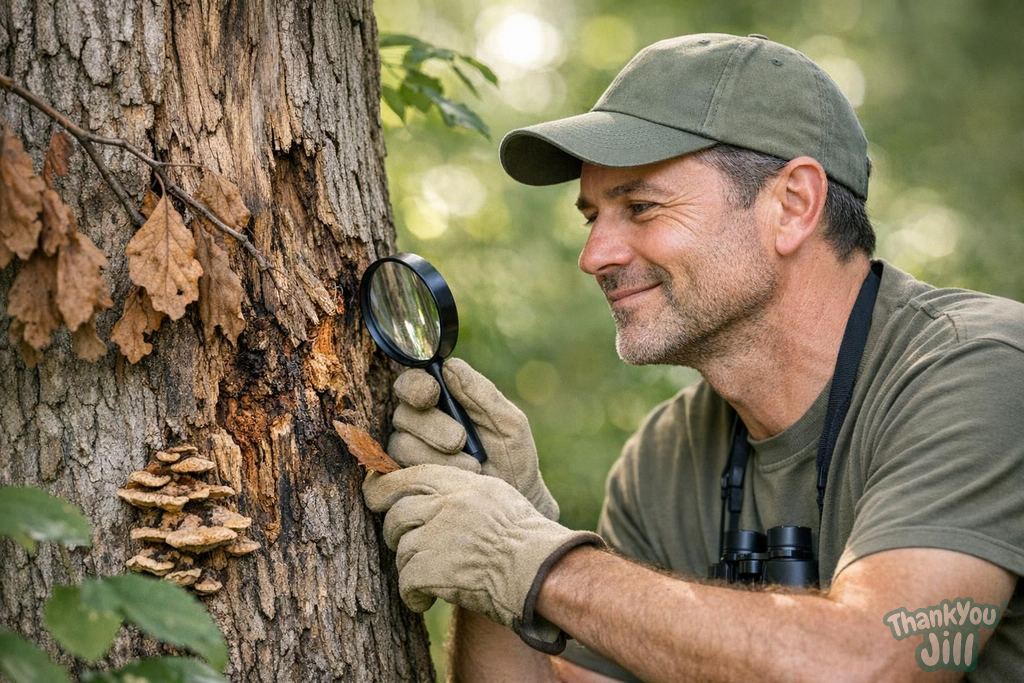
- Report street tree problems to your municipality: compacted and bare soil, bark damage, hanging branches, signs of rot at the base — every report to the Parks Department contributes to maintaining urban tree heritage. Many municipalities have online reporting portals. Use photographic documentation.
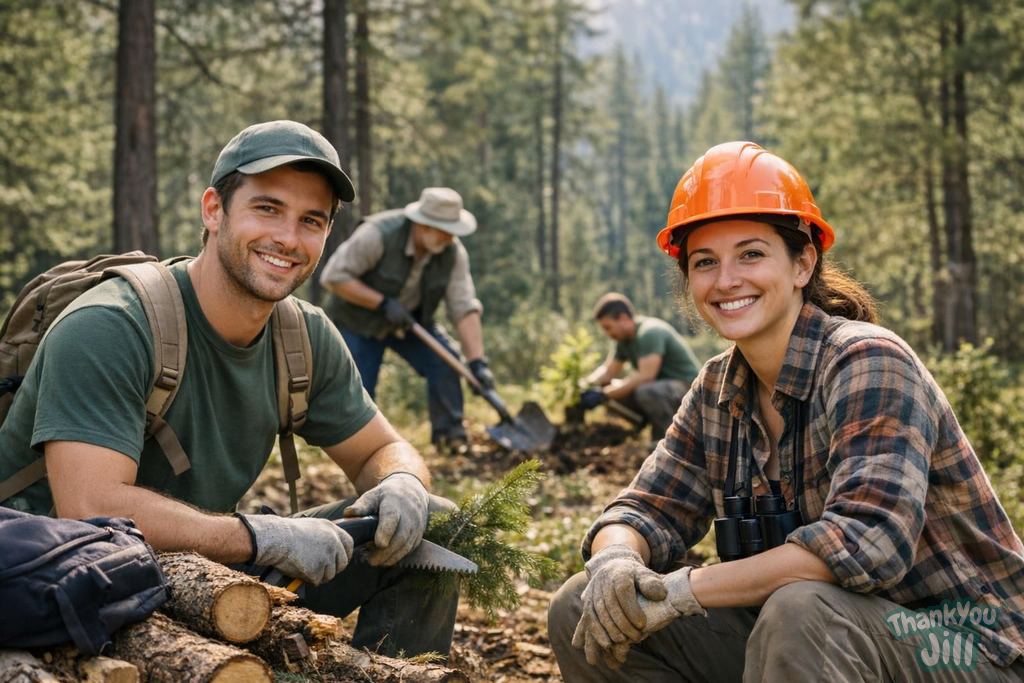
- Participate in urban tree adoption programs: some Italian municipalities (Milan, Turin, Rome) have programs that allow citizens to "adopt" a street tree — taking care of watering during dry summers in exchange for care and visibility. It's one of the most concrete acts of active citizenship for urban biodiversity.
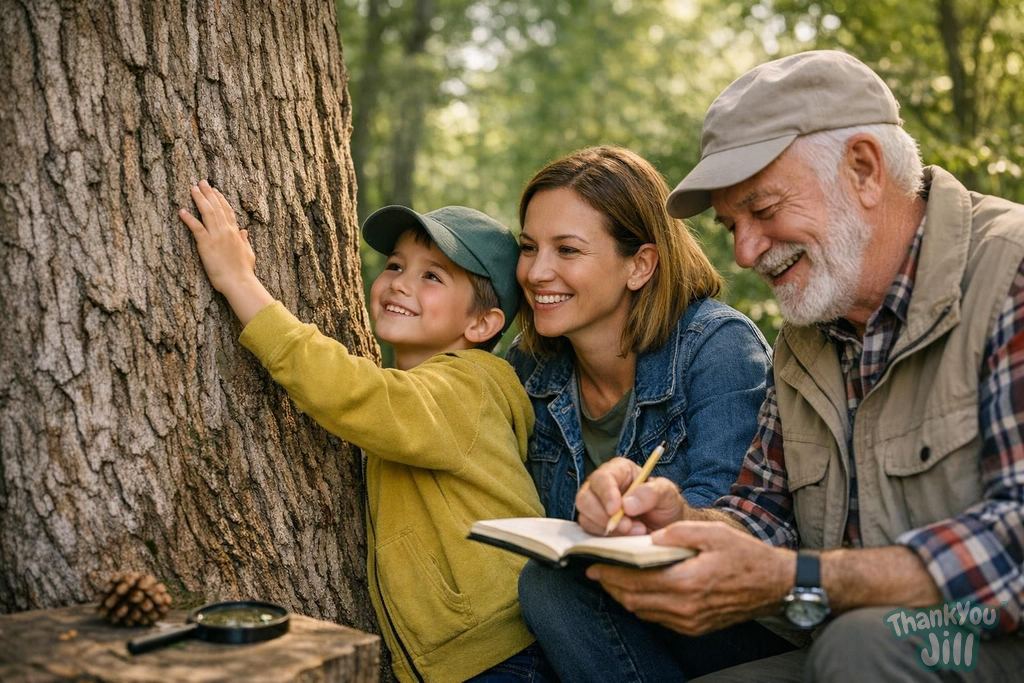
- With children — the mission of your neighborhood trees: walk with children through your neighborhood and count the trees: how many are there? What species? Which seem healthy, which are struggling? Create a map of your neighborhood's trees with notes on their health status. It's an urban citizen science activity that teaches botany, urban ecology, and civic responsibility all at once.
Urban trees are one of our most important collective investments for city health. In an increasingly warming climate, they are the natural air conditioners that no air conditioning unit can replace. Learning to see them as living beings that work for us — not as urban decoration — is the first step to treating them with the care they deserve.
Frequently Asked Questions
What are the main difficulties trees face in urban soils?
Trees in cities must contend with compacted soils with poor oxygenation, alkaline pH that blocks nutrient absorption, salinity from winter salt, and contamination from heavy metals and hydrocarbons — all factors that limit root growth and health.
How does the urban heat island affect tree health in cities?
The urban heat island increases soil temperature up to 60-70°C in summer, stressing shallow tree roots and reducing their survival capacity, especially for temperate species not adapted to hot climates.
What concrete actions can help protect urban trees?
To protect urban trees, it's important to avoid soil compaction around the trunk, not tie objects that damage bark, report damage to your municipality, participate in adoption programs, and engage the community in monitoring and care activities.
How much do urban trees contribute to improving air quality and microclimate?
Urban trees cool the air by 2-8°C through evapotranspiration, capture 1-2 kg of fine particulates per year, and absorb toxic gases, improving air quality and reducing the heat island effect in cities.
Latest News
Comments
No comments yet. Be the first!
Leave a comment