


 Italiano
 Français
 Deutsch
 Español
 Português
 Svenska
 Suomi
Suomi
Legal Protection of Monumental Trees
How They Are Registered and Protected by Law in Italy
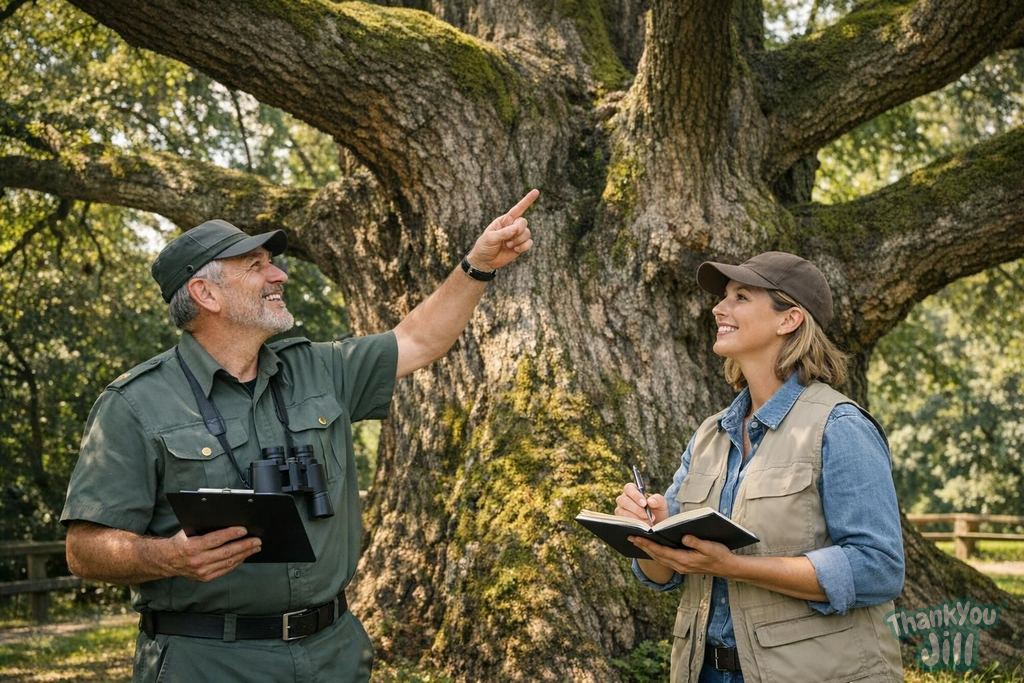
A thousand-year-old tree is a monument. Not made of stone — but of living wood, of cells still dividing, of sap still rising. Yet for centuries Italy has treated its oldest trees with far less care than it reserves for any modest building structure. Law 10 of 2013 changed this situation — at least on paper. Let's see how it works in practice.
Law 10/2013 and the National Register
The Law No. 10 of January 14, 2013 introduced into Italian law the concept of monumental tree as a landscape asset worthy of specific protection. The Ministerial Decree of October 23, 2014 defined its criteria: to be classified as monumental, a tree must meet at least one of the following: Biological criteria — significant age, exceptional dimensions (trunk circumference exceeding thresholds established for each species), particularly distinctive form. Ecological criteria — rarity of the species, habitat for protected species, valuable ecosystem. Historical, cultural, landscape, and religious criteria — documented links with historical events, local cultural traditions, elements of distinctive landscape character. The National Register, periodically updated by the Ministry of Agricultural Policies, currently lists over 3,500 registered specimens. The registration procedure: municipalities conduct a census of trees in their territory, complete the standardized technical form, propose registration to the Region which coordinates data collection and transmits it to the Ministry. A tree registered in the National Register is subject to absolute protection: it cannot be felled, drastically pruned, or undergo work on surrounding soil without specific ministerial authorization.
What It Means to Be "Monumental": Rights and Protections
A monumental tree enjoys protection under the Code of Cultural and Landscape Heritage (Legislative Decree 42/2004). The practical consequences: Prohibition on felling without ministerial authorization — unauthorized felling is a criminal offense (Article 733 of the penal code, destruction of natural beauty). Prohibition on interventions that compromise its health — excavation, soil compaction, application of toxic substances within the root zone. Obligation to maintain — the owner (public or private) is required to keep the tree in safe and healthy condition, using qualified professionals. Public notification — many municipalities install explanatory plaques on monumental trees, making them visible and accessible to the public. Public accessibility — monumental trees on private property may be visited by the public, at least periodically, upon motivated request to the competent authorities.
The Limits of Protection: Between Law and Reality
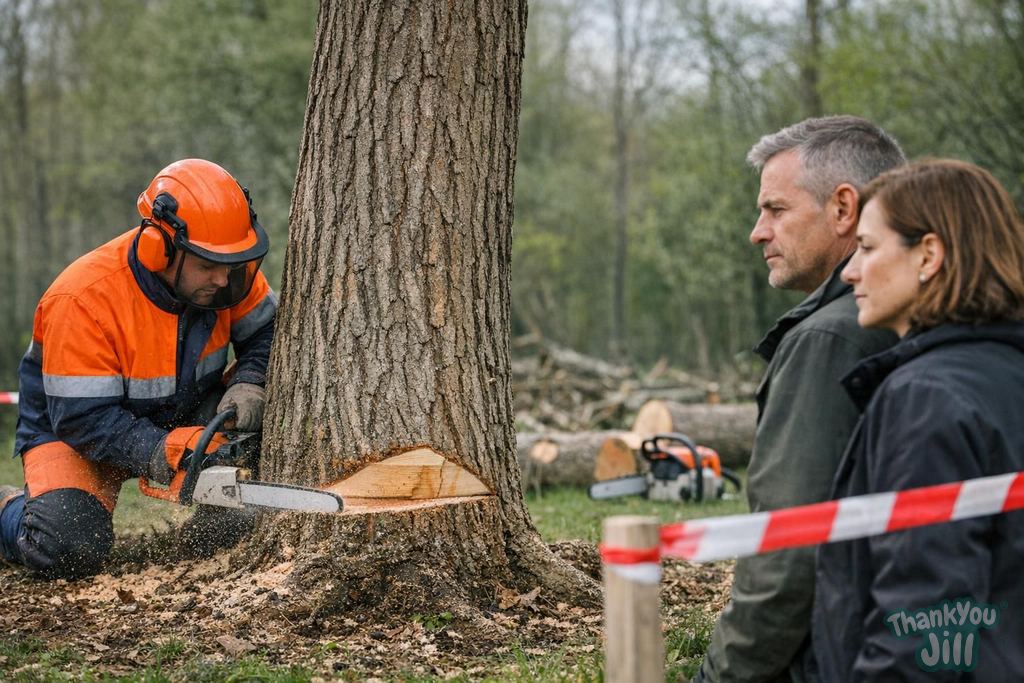
The legal protection of monumental trees has significant limitations in its practical application. Incomplete census: many municipalities have not yet completed the census of their most important specimens — it is estimated that only a fraction of trees that would meet the criteria have been entered in the register. Lack of resources: specialized maintenance (certified arborists, phytosanitary diagnoses, stability assessments) requires resources that many municipalities lack, especially for trees on private property. Conflict with safety: the frequent invocation of "risk of falling" as justification for felling monumental trees is sometimes used instrumentally — an ancient tree always presents some structural risk, but this does not necessarily mean it should be felled rather than cared for. Illegal activity: illegal felling of monumental trees occurs every year in Italy, often at night, with penalties often trivial compared to the irreversible cultural damage.
How to Contribute to the Census
Any citizen can report a potentially monumental tree to their municipality. The report should include: precise location (address or GPS coordinates), photographs (trunk, canopy, bark, any damage), measurement of trunk circumference at 1.30 m from the ground, species (if identifiable), any historical or cultural information about the tree (local traditions, links with documented historical events). The report initiates the evaluation procedure by the Regional Forest Services.

A tree that is 800 years old has lived through more history than any building in our historic center. Yet if a medieval wall collapses, half the town mobilizes; if a five-hundred-year-old chestnut is felled, almost no one knows about it. The law says it must be protected. Culture says we should want to protect it. These two things don't always align.
How to Use the National Register and Participate in Protection
- Consult the Register online: the National Register of Monumental Trees is freely accessible at www.politicheagricole.it in the "Rural Development > Monumental Trees" section. You can filter by Region, Municipality, and species. Each entry includes photographs, biometric data, historical notes, and GPS coordinates. Download the information for the trees nearest you before visiting them.
- How to report an unregistered tree: prepare a form with the required information (location, measurements, photographs, species, historical information). Send it to your municipality (Environment or Parks Department) via certified email or registered mail. Include a formal request for evaluation for registration in the Register. The procedure may take months or years, but every documented report is valuable.
- Participate in FAI Days: the FAI (Italian Environmental Fund) organizes the FAI Spring Days (March) and Autumn Days (October) each year with extraordinary openings of historic parks, gardens, and sites with monumental trees normally not accessible. It's the best opportunity to discover Italy's monumental tree heritage.
- Report suspicious felling: if you witness or learn of the felling of an ancient tree without authorization, report it immediately to the Forest Carabinieri (who have specific jurisdiction over environmental crimes) and the Municipality's Environmental Office. The crime must be reported promptly while evidence is still available.
- With children — visiting a monumental tree: the Chestnut of One Hundred Horses on Mount Etna, the Wild Olive of Luras in Sardinia, the monumental oaks of the Gargano — every Italian region has its monumental trees within reach. Organize a trip specifically to visit one. The visual impact of a living being 2,000 years old is something that stays in a child's memory forever.
The protection of Italy's monumental trees depends largely on citizens' knowledge and interest. The laws exist. The resources to enforce them often don't. But the report of a curious citizen, the denunciation of illegal felling, the visit that brings visibility to a forgotten specimen — all these actions build, piece by piece, a culture of respect for our living monuments.
Frequently Asked Questions
What criteria must a tree meet to be classified as monumental under Italian law?
A tree is classified as monumental if it meets at least one of the biological criteria (age, dimensions, form), ecological criteria (rarity, protected habitats, valuable ecosystem) or historical/cultural criteria (documented links with historical events or local traditions).
What happens if a monumental tree is felled without authorization?
Unauthorized felling of a monumental tree is a criminal offense that can result in penalties under Article 733 of the penal code, concerning destruction of natural beauty. It is therefore prohibited without specific ministerial permission.
How can a citizen contribute to the census of new monumental trees?
A citizen can report a potentially monumental tree to their municipality by providing precise location, photographs, trunk measurements, species, and historical or cultural information. The report initiates evaluation by the Regional Forest Services.
What are the practical limits of legal protection for monumental trees?
Limits include incomplete censuses, insufficient resources for specialized maintenance, conflicts with public safety, and illegal felling often with inadequate penalties, which compromise effective protection of monumental trees.

Latest News




Comments
No comments yet. Be the first!
Leave a comment