


 Italiano
 Français
 Deutsch
 Español
 Português
 Svenska
 Suomi
Suomi
Cutting Down a Tree: When It's Legal and When It's a Crime
The complete guide to Italian regulations on tree removal
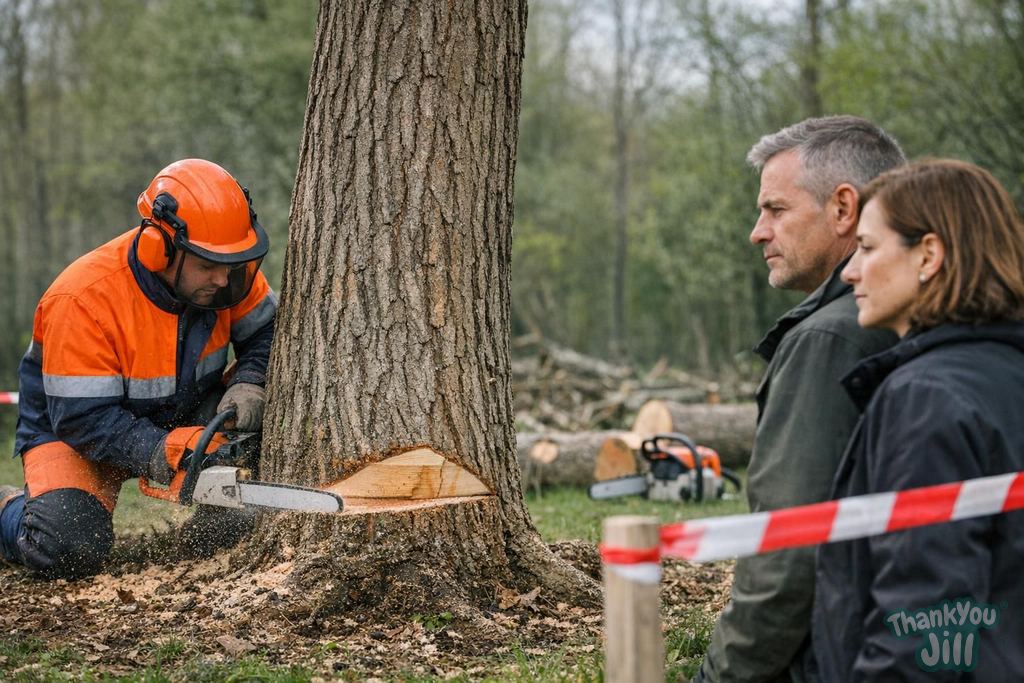
Every year in Italy, thousands of people cut down trees on their own land or gardens, convinced they have every right to do so — only to discover, sometimes too late, that they've committed a crime. Tree regulations are complex, layered across national, regional, and municipal laws, and not always easy to understand. A concise yet practical guide is essential for anyone who wants to manage the vegetation on their property legally.
The basic principle: private property rights have limits
Property rights are not absolute when it comes to trees. Trees can be subject to protection restrictions that limit the owner's right to cut them down, prune them drastically, or alter their surroundings. The main restrictions that can apply to a tree on private property are: Landscape protection order (Legislative Decree 42/2004): many Italian areas (coastal zones, mountain areas, watercourses, etc.) are subject to landscape protection. In these zones, any intervention that significantly alters the landscape — including tree removal — requires landscape authorization from the Municipality or the Heritage Authority. Hydrogeological protection order (Royal Decree 3267/1923): in areas subject to hydrogeological protection (hilly and mountainous terrain where tree cutting could cause erosion or landslides), forestry operations require authorization from the Regional Forestry Department. National Register of Monumental Trees: trees listed in the Register are absolutely protected — they cannot be removed without ministerial authorization. Municipal green space regulations: many Italian municipalities have adopted local regulations that extend protection to trees not on the national list, setting size thresholds beyond which removal requires authorization. These thresholds vary from municipality to municipality (typically: trunk diameter > 15-30 cm at 1.30 m from ground, or height > 5-8 m).
What to do before cutting down a tree on private property
The recommended procedure before cutting down any significant tree on private property is: Check if the area is subject to landscape or hydrogeological protection: the map of restrictions for your municipality can be consulted at the Municipal Technical Office or online through your Region's mapping portal. Check if the tree is in the Monumental Register: consult the Ministry website. Consult your Municipality's Green Space Regulations: ask the Public Green Office or Technical Office if there are local restrictions for your tree's species and size. Request the necessary authorization: if the tree falls under any restriction, submit an authorization request with photographs, measurements, and justification. Processing times vary from a few weeks to several months. In case of urgent safety concerns: if the tree poses immediate danger (overhanging branches over buildings or people, leaning trunk with imminent risk of falling), it's possible to act urgently while simultaneously notifying the Municipality. Documentation of the danger (photographs, technical assessment if available) is essential to justify the intervention without prior authorization.
Penalties for unauthorized tree removal
Penalties for illegal tree removal vary depending on the type of restriction violated. Monumental tree: criminal offense under Article 733 of the Criminal Code (destruction of natural beauty), with penalties up to one year imprisonment and/or fines. Landscape protection order: criminal penalty (Legislative Decree 42/2004 Article 181) with imprisonment from 6 months to 2 years if the work is of significant extent. Hydrogeological protection order: administrative penalty varying by region, often in the range of thousands or tens of thousands of euros. Municipal green space regulation: administrative penalty varying by municipality, typically from €500 to €5,000 per tree. In all cases, restoration may also be required — planting a number of replacement trees determined by the competent authority. Penalties apply even in cases of good faith: "I didn't know" is not a valid legal defense.

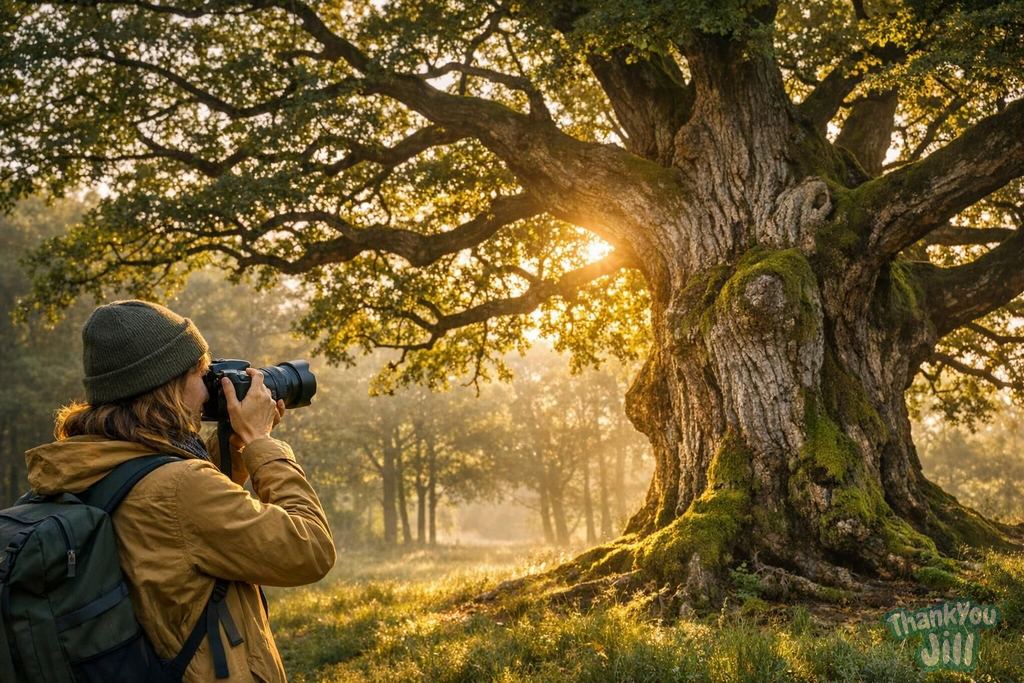
Owning a tree is not owning everything that tree is — the CO2 it has absorbed, the oxygen it has produced, the microclimate it has created, the beauty it has given the landscape. An ancient tree belongs a little to everyone. This is why the law has decided to place limits on the individual right to destroy it. It's not an invasion of private property: it's the recognition that some things belong to the community.
Practical guide: what to do (and not do) with trees on private property
- Before any significant intervention, consult your Municipality: even just a phone call to the Public Green Office or Technical Office can save you from fines and problems. Describe the tree (species, approximate size, location) and ask if there are any restrictions. Most municipal technicians are helpful and will respond within a few days.
- Always document your reason: if you remove a tree for safety reasons (even without restrictions), always document the danger with photographs before the work. This documentation can be invaluable if disputes arise later.
- For areas bordering forests or restricted zones: always ask first. The boundary line between unrestricted and restricted areas may not be visible on the ground — but it is legally significant.
- If you purchase a property with trees: before doing any work on vegetation, verify the restrictions in the area. Request a certificate of urban planning status from the competent office and verify the presence of landscape and forestry restrictions. It's a one-time check that protects you from future problems.
- For agricultural businesses: normal cultivation operations (maintenance pruning of olives, fruit trees, vineyards) are generally exempt from specific authorizations, unless they're in restricted zones. But removal of monumental trees or trees along watercourse margins may require specific authorizations even on agricultural properties.
Tree regulations are not bureaucratic obstacles for their own sake. They represent the legal system's attempt to protect common goods — the landscape, biodiversity, the collective memory embodied in ancient trees — from individual decisions that could damage them irreversibly. Understanding them is the best way to move confidently within your own rights and respect those of others.
Frequently Asked Questions
How can I tell if a tree on my land is subject to restrictions that prohibit its removal?
To verify if a tree is subject to restrictions, consult the landscape and hydrogeological protection maps available at your Municipality or online, check the National Register of Monumental Trees, and review your municipal green space regulations which indicate size thresholds and required authorizations.
When should I request authorization before cutting down a tree on private property?
You should always request authorization if the tree is subject to landscape or hydrogeological protection, is monumental, or exceeds the size thresholds set by municipal regulations, to avoid penalties and restoration obligations.
What happens if you cut down a protected tree without authorization?
Unauthorized removal can result in criminal or administrative penalties, ranging from fines to imprisonment depending on the restriction violated, plus an obligation to restore the area by planting replacement trees, even if the action was taken in good faith.
Is it better to act urgently on a dangerous tree without authorization?
In case of imminent danger, it's possible to act without prior authorization, but it's essential to document the risk with photographs and technical assessments and immediately notify the Municipality to justify the intervention and avoid penalties.
Latest News


Comments
No comments yet. Be the first!
Leave a comment