


 Italiano
 Français
 Deutsch
 Español
 Português
 Svenska
 Suomi
Suomi
Breathing
Simple techniques to reduce stress
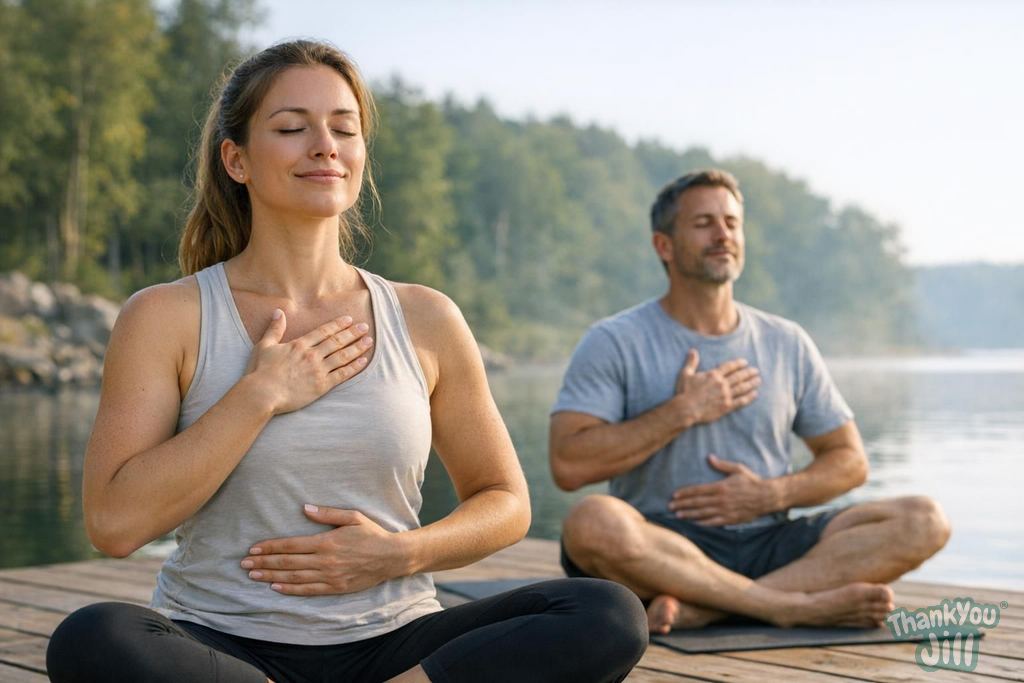
The autonomic nervous system regulates involuntary body functions: heart rate, blood pressure, digestion, stress response. It's divided into the sympathetic system (fight-or-flight) and parasympathetic system (rest-and-digest). Breathing is the only automatic system in your body that can be controlled consciously, and through this control you can directly influence your autonomic nervous system. Slow, deep breathing stimulates the vagus nerve, activates the parasympathetic system, reduces heart rate, lowers blood pressure, and decreases cortisol. This chain of cause and effect is physiologically documented and produces measurable effects within minutes.
Heart Rate Variability (HRV): the key mechanism
HRV (Heart Rate Variability) is the variation in time between one heartbeat and the next. High HRV indicates a flexible and reactive autonomic nervous system. Low HRV is associated with chronic stress, cardiovascular disease, anxiety, and depression. Slow, controlled breathing maximizes HRV: breathing at 5-6 breaths per minute (compared to the normal 15-20) produces maximum cardiac coherence. This is the physiological basis of techniques like Stephen Elliott's coherent breathing and the HeartMath protocol, used in sports medicine, cardiac rehabilitation, and as evidence-based intervention for anxiety.
Breathing techniques with the strongest evidence
4-7-8 Breathing (Andrew Weil): inhale for 4 seconds, hold for 7, exhale for 8. The long exhalation activates the parasympathetic system through the vagus nerve. Effective for falling asleep and reducing acute anxiety. Box breathing (square breathing, used by Navy SEALs): inhale for 4 seconds, hold for 4, exhale for 4, hold empty for 4. Repeat cycles for 4-5 minutes. Reduces cortisol and improves concentration in high-pressure situations. Systematically used in American special forces for panic management. 5.5 Breathing (cardiac coherence): inhale for 5.5 seconds, exhale for 5.5 seconds (5.5 breaths per minute). Produces the highest documented HRV. Practical protocol: 5 minutes, 3 times daily. Studied by the HeartMath Institute with evidence of stress and blood pressure reduction.
Diaphragmatic breathing: the foundation of everything
The diaphragm should expand downward during inhalation, pushing the abdomen outward, not the chest upward. Most stressed adults breathe "backwards" (chest high, abdomen still): this shallow chest breathing is both an effect and a cause of chronic stress. How to check your pattern: lie on your back, place one hand on your chest and one on your abdomen. Inhale: which hand moves? Ideally only the one on your abdomen. If only your chest moves: consciously practice abdominal breathing until it becomes automatic. This change alone, without other techniques, produces a measurable reduction in sympathetic activation.
The NSDR technique (Non-Sleep Deep Rest)
The NSDR protocol, popularized by Andrew Huberman (Stanford), combines controlled breathing with body scanning to produce a state of deep relaxation in 10-20 minutes without sleeping. Based on the Yoga Nidra (yogic sleep) tradition. Evidence: significant cortisol reduction, recovery similar to a short nap without sleep inertia (post-sleep drowsiness), improved learning capacity and muscle recovery. Huberman's NSDR guides are available free on YouTube and Spotify. Duration: 10-30 minutes. Particularly useful during lunch break or afternoon for energy recovery without sleeping.

You carry with you, at every moment, the most powerful and most economical tool to modulate your nervous system: your breath. Four seconds of inhalation, six of exhalation: in two minutes your parasympathetic system activates, cortisol drops, heart rate slows. You don't need to meditate, you don't need a studio: you just need to know it works and do it.
Morning breathing: 5-minute protocol
In the first 5 minutes after waking, before checking your phone: sit with your back straight and eyes closed. Two minutes of natural diaphragmatic breathing: place one hand on your chest and one on your abdomen. Your abdomen should move, not your chest. Three minutes of box breathing: 4 seconds in, 4 hold, 4 out, 4 hold. The rhythm is slow and controlled. At the end, notice the difference in the quality of your attention. This 5-minute morning routine activates your parasympathetic system at the start of the day instead of immediately going into sympathetic mode like checking notifications does.
Biofeedback and HRV: measuring your cardiac coherence
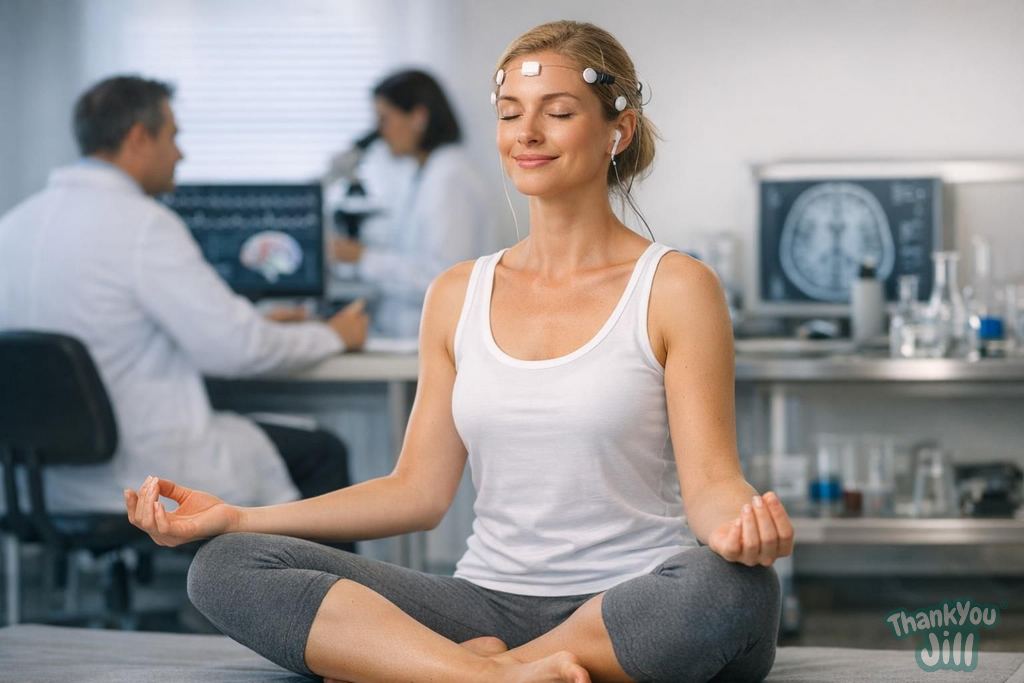
HRV biofeedback devices allow you to measure in real time the effect of breathing on your autonomic nervous system. Available tools: HeartMath's Inner Balance (ear sensor + app, around $100): the most used in clinics. Shows cardiac coherence in real time and guides optimal breathing. Polar H10 + Elite HRV app (chest strap, around $90): very accurate HRV measurement. Smartwatches with HRV (Apple Watch, Garmin, Whoop): less precise than dedicated tools but accessible. These tools provide objective feedback that reinforces practice and accelerates learning of optimal breathing.
Breathing and sleep: the most effective pre-sleep technique
Andrew Weil's 4-7-8 technique is specifically designed for falling asleep: inhale for 4 seconds, hold your breath for 7 seconds, exhale completely for 8 seconds. Long exhalation stimulates the vagus nerve more than inhalation: it activates the parasympathetic system. Weil recommends doing 4 cycles before bed. The physiological mechanism doesn't produce sedation but creates the physiological conditions for natural sleep onset. Useful as a non-pharmacological alternative to anxiolytics for situational insomnia, not for chronic insomnia which requires medical evaluation.
Frequently asked questions
What is the difference between diaphragmatic breathing and chest breathing in terms of stress management?
Diaphragmatic breathing expands the abdomen and activates the parasympathetic system, reducing stress. Chest breathing is shallow, involves only the chest, and is associated with a state of chronic stress, worsening the stress response.
How does the 4-7-8 breathing technique work to reduce anxiety and promote sleep?
The 4-7-8 technique involves inhaling for 4 seconds, holding for 7, and exhaling for 8. The long exhalation stimulates the vagus nerve, activating the parasympathetic system, which reduces anxiety and facilitates natural sleep onset without pharmaceutical sedation.
When is it worth using coherent breathing (5.5 breaths per minute) to improve health?
Coherent breathing at 5.5 breaths per minute maximizes heart rate variability (HRV), improving the flexibility of your autonomic nervous system. It's useful for reducing stress, anxiety, and blood pressure, recommended 5 minutes, 3 times daily.
How can you measure the effectiveness of breathing techniques on the autonomic nervous system?
Effectiveness is measured using HRV biofeedback devices like Inner Balance or Polar H10, which show cardiac coherence in real time. These tools help optimize breathing and objectively monitor stress reduction.
Latest News




Comments
No comments yet. Be the first!
Leave a comment