


 Italiano
 Français
 Deutsch
 Español
 Português
 Svenska
 Suomi
Suomi
Yoga
Physical and Mental Benefits
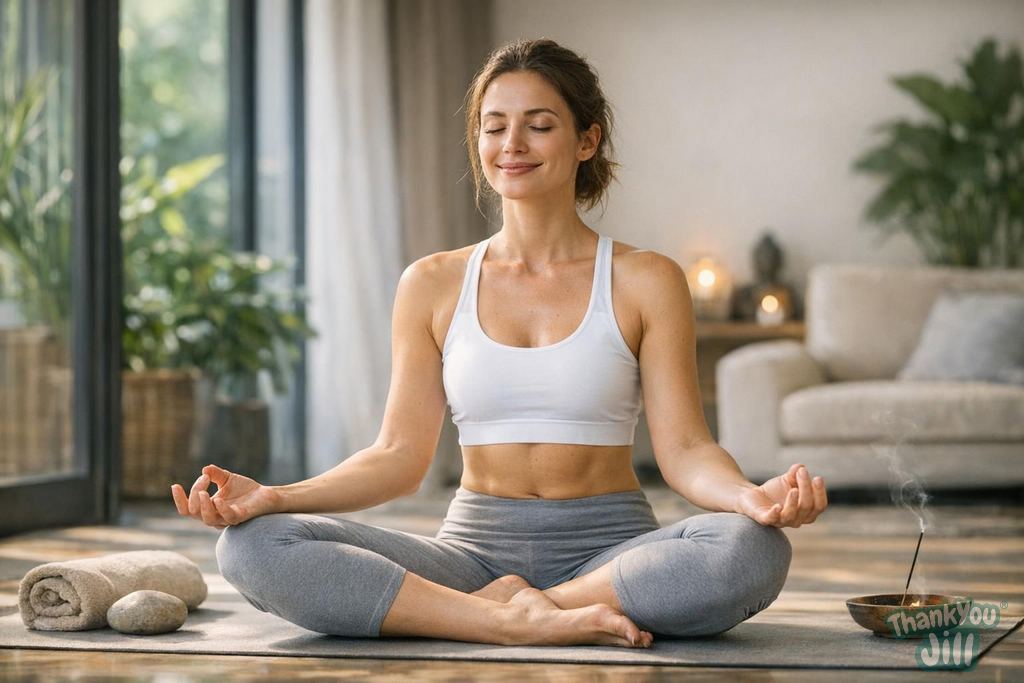
Yoga is a philosophical and practical system originating in ancient India, with the earliest written records found in Patanjali's Yoga Sutras (circa 400 CE). In its modern Western form, yoga is predominantly Hatha yoga: the practice of physical postures (asanas) combined with breathing techniques (pranayama) and, in some traditions, meditative practices. The number of yoga practitioners worldwide has grown from roughly 20 million in the 1990s to over 300 million today. In Italy, approximately 5 million people practice yoga. Scientific research on yoga has accelerated dramatically: there are now over 7,000 studies published on PubMed examining yoga's effects on various health conditions.
The Physical Benefits of Yoga: The Strongest Evidence
Flexibility and mobility: the most intuitive and well-documented benefits. Comparative studies show that 8-12 weeks of yoga produce significant improvements in hamstring, shoulder, and spinal flexibility. More notably, improvements extend to functional mobility (the ability to move with control through your full range of motion) beyond passive flexibility alone. Strength: more active yoga styles (Vinyasa, Ashtanga, Power yoga) produce strength gains comparable to light resistance training, especially for core strength and upper body strength. Balance and proprioception: yoga significantly improves both static and dynamic balance and proprioception (your body's sense of position in space). This reduces fall risk in older adults (meta-analysis by Ni et al., 2014). Blood pressure: a 2014 meta-analysis (Hagins et al.) of 17 RCTs shows an average reduction of 4.17 mmHg in systolic pressure with regular yoga practice. Chronic pain: moderate evidence of effectiveness for chronic lower back pain, osteoarthritis, fibromyalgia, and migraines.
The Mental Benefits of Yoga: Anxiety, Depression, and Wellbeing
A meta-analysis by Cramer et al. (2013, Depression and Anxiety) of 12 RCTs with 619 participants found that yoga produced significant reductions in anxiety and depression symptoms. The effect was comparable to other mind-body interventions like mindfulness meditation and superior to no treatment. The proposed mechanism: a combination of reduced cortisol, increased GABA (an inhibitory neurotransmitter that decreases in anxiety), increased oxytocin (in group classes with a social component), and a meditative component that reduces rumination. A study by Streeter et al. (2010, Journal of Alternative and Complementary Medicine) using magnetic resonance spectroscopy showed that 12 weeks of yoga increased thalamic GABA levels by 27%—an effect similar to certain anti-anxiety medications but without side effects. Yoga and PTSD: emerging (though still preliminary) evidence suggests yoga may reduce post-traumatic stress disorder symptoms, likely through autonomic nervous system regulation and increased body awareness.
Yoga Styles: Which One Is Right for You?
There is no single yoga: styles vary enormously in intensity, approach, and goals. Hatha yoga: the general term for physical yoga. Typically slow-paced with sustained postures. Ideal for beginners. Vinyasa: a continuous flow of postures synchronized with breath. More dynamic and cardiovascularly demanding. Ashtanga: a fixed sequence of progressively more challenging postures. Structured, rigorous, and physically demanding. Yin yoga: postures held for 3-5 minutes or longer, focusing on deep connective tissues (fascia, ligaments). Perfect for deep flexibility and recovery. Iyengar: emphasis on precise alignment using props (blocks, straps, bolsters). Excellent for those with specific physical concerns. Restorative yoga: fully supported postures held for 5-20 minutes. Focuses on deep relaxation and parasympathetic activation. Bikram/Hot yoga: a fixed sequence in a heated environment (104°F). Effective but controversial regarding safety in high-temperature settings. Yoga nidra (non-asana): deep meditation in a supine position. For relaxation and sleep.
Getting Started with Yoga: Practical Tips
For absolute beginners: start with a beginner's class at a studio (preferable to online initially—your instructor's feedback on alignment and posture prevents injury), find a Yoga Alliance-certified teacher (200 hours RYT is the basic level; 500 hours is more advanced), inform your instructor of any physical issues (knee problems, back issues, blood pressure concerns) before class begins, wear comfortable clothing and bring a mat (many studios provide loaner mats), and don't compare yourself to others—yoga is an individual practice without competition. If you prefer to start online: YouTube has countless free classes. Yoga with Adriene is the most popular English-language channel with dozens of beginner classes. For other languages, search for beginner yoga classes on YouTube to find instructors in your language. The Insight Timer app also offers many guided yoga classes. Optimal frequency for benefits: 2-3 sessions per week of 45-60 minutes. Consistency matters more than frequency: one session per week for a year produces more benefit than five sessions per week for a month.

Yoga isn't for flexible people—it's for those who want to become flexible. It's not for people with spare time—it's for those who know that 45 minutes of practice transforms the quality of the rest of your day. It's not mysticism—it's 5,000 years of practical science about the body and mind, now confirmed by modern neuroimaging. Your mat can wait. Your back can't.
Yoga for seniors: specific benefits and modifications
Yoga is particularly well-suited for older adults because of its specific benefits in fall prevention (improved balance), flexibility (reduced joint stiffness), bone density (bodyweight exercise stimulates bone remodeling), cognitive health (the mindfulness and concentration component), and psychological well-being (reduced isolation through group classes, sense of competence and progress). Styles best suited for seniors: Chair yoga (all poses adapted for those who can't get down to the floor), Yin yoga (slow-paced, no jumping, focused on deep flexibility), and Hatha yoga for beginners with an instructor who's attentive to physical limitations. In Italy, many senior centers and municipal gyms offer yoga classes specifically designed for older adults, often subsidized or free.
Yoga and spirituality: finding your own balance
Yoga has spiritual roots in Hindu tradition and other Eastern philosophical traditions. In modern Western practice, yoga is primarily approached as a physical discipline and wellness practice, with the spiritual component varying depending on the teacher and tradition. You don't need to adopt any specific spiritual tradition to practice yoga: the scientific evidence for health benefits relates to the physical and mindfulness components, regardless of spiritual tradition. At the same time, many practitioners find value in yoga's meditative and philosophical dimensions that goes beyond physical benefits. Finding your balance: explore different teachers and styles in your first few weeks, choose an environment where you feel comfortable (whether more traditional or more secular), and don't feel obligated to adopt spiritual practices that don't resonate with you.
Yoga equipment: what you actually need
Wellness marketing has turned yoga into a multi-billion dollar industry. What you actually need: a non-slip mat (essential for safety: a decent quality mat costing €20–40 lasts for years), comfortable clothing that allows movement (not necessarily €100 technical leggings), and optionally two blocks (bolsters): useful for beginners to modify poses, available for €10–15. What you don't need: special shoes (yoga is practiced barefoot), brand-name clothing, a premium yoga app when YouTube is free, or any "optimization" gadgets for your practice. Minimum investment: €20–40 for a mat. Complete setup investment: €50–80 (mat plus two blocks). Everything else is marketing.
Frequently asked questions
What are the most noticeable physical benefits of regular yoga practice?
Regular yoga practice significantly improves flexibility, functional mobility, muscle strength especially in the core and arms, balance and proprioception, and also reduces the risk of falls in older adults.
How do you choose the yoga style that's right for your needs?
To choose the right style, consider your level and goals: Hatha yoga suits beginners, Vinyasa and Ashtanga for those seeking intensity, Yin yoga for deep flexibility, Iyengar for specific physical issues, and Restorative for deep relaxation.
How much does practice frequency affect the health benefits of yoga?
Consistency matters more than frequency: practicing yoga 2–3 times a week for 45–60 minutes delivers optimal benefits, but even one session a week over a year produces more positive effects than many sessions crammed into a short period.
What yoga modifications are recommended for seniors?
Seniors should favor gentle styles like Chair yoga, Yin yoga, and Hatha yoga for beginners with instructors who are attentive to physical limitations, to safely improve balance, flexibility, bone density, and psychological well-being.

Latest News




Comments
No comments yet. Be the first!
Leave a comment