

 English
 Italiano
 Français
 Deutsch
 Español
 Português
 Svenska
 Suomi
Suomi
Natural Home Fragrances: Essential Oils
Essential Oils
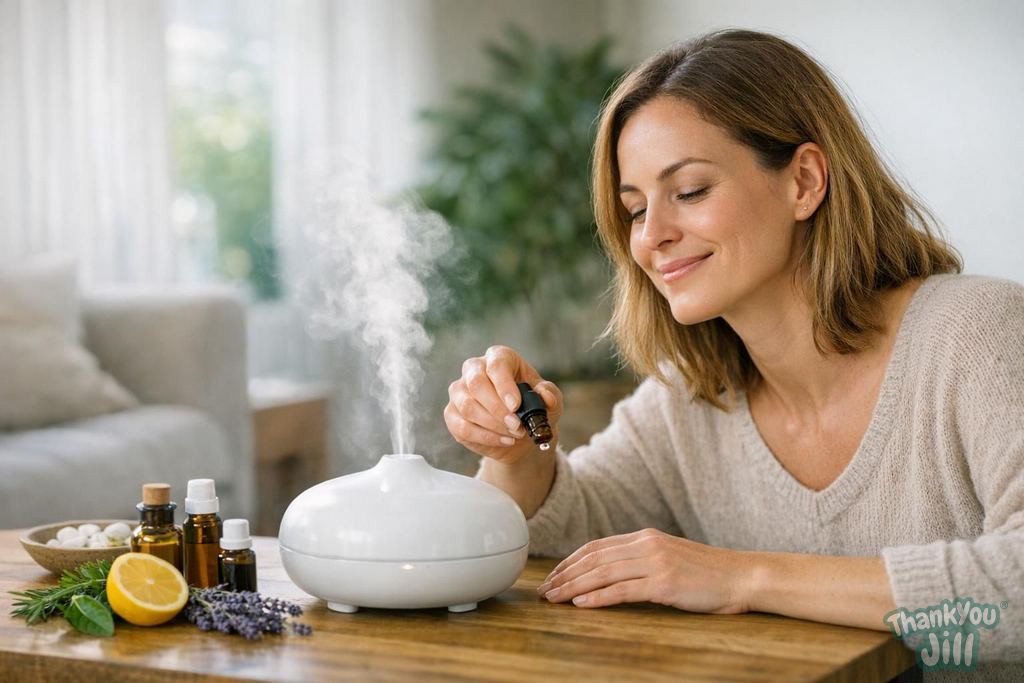
Home fragrances rank among the consumer products that contribute most to chemical pollution in indoor spaces. Synthetic scented candles, aerosol deodorizers, electric plug-ins, and reed diffusers with synthetic fragrances release phthalates (endocrine-disrupting plasticizers), aldehydes (respiratory irritants), acetals, benzene, and toluene into the air. The Environmental Working Group (EWG) tested hundreds of commercial home fragrance products and found concerning substances in nearly all of them. Pure essential oils—extracted directly from plants, roots, flowers, and resins through steam distillation or cold pressing—are their natural alternative.
What Essential Oils Are: Production and Quality
Essential oils are highly concentrated extracts of the aromatic and biologically active compounds found in plants. One liter of Damascene rose essential oil requires approximately 3–5 tons of rose petals (which is why it costs €5,000–10,000 per liter). The term "essential" doesn't indicate pharmaceutical purity; it means the oil contains the plant's aromatic essence. How to choose quality essential oils: look for the Latin botanical name (e.g., Lavandula angustifolia, not just "lavender"), geographic origin, extraction method (steam distillation or cold pressing for citrus oils—the best options), organic certification (COSMOS-standard or EU BIO), and quality marks from reputable brands (Farfalla, Erbavoglio, Pranarôm, Weleda—brands with verifiable quality standards). Be wary of: "fragrance oils" sold as "essential oils" at suspiciously low prices (a rose essential oil for €5 is almost certainly adulterated or synthetic), and undisclosed additives like isopropyl alcohol or vegetable oils.
Methods for Diffusing Essential Oils at Home
Ultrasonic diffuser (nebulizer): the most popular and recommended method. Uses ultrasonic vibrations to vaporize water mixed with oil drops into a fine mist. Doesn't heat the oil (preserving heat-sensitive properties), doesn't burn anything, and slightly humidifies the air. Cost: €20–80. Use 3–5 drops of oil per 100 ml of water. Run in 30–60 minute cycles to avoid overexposure. Pure nebulizing diffuser (cold-air diffuser): nebulizes pure oil without water. Much more potent and expensive. Used in professional aromatherapy. Aroma lamp: heats oil with a candle beneath a water basin. Heats the oil: some volatile molecules deteriorate with heat. More economical but less precise. Never leave unattended. Spray bottle: 100 ml water + 10–15 drops essential oil + 1 tablespoon 95% ethanol (to emulsify oil with water). Spray into the air or on fabrics. Quick and customizable. Diffusion on natural objects: a few drops of oil on a wooden stick, bamboo rod, or sea salt in a jar (absorbs and gradually releases the aroma). Zero energy consumption methods.
Essential Oils with the Most Documented Benefits
Lavender (Lavandula angustifolia): the most studied oil. Evidence shows anxiety reduction, improved sleep quality, and lowered blood pressure. A controlled study (Goel et al., 2013) demonstrated improved sleep quality with lavender inhalation. Used in many British and German hospitals as a complementary therapy. Peppermint (Mentha x piperita): energizing effect, improves concentration, reduces tension headaches when diluted in carrier oil and applied to the temples. A 2016 study showed improved cognitive function in subjects exposed to peppermint aroma. Tea tree (Melaleuca alternifolia): the most potent antimicrobial among commonly used essential oils. Proven effective against Staphylococcus, E. coli, and Candida albicans. Used in disinfectant and antifungal formulations. Eucalyptus (Eucalyptus globulus): decongestant for the respiratory tract. Its main component, 1,8-cineole, is a mild mucolytic and bronchodilator. Used in many cold remedies. Bergamot (Citrus bergamia, from Calabria): one of the most promising for anxiety reduction. A study by Kim et al. (2011) showed reduced preoperative anxiety with bergamot inhalation. Fresh, citrusy scent.
Safety Guidelines for Using Essential Oils
Essential oils are highly concentrated: incorrect dosing can cause irritation. Fundamental safety rules: never apply pure essential oils directly to skin (except lavender and tea tree in small amounts on non-sensitive skin). Always dilute in a carrier oil (jojoba, almond, coconut) at 2–5% concentration before topical use. Children under 3 years: avoid diffusing eucalyptus, peppermint, or camphor in the air (they can inhibit breathing in young children). Children 3–10 years: lavender and sweet orange are safest. Pregnancy: some oils are contraindicated during pregnancy (sage, thyme in high doses, wintergreen, cinnamon). Consult an aromatherapist or doctor before use in pregnancy. Pets: cats and dogs are far more sensitive to essential oils than humans. Diffusing tea tree, eucalyptus, melaleuca, or lemon can be toxic to cats. Use diffusers in separate rooms from animals or in greatly reduced amounts. Photosensitivity: citrus oils (lemon, bergamot, grapefruit) are photosensitizing—don't apply to skin before sun exposure.

That plug-in that smells of ocean breeze or pine forest contains nothing from the ocean or forest—just synthetic aldehydes and phthalates. The lavender in your diffuser comes from real flowers, distilled from real plants. A 10 ml bottle of organic lavender from a quality producer costs €5–8 and lasts for months. The plug-in costs more, lasts three weeks, and pollutes your home's air. The choice is simple, once you know the facts.
Aromatic blend recipes for every time of day
Morning (energizing): 3 drops bergamot + 2 drops peppermint + 2 drops sweet orange. Use in an ultrasonic diffuser with 100 ml water. Afternoon (focus): 3 drops rosemary + 2 drops lemon + 2 drops peppermint. Use in your workspace to boost concentration. Evening (relaxing): 4 drops lavender + 2 drops Roman chamomile + 1 drop vetiver. Before bed: diffuse for 30 minutes in your bedroom, then turn off the diffuser. Winter (warming and antimicrobial): 2 drops clove + 3 drops sweet orange + 2 drops cinnamon bark (not leaf—gentler) + 1 drop ginger. Smells like the holidays and protects against seasonal infections. Summer (refreshing): 4 drops peppermint + 3 drops eucalyptus + 2 drops lime. Fresh effect without air conditioning.
How to make a natural candle with beeswax
Beeswax is the natural alternative to paraffin candles (petroleum derivative that releases benzene and toluene when burned). Beeswax candles emit negative ions that attract particles in the air (modest but real benefit), release no toxins, and burn much slower than paraffin (lasting 2–3 times longer). Recipe for a beeswax candle with essential oils: 200 g beeswax flakes + 1 tablespoon coconut oil (to improve adhesion to essential oils) + 15–20 drops essential oil (lavender, vanilla, sandalwood). Melt the wax in a double boiler at 70°C, add coconut oil, cool to 60°C before adding essential oils (above 60°C aromatic molecules evaporate), pour into mold with wick centered. Let solidify for 24 hours before lighting. Cost: about €3–5 per 200 g candle versus €15–30 for equivalent commercial natural candles.
Essential oils in the home: practical everyday uses
Natural mosquito repellent: 10 drops citronella + 5 drops eucalyptus + 5 drops lavender in 100 ml water with 1 tablespoon alcohol. Spray on exposed skin and around the room. Proven effective against Aedes aegypti (tiger mosquito) in comparative studies. Shoe deodorizer: 2–3 drops tea tree on a cotton pad placed in shoes overnight. Antibacterial against odor-causing bacteria. Natural moth repellent: red cedarwood (Juniperus virginiana) or lavender as a wardrobe repellent. Mothballs (paradichlorobenzene: probable carcinogen per IARC) can be replaced with sachets of dried herbs (lavender, rosemary, cedarwood) with a few drops of essential oil. Kitchen odor diffuser: after cooking fish or strong-smelling dishes, diffuse 5 drops lemon or orange for 20 minutes. Removes odors instead of masking them. Fabric spray: 10 drops lavender + 10 drops eucalyptus in 200 ml water. Spray on pillows, blankets, curtains. Freshens and sanitizes fabrics without washing.
Frequently asked questions
What are the advantages of essential oils over artificial air fresheners?
Pure essential oils are natural and don't release toxic substances like phthalates and aldehydes found in synthetic air fresheners. They offer documented benefits for mood and wellbeing, and don't pollute indoor air the way artificial products do.
How do I choose high-quality essential oils for home use?
To choose quality essential oils, check the Latin botanical name, geographic origin, extraction method (steam distillation or cold pressing), and organic certification. Be wary of oils at bargain prices or with undisclosed additives.
What are the safest and most effective methods for diffusing essential oils at home?
The ultrasonic diffuser is the most recommended method because it vaporizes the oil without heat, preserving its properties. Other methods include pure nebulizing diffusers, aroma lamps, spray diffusers, and diffusion on natural objects, each with different levels of potency and safety.
What precautions should I take when using essential oils with children and pets?
Avoid oils like eucalyptus and peppermint with children under 3 years old. For pets, especially cats, limit use of oils like tea tree and eucalyptus by diffusing them in separate rooms or in low amounts to prevent toxicity.


Latest News




Comments
No comments yet. Be the first!
Leave a comment