


 Italiano
 Français
 Deutsch
 Español
 Português
 Svenska
 Suomi
Suomi
Sustainable Birthday Parties
Zero-waste ideas
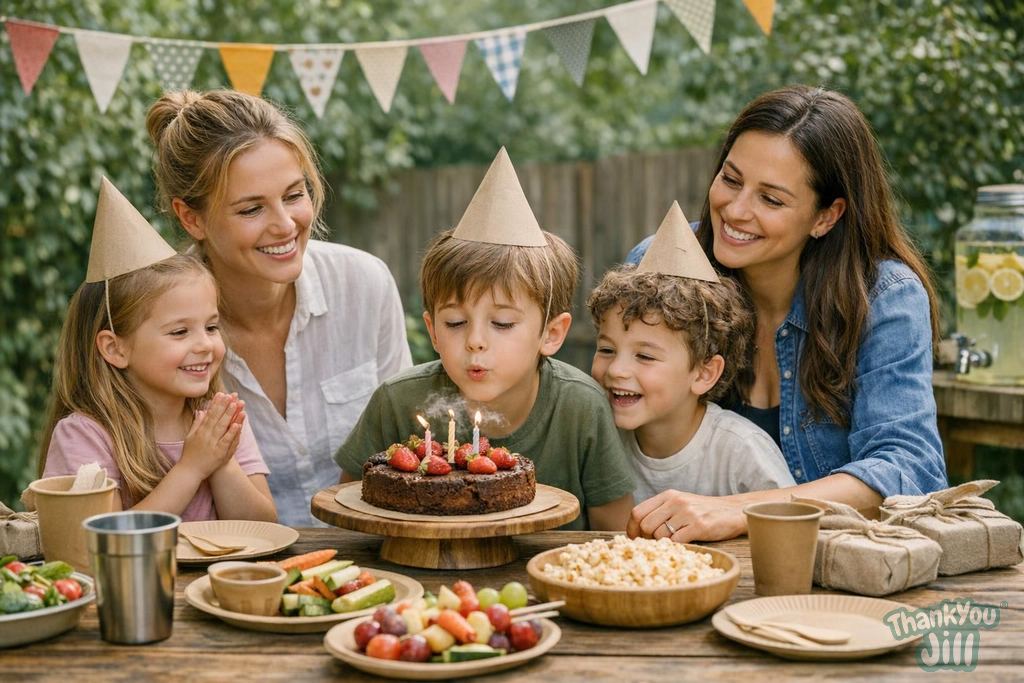
Children's birthday parties have become increasingly standardized around disposable products over the past few decades: plastic plates, cups and cutlery, balloons, plastic banners, plastic gift bags, cheap party favors with a short lifespan. The average result of a party for 15 children: 40–60 pieces of single-use plastic, 3–5 kg of waste, dozens of euros spent on decorations that end up in the trash before evening, and sometimes children who don't even remember what was in their gift bag. A sustainable party isn't a sad party—it's one where choices are made more thoughtfully, often producing richer and more memorable experiences.
Sustainable decorations: beautiful without disposables
Balloons: replace them with tissue paper pompoms (made in 10 minutes with colored tissue paper and string), paper lanterns, or fabric bunting garlands (reusable for years). If you still want balloons: choose natural latex balloons (biodegradable in 6–12 months) instead of foil/mylar (plastic/aluminum: non-biodegradable). Never release balloons into the air (they become environmental litter and kill birds that ingest them). Banners and decorations: kraft paper, tissue paper, recycled cardboard, old postcards, reusable fabrics and ribbons. A handwritten "Happy Birthday" on a sheet of kraft paper is far warmer and more personal than a store-bought plastic banner. Centerpieces: vases with seasonal flowers from the garden or market, baskets with colorful fruit, salt crystals, open books on topics the birthday child loves. Small potted plants as decorations (which children then take home as keepsakes).
Tableware: goodbye to single-use plastic
Reusable plates and cups: the simplest and most economical option in the long run. Use regular household plates even for parties, or buy an affordable set of ceramic or glass plates and cups (Ikea, thrift stores) dedicated to celebrations. They go in the dishwasher. Compostable plates: if you don't have enough reusable plates, choose plates made from certified compostable cardboard (not plastic plates with a cardboard coating, but pure cardboard or bamboo). Don't use "bioplastic" plates unless you know your local waste management properly handles compostable bioplastics. Tableware rental: many community kitchens, neighborhood associations, and specialty shops rent party tableware sets. Cost: €30–80 for a party of 15–20 people. Zero waste. Bottles and pitchers instead of single-use bottles: water in a pitcher, juices in a carafe, drinks in refillable glass bottles. Eliminate all single-use plastic bottles.
Party food: local, seasonal, with less packaging
Homemade cake: instead of a packaged cake full of preservatives and packaging, bake the cake together with the birthday child. It's the most beautiful party preparation activity and the best-tasting cake there is. Children who participate in the preparation remember the process more than the product. Seasonal finger food: washed seasonal fruit arranged on a platter, vegetables with hummus, homemade pizzettes with local ingredients: cheaper, more nutritious, and more appealing than typical mass-produced "party food." Edible cake decorations: edible flowers (violets, untreated roses, nasturtiums), fresh fruit, melted dark chocolate, crushed nuts: zero plastic, absolutely beautiful. Edible party favors instead of plastic gadgets: small cloth or kraft paper bags with homemade cookies, chocolates, dark chocolate bars: the alternative to plastic bags filled with plastic gadgets that break the next day.

Children don't remember how many balloons were at their party. They remember whether they had fun, whether they did something special, whether the food was good, whether they felt loved. A birthday party with tissue paper decorations made together, a homemade cake, and a nature activity is worth a thousand times more than the perfect Instagram party. And it produces zero waste.
Activities as alternatives to "party games"
Instead of bags filled with plastic gadgets and disposable inflatable games, consider: treasure hunt in nature: if the party is in a park or garden. More fun than any structured activity. Painting workshop with watercolors or tempera: each child takes home their own artwork. Cost: paper + paints (reusable materials). Cooking workshop: cookies, pizza, ice cream with simple recipes. Children who cook learn, collaborate, get happily messy, and take home something delicious. Planting a seed: each guest plants their own seed in a small terracotta pot to take home as a keepsake. Cost: very little. Educational and memorial value: very high. Screening of an animated short film outdoors: a sheet, a projector, a summer evening in the garden. A unique experience. Bird feeder building workshop with recycled materials (recovered plastic bottles, twigs): each child takes home their own bird feeder to hang on their balcony.
Sustainable gifts: an alternative to birthday consumerism
Children's birthday gifts too often follow the pattern of "plastic gift that breaks within a week." How to suggest alternatives to invited parents (gracefully, not preachy): shared wish list (via the parent group WhatsApp): helps avoid duplicates and guides toward quality gifts. Experiences instead of objects: a ticket to a theater show, a horseback riding or swimming lesson, a museum or planetarium visit. Higher value, zero plastic. Books: always welcome if chosen carefully for age and interests. No mixed packages with booklets plus plastic gadgets. Quality games: Lego (reusable for years), educational board games, science kits. Contributions toward a collective experience: instead of many individual gifts, parents contribute to a special experience (trip, class, activity) chosen together with the birthday child.
Parties in nature: the best sustainable option
A birthday party in nature (park, forest, farm, beach) eliminates many of the problems of indoor parties at the root: no decorations needed (nature is already beautiful), less stress organizing spaces, spontaneous activities that emerge from the environment (collecting leaves, building shelters, natural treasure hunts), more physical movement, fewer screens, more direct social interaction. Educational farms (agritourism) throughout Italy organize birthday parties on the farm: they often include activities with animals, cheese-making, grape harvesting. Memorable experiences with minimal environmental impact. Natural parks and reserves: many national and regional parks organize guided activities for groups of children. Contact the visitor center of the park nearest you for available options.
Frequently Asked Questions
How can I replace plastic balloons with sustainable decorations for a birthday party?
You can use tissue paper pompoms, paper lanterns, or reusable fabric bunting garlands. If you choose balloons, prefer natural latex ones that are biodegradable and never release them into the air to prevent environmental damage.
What are eco-friendly alternatives to disposable plates and cups for birthday parties?
Use reusable household plates and cups or sets made from ceramic or glass. If unavailable, choose plates made from certified compostable pure cardboard or bamboo, avoiding bioplastics unless your local waste management properly handles compostable bioplastics.
How can I organize fun and sustainable activities for children during a birthday party?
Choose activities like nature treasure hunts, painting or cooking workshops, planting seeds in small pots, outdoor film screenings, or building bird feeders from recycled materials—these are educational, low-impact, and create lasting memories.
What are sustainable gift options for birthday parties that avoid consumerism and plastic?
Prefer experiential gifts like theater tickets or classes, carefully chosen books, quality reusable games, and collective contributions toward special activities, avoiding disposable plastic gadgets and low-value gifts.

Latest News




Comments
No comments yet. Be the first!
Leave a comment