


 Italiano
 Français
 Deutsch
 Español
 Português
 Svenska
 Suomi
Suomi
Plastic Bottles: Which Ones Are Really Safe?
PET, BPA, and Symbols: How to Choose Without Risk
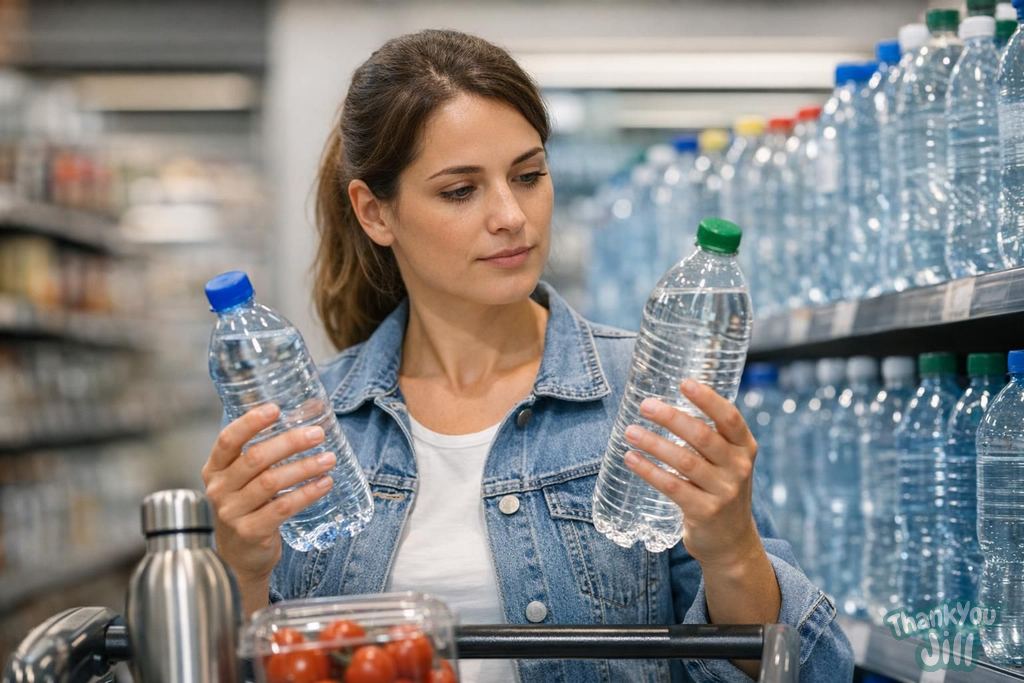
In summer, you sweat. Even when you're sitting still. Even when you think you're not sweating. Your body loses water and salts continuously to maintain its temperature. And if you don't replenish correctly, you're heading for problems that could ruin your summer.
Drinking more isn't enough. You need to drink smarter. The right water, at the right time, in the right amount. Otherwise you risk cramps, heat stroke, extreme fatigue. And to think that a few simple adjustments would prevent all of this.
Why You Need More Water in Summer
Your body temperature needs to stay around 37°C. When it's hot outside, your body sweats to cool down. The evaporation of sweat removes heat from your skin. It's a perfect system, but it costs water.
On a hot day, even without doing anything, you can lose 1-1.5 liters of fluids just from sweating. Add physical activity, and you easily reach 2-3 liters. You need to replenish all of it, or you'll become dehydrated.
The problem is that in summer, thirst deceives you. Sometimes you're not thirsty even though you're already dehydrated. Your thirst mechanism can't keep pace with rapid fluid loss. You can't rely on thirst alone.
Not Just Water: You Also Need Salts
Sweat isn't pure water. It contains sodium, potassium, magnesium, and chloride. If you drink only water and lose a lot of sweat, you dilute your blood and dangerously lower your salt levels. Result: cramps, weakness, confusion.
This happens especially to those who exercise in summer or work outdoors. They drink liters of water but still feel terrible. They're missing salts. Water alone isn't enough.
The solution isn't to drink less water, but to replenish salts. Either by drinking mineral-rich water, adding electrolytes to your water, or eating salty foods.
Which Water to Choose in Summer
If you're sedentary and stay in cool environments: low-mineral water is fine. Drink more than in winter (2-2.5 liters instead of 1.5-2), but you don't need to switch types.
If you exercise, work outdoors, or sweat heavily: switch to medium-mineral or at least high low-mineral water (residue 300-500 mg/l). It should contain sodium (30-50 mg/l), magnesium (above 50 mg/l), and calcium. This way you replenish the salts you've lost.
Avoid minimally mineralized water in summer if you sweat a lot. It's too "empty." It's fine for infants, not for people losing salts through sweat.
How Much Water You Really Need in Summer
The basic rule: at least 2.5-3 liters per day. But it can go up to 4-5 liters if you do intense physical activity or work in the sun. It's not excessive: it's survival.
A practical way to understand how much you're drinking: weigh yourself before and after a hot day. Every kilogram lost equals about 1 liter of water to replenish. If you lose 2 kg on a hot day, you need to drink 2 liters more than usual.
Spread your water intake throughout the day. Don't wait until you're thirsty. Drink a glass every hour, even if you don't feel the need. It's the only way to stay ahead of dehydration.
When to Drink: The Perfect Timing
Upon waking: at least 2 glasses. You've lost fluids during the night. Starting the day hydrated makes a difference.
Before going out in the heat: drink half a liter 30 minutes before. This way you start already well hydrated. It's easier to maintain than to recover.
Every hour in the sun: a glass, even if you're not thirsty. Don't wait for your body's signals—they're delayed.
After physical activity: replenish gradually. Don't drink 1 liter all at once. Sip it over 1-2 hours.
Before bed: a glass, but no more. Otherwise you'll wake up at night to urinate.
Signs of Dehydration in Summer
Dark urine and infrequent urination: you should urinate at least 4-5 times a day. If you urinate only 2-3 times and your urine is dark yellow, you're dehydrated.
Muscle cramps: especially in the calves. This is a salt deficiency. Drink mineral-rich water and eat something salty.
Afternoon headaches: a classic sign of dehydration. Your brain suffers first when water is lacking.
Sudden fatigue: you sit down and have no strength left. Blood thickened by dehydration carries less oxygen to your muscles.
Skin that doesn't bounce back: pinch the skin on the back of your hand. If it stays raised for 1-2 seconds, you're dehydrated.
Common Mistakes to Avoid
Drinking ice-cold water: it seems refreshing, but it causes stomach cramps and slows absorption. Better to drink cool water (10-15°C), not ice-cold.
Drinking it all at once: 1 liter consumed in 10 minutes ends up in your bladder without hydrating your cells. Better to drink small amounts spread out.
Drinking only with meals: it's not enough. You need to drink continuously throughout the day, not just when you eat.
Replacing water with soft drinks: sodas and juices contain sugars that require water to be metabolized. They don't hydrate—they dehydrate.
Relying only on thirst: in summer, thirst comes too late. When you're thirsty, you're already dehydrated. Drink first.
Heat Stroke: How to Prevent It
Heat stroke happens when your body can no longer cool itself. Internal temperature rises above 40°C. It's a medical emergency that can be fatal.
Proper hydration is your first defense. If you're well hydrated, you sweat effectively and temperature stays under control. If you're dehydrated, you stop sweating and temperature rises.
During the hottest hours (12-4 PM), reduce physical activity, stay in the shade, and drink regularly even without thirst. Don't challenge the heat thinking you're invincible.

In summer, your body loses water faster than your thirst can signal. Anticipate, don't chase. Drink before you're thirsty.
Prepare Your "Perfect Water Bottle"
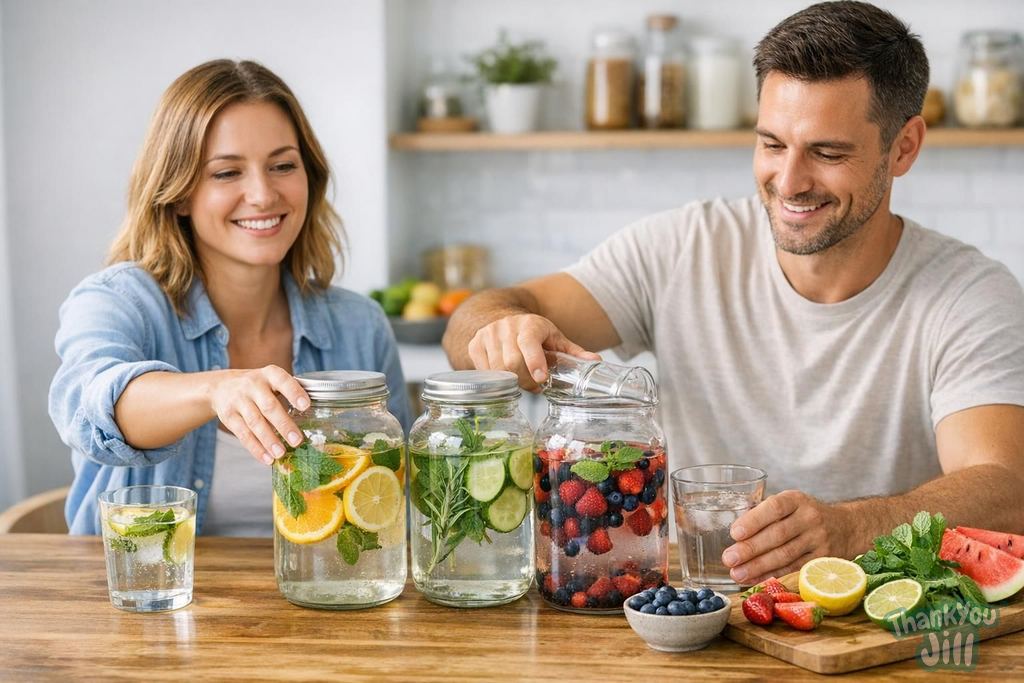
Fill a 1.5-2 liter water bottle in the morning. Add a pinch of salt (literally: a pinch between your thumb and finger), the juice of half a lemon, and a few mint leaves. You've got mineralized, flavorful water that makes you want to drink.
Carry your bottle everywhere. In the car, at work, at the beach. If you have it with you, you'll drink. If you leave it at home, you'll forget.
Use Reminder Apps
There are free apps that remind you to drink every hour. Set alerts for 8 AM to 8 PM. Every time it goes off, drink a glass. Over 12 hours, that's 12 glasses, roughly 2.5 liters.
It might seem tedious at first, but after 2 weeks it becomes automatic. You won't need the app anymore.
Eat Hydrating Foods
Watermelon, cantaloupe, cucumbers, tomatoes, peaches: they're 80-95% water. Two nice slices of watermelon = 400 ml of water plus vitamins and salts. It's hydration you can eat.
Fresh salads, cold soups (gazpacho), fruit smoothies: they're all ways to get fluids without drinking only water. Vary your intake and hydrate better.
Watch Out for Alcohol and Caffeine
An aperitif on the beach at sunset? Nice, but alcohol dehydrates. For every glass of wine or beer, drink at least one glass of water. That way you compensate.
Iced coffee is trendy in summer. But caffeine is a diuretic. If you drink 2-3 coffees a day, add at least 2 more glasses of water.
For Those Who Exercise in Summer
Drink 500 ml half an hour before your workout. During activity, drink 150-200 ml every 15-20 minutes. Afterward, replenish gradually over 2 hours.
If the activity lasts more than 1 hour, use sports drinks with electrolytes. Not just water. Sodium and potassium are essential to prevent cramps and hyponatremia.
Protect Children and the Elderly
Children don't feel thirsty like adults do. In summer, offer water every hour, even if they say they're not thirsty. Always keep a small bottle in the toy cabinet.
Elderly people have an even more diminished sense of thirst. If you're caring for an elderly person in summer, make them drink every hour with kindness but firmness. It's a matter of safety.
Monitor the Signs
Every evening, do a check: did you drink at least 2.5 liters? Was your urine clear? Did you feel energetic? If yes, keep it up. If no, drink more tomorrow.
Weigh yourself every morning for a week. If your weight fluctuates more than 1 kg from day to day, it's probably fluid variation. Try to stabilize it by drinking the right amount.
When to See a Doctor
If even drinking a lot you're always thirsty, urinate much more than usual, and always feel tired: it could be diabetes. Get checked.
If you have heat stroke symptoms (confusion, very high temperature, dry and hot skin, rapid heartbeat): go to the emergency room immediately. Don't wait.
Frequently Asked Questions
How can I tell if the water I drink in summer is suitable for replenishing the salts lost through sweat?
In summer, if you sweat heavily, choose medium-mineral water with a residue of 300-500 mg/l, containing sodium (30-50 mg/l), magnesium, and calcium. These help replenish lost salts, preventing cramps and weakness.
How much water should you really drink during a hot day with intense physical activity?
On a hot day with intense physical activity, it's recommended to drink at least 3-5 liters of water per day, spreading intake throughout the day to prevent dehydration and keep body temperature stable.
What's the best timing for drinking water during a summer day to avoid dehydration?
Drink at least 2 glasses upon waking, half a liter 30 minutes before going out, a glass every hour in the sun even without thirst, and sip water gradually after physical activity. Avoid drinking large amounts all at once.
What happens if you drink only water without mineral salts during intense summer sweating?
Drinking only water without mineral salts during intense sweating can dilute your blood and dangerously lower sodium levels, causing muscle cramps, weakness, and confusion. It's important to replenish the salts you've lost.
Latest News




Comments
No comments yet. Be the first!
Leave a comment