


 Italiano
 Français
 Deutsch
 Español
 Português
 Svenska
 Suomi
Suomi
How to Properly Store Bottled Water
Correct storage methods and timeframes
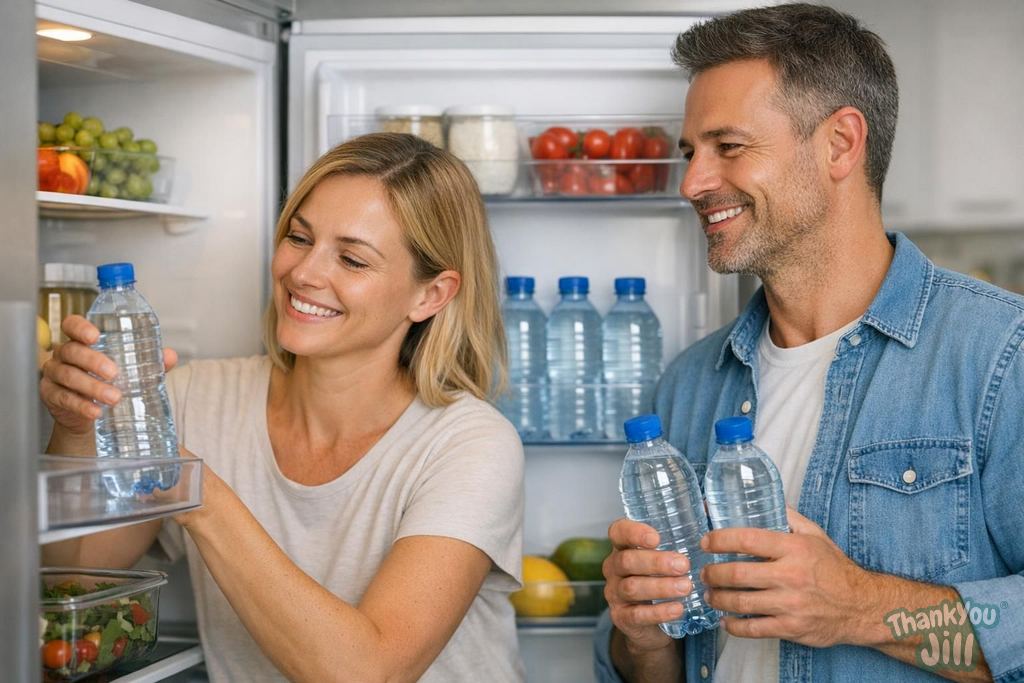
Every day, millions of Italians drink water from plastic bottles. It's convenient, affordable, and available everywhere. But is that plastic really safe? What happens when the bottle sits in the sun? When you reuse it multiple times? When it's months old?
Plastic isn't inert. It can release substances into water. Not always, and not in dangerous quantities, but it can happen. And you have the right to know when, how, and what to do to protect yourself.
Plastic bottle materials: they're not all the same
Water bottles are made of PET (polyethylene terephthalate). It's the plastic marked with the number "1" inside a triangle on the bottom. It's considered safe for food contact, but only if used correctly.
PET is stable at room temperature. It doesn't release harmful substances if stored properly. But if exposed to heat, direct sunlight, or aging, it can degrade and release microplastics and chemicals.
Plastic bottles are designed for single use. They're not made to be reused dozens of times. Washing them, refilling them, leaving them in the sun—all of this accelerates plastic degradation.
The danger of heat
When plastic heats up, molecules move faster. Some can break free and end up in your water. Not in enormous quantities, but it happens.
A bottle left in a car during summer can reach 60-70°C. At this temperature, PET releases antimony (a heavy metal used in production) and microplastics. The amounts are small, but if it happens frequently, they accumulate in your body.
Studies have found that water in bottles left in the sun contains more microplastics than water stored in cool conditions. This isn't fearmongering—it's basic chemistry.
Microplastics: what they are and why they matter
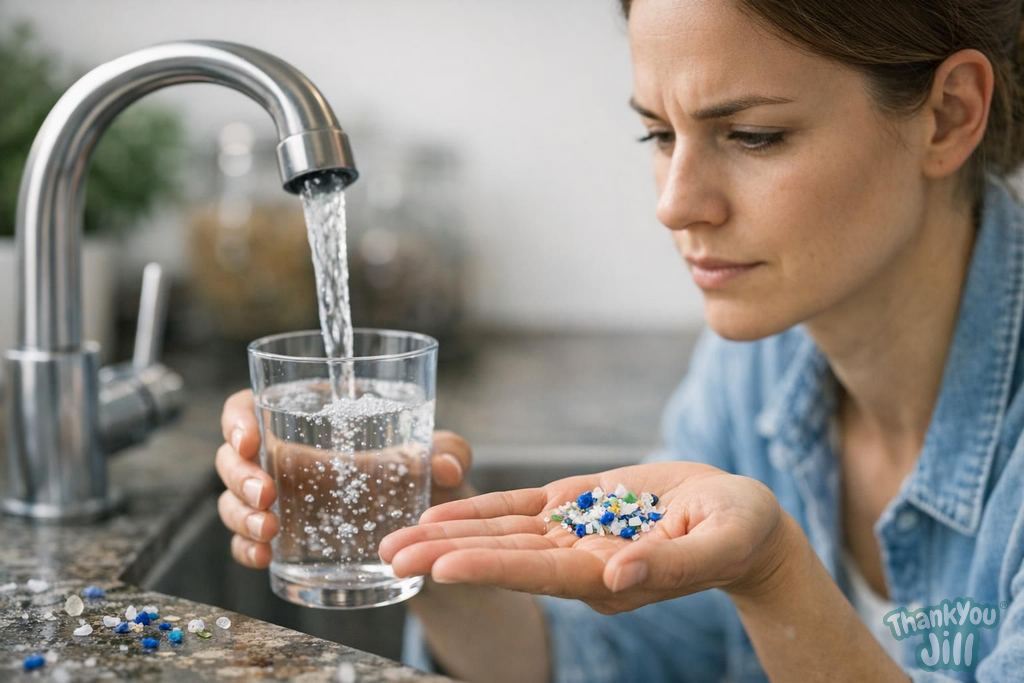
Microplastics are tiny fragments of plastic, invisible to the naked eye. They form when plastic degrades. They end up in water and you drink them.
Research is still investigating health effects. What we know is that microplastics have been found in blood, lungs, and placentas. We don't yet know exactly what they do, but their presence isn't reassuring.
Avoiding microplastics entirely is impossible—they're everywhere now. But you can reduce exposure by using plastic bottles correctly or switching to alternatives.
When plastic bottles are safe
If you buy it, store it cool and dark, drink it before the expiration date, and use it just once, the risk is minimal. The bottle does what it was designed for.
If you check that it hasn't expired (yes, bottled water has an expiration date—not for the water itself but for the plastic), that it hasn't experienced temperature swings, that it's not scratched or damaged, then you're using plastic safely.
PET is one of the most studied polymers and is considered safe. Used correctly, it poses no problems. The danger comes from misuse.
The mistakes that make plastic dangerous
Leaving the bottle in your car: mistake number one. Heat accelerates the release of substances. If you need to bring water in the car, use an insulated water bottle.
Reusing plastic bottles: you wash it, refill it, use it for weeks. But every wash scratches the plastic, creates micro-cracks where bacteria thrive. And the plastic degrades faster.
Freezing plastic bottles: some people do this to have cold water. But freezing expands water, stresses the plastic, and increases the risk of substance release when it thaws.
Buying old bottles: always check the expiration date. If only a few months remain, the bottle was produced a year or more ago. Plastic ages even when sealed.
The safest alternatives
Stainless steel water bottles: the best choice. They release nothing, last for years, and maintain temperature. They cost more upfront, but pay for themselves in a few months.
Glass water bottles: perfect for home or office. Zero substance release. The downside is weight and fragility. Not ideal for sports or travel.
Tritan bottles (BPA-free plastic): a middle ground. Safer than PET, less so than glass or steel. Good if you want lightness without sacrificing too much safety.
How to read the expiration date
There's a date stamped on the bottle. It's not the expiration of the water (which doesn't expire), but of the bottle. After that date, the plastic may have started to degrade.
It's typically 12-24 months from production. If you see discounted bottles near expiration, leave them on the shelf. Don't compromise on safety for savings.
Recycling plastic bottles
Recycling is important, but it doesn't solve the microplastics problem. When PET is recycled, it's melted and transformed. But it doesn't become food-grade PET again—it becomes fabric (fleece), carpets, non-food containers.
Making new bottles requires virgin PET. Recycling reduces the amount of plastic in the environment, but doesn't create a closed loop. It's better to reduce plastic bottle use than rely solely on recycling.
The environmental impact is significant
Every year in Italy, billions of plastic bottles are consumed. Many end up in rivers and seas. Plastic takes 450 years to fully degrade. Our grandchildren will still see the bottles we throw away today.
It's not just a personal health issue. It's a collective problem. Reducing plastic use is an act of responsibility toward the environment and future generations.

Plastic is convenient until it becomes dangerous. Use it wisely or switch to alternatives. Your body and the planet will thank you.
Buy and use correctly
If you buy bottled water: check the date, choose bottles stored in cool conditions (not those on pallets in the sun outside the supermarket), take them home immediately, and store them in a cool, dark pantry.
Drink within 2-3 months of purchase. Don't leave bottles in the pantry for 6 months. Plastic ages even when sealed.
Never in a car in the sun
Never leave bottles in your car, especially in summer. If you need to bring water, use an insulated water bottle. If you must use plastic, put it in an insulated bag with ice.
If you've left a bottle in the sun for hours and the water is hot: throw that bottle away. Don't drink it. It's not worth it.
Don't reuse single-use bottles
PET bottles aren't designed to be washed and reused. Every wash degrades them. After 2-3 reuses, the plastic is scratched, bacteria proliferate, and the risk of substance release increases.
If you want to reuse, buy a proper water bottle designed for multiple uses. It costs 15-30 euros and lasts for years. It's the right investment.
Switch to a reusable water bottle
Stainless steel for daily use, sports, and travel. Glass for home and office. Tritan if you want safer, lighter plastic. Choose based on your needs.
The first month will feel strange. After that, it becomes automatic. Fill in the morning, take it with you, refill when it's empty. Zero single-use plastic.
For children: maximum caution
Children are more vulnerable to substances released by plastic. For them, always prefer stainless steel or glass bottles (with break-resistant protection).
Never give children water from bottles left in a hot car. Their bodies are smaller, so substances have a proportionally greater effect.
Check the recycling symbol
On the bottom of the bottle is a number inside a triangle. If it's "1" (PET), it's for water. If it's "3" (PVC) or "7" (other), it's not for drinking water. Don't fill it with drinking water.
Use only containers marked "1" for water and beverages. Others may contain substances unsafe for food use.
Reduce gradually
You don't need to go from 10 bottles a week to zero overnight. Start by buying one water bottle. Use it when you're at home. Then start taking it out. Gradually reduce bottles.
In 2-3 months you can completely eliminate plastic bottles from your daily life. It's a smooth and sustainable transition.
Make a conscious choice
I'm not saying plastic will kill you. I'm saying that when used incorrectly, it can release unwanted substances. And that better alternatives exist.
You decide. Want to continue with plastic? Use it correctly. Want to eliminate the risk? Switch to glass or steel. What matters is that it's a conscious choice, not just a habit.
Frequently asked questions
What are the risks of leaving a plastic bottle in the sun or in a car during summer?
Leaving a plastic bottle in the sun or in a hot car can cause chemical substances like antimony and microplastics to be released into the water, increasing exposure to potential harmful contaminants.
How can you tell if a plastic bottle is still safe to use for water?
A plastic bottle is safe if it's stored cool and dark, hasn't expired, isn't scratched or damaged, and is used only once. Reusing or exposing the bottle to heat accelerates degradation and increases risks.
When is it worth switching to stainless steel or glass water bottles instead of plastic?
It's worth switching to stainless steel or glass bottles if you want to avoid chemical and microplastic release, reduce environmental impact, and have a durable and safe container, especially for daily use, sports, or for children.
How much does reusing plastic bottles contribute to the release of harmful substances?
Reusing single-use plastic bottles increases the release of harmful substances because every wash creates micro-cracks where bacteria thrive and the plastic degrades faster, increasing water contamination.

Latest News




Comments
No comments yet. Be the first!
Leave a comment