


 Italiano
 Français
 Deutsch
 Español
 Português
 Svenska
 Suomi
Suomi
Tap Water vs Bottled Water
Facts and Myths Debunked
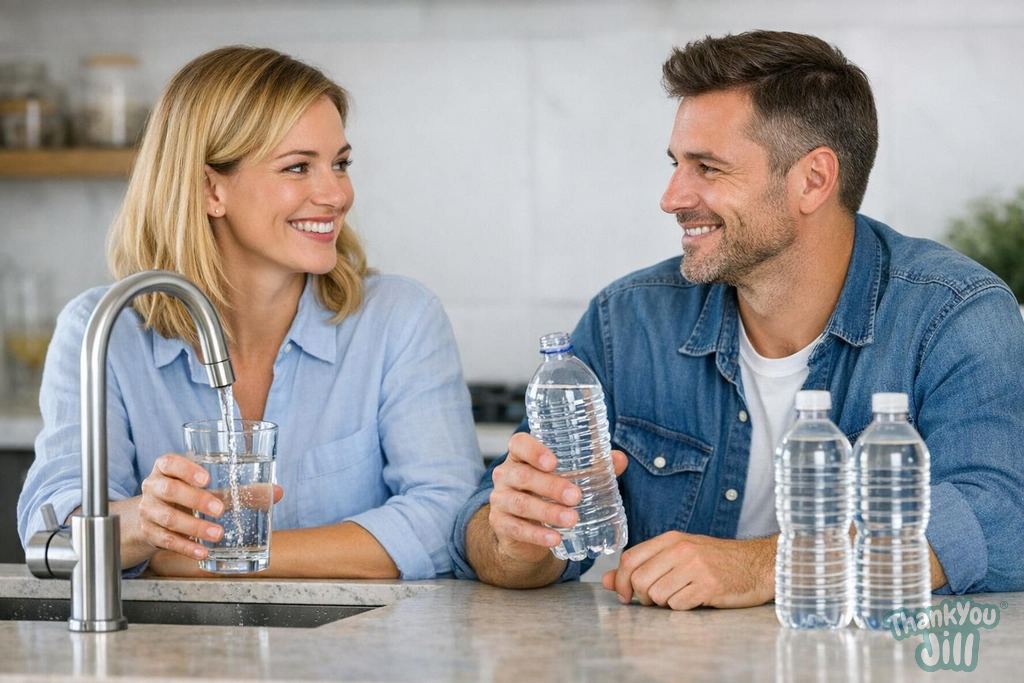
It's one of the most common questions: is tap water or bottled water better? The answer isn't as straightforward as it seems. It depends on where you live, what you're looking for, and what your priorities are. But one thing is certain: many of the things you think you know are wrong.
Some people swear that tap water is full of dangerous substances. Others say bottled water is just a waste of money and plastic. The truth, as is often the case, lies somewhere in between. And knowing it will help you make the right choice for you and your family.
What's Really in Your Tap Water
The water coming from your tap is monitored. In Italy, water systems must comply with strict legal limits. Regular checks are performed for bacteria, heavy metals, and chemicals. It's safe to drink in most cases.
The problem isn't so much what's in the water leaving the treatment plant, but what happens along the way to your tap. Old pipes can release lead, copper, and iron. Poorly maintained building tanks can contaminate the water. It's not the water system's fault—it's the last mile that matters.
This is why in some parts of Italy tap water is excellent and you can drink it without worry. In other areas, it's better to filter it or avoid it altogether. There are no universal rules: you need to know the situation in your neighborhood and building.
Chlorine: Enemy or Friend?
Tap water contains chlorine. It's intentional, not a pollutant. Chlorine kills bacteria and keeps water safe as it travels through the pipes. Without chlorine, water could become contaminated along the way.
The chlorine taste you sometimes notice is proof that the water has been disinfected. It's harmless. The amounts are so low they don't damage your health. If the taste bothers you, just let the water sit in an open pitcher for an hour—the chlorine will evaporate.
Some people fear chlorine because they've read it can form dangerous byproducts. That's true, but only at very high concentrations, far beyond those in drinking water. The controls exist precisely to ensure levels are always safe.
What's Really in Bottled Water
Bottled water is mineral water that springs from a source and is bottled without treatment. It contains natural minerals, no chlorine, and has consistent characteristics over time.
It's convenient, always the same, and you know exactly what you're drinking. But it costs much more and has a huge environmental impact. Every year in Italy, billions of plastic bottles are consumed. Many aren't recycled and end up in the environment.
The bottle itself can be a problem. If you leave water in the sun or in a hot car, the plastic can release substances into the water. Not all bottles are the same: PET bottles are the safest, but they must be stored properly.
What Are the Real Differences
Minerals: bottled water has a consistent mineral composition declared on the label. Tap water varies by region, but is still monitored and safe.
Chlorine: tap water contains it, bottled water doesn't. It's a matter of taste, not safety.
Testing: both are tested, but differently. Tap water is tested more frequently (daily), bottled water is tested at the source.
Cost: tap water costs pennies, bottled water can cost from €0.20 to €2 per liter. The difference is enormous.
Environment: tap water produces no plastic or transport emissions. Bottled water has a very high environmental impact.
When to Choose the Tap
If you live in an area with good water quality (ask your municipality or check water system data online), if your building is new or well-maintained, if you don't have particular health concerns: tap water is an excellent choice.
You can improve it with a filter pitcher or water purifier to remove chlorine and improve taste. But the base is already safe. You save money, eliminate plastic, and make a sustainable choice.
When to Choose Bottled Water
If you live in an area where tap water has problems (always check official data, don't rely on hearsay), if your building has old pipes, if you have particular needs (pregnancy, kidney stones, low-sodium diet): bottled water is the safest choice.
Choose PET bottles, store them cool and dark, and consume them before the expiration date. And if possible, buy larger sizes to reduce the amount of plastic.
The Smart Solution
You don't have to choose one option forever. You can use tap water at home for cooking, making coffee, and drinking throughout the day. And keep bottled water for when you're out, for guests, or for those who prefer the taste.
Or you can install a serious water purifier (not cheap filter pitchers) and always drink from the tap. It's an initial investment, but over time you save money and pollute less.
The right choice isn't the same for everyone. It depends on where you live, how much you can spend, and your priorities. What matters is that it's a conscious choice, not based on unfounded fears or misleading advertising.

The best water isn't the one in commercials. It's the water that flows safely from your tap or the nearest spring.
Have Your Tap Water Tested
Before deciding, find out what's really in your water. Many municipalities publish water system analyses online. Look for them on your municipality or health authority website. If you can't find them, ask your local public works office.
If you want to be 100% sure, you can have your tap water tested by a private laboratory. It costs about €50-100, but gives you certainty about what you're drinking. Check especially for: lead, copper, iron, nitrites, and bacteria.
Taste Test Without Bias
Fill three glasses: one with tap water, one with cold bottled water, one with filtered tap water. Have family members taste them without knowing which is which. Often you'll discover the taste difference is minimal or nonexistent.
Our brains are influenced by expectations. If you think bottled water is better, it will seem better. But a blind taste test reveals the truth.
If You Choose Tap Water
Let water run for 10-15 seconds before filling your bottle, especially in the morning. Water sitting in pipes overnight can absorb metals.
Use only cold tap water for drinking and cooking. Hot water passes through the water heater and can contain more sediment and impurities.
Clean your tap aerator regularly (that mesh screen at the end). Bacteria and limescale accumulate there. Unscrew it, wash it with vinegar, screw it back. Once a month is enough.
If You Choose Bottled Water
Never leave bottles in the sun or in a hot car. Heat causes plastic to release substances into the water. Store them in a cool, dark place.
Don't reuse single-use plastic bottles. They're not designed to be washed and reused. Scratches that form can harbor bacteria. If you want to reuse, buy stainless steel or glass water bottles.
Choose water in large bottles (1.5 or 2 liters) instead of many small ones. Reduce the amount of plastic per liter of water consumed.
The Middle Ground: Filter Pitchers
If the only problem is chlorine taste or some limescale, a filter pitcher might be enough. It's inexpensive, reduces chlorine, and improves taste. But remember: you must change the filter regularly (monthly or per instructions), or it becomes a breeding ground for bacteria.
Filter pitchers don't purify water from bacteria or serious contaminants. They only improve taste. If your tap water has real problems, you need a serious water purifier.
Talk to Your Neighbors
Ask your neighbors what they drink and why. If everyone in the building drinks tap water without problems, the water is probably good. If everyone buys cases of bottled water, there might be a known issue.
Sometimes problems only affect certain apartments (old pipes in individual units). Comparing experiences helps you understand if the problem is widespread or specific.
Consider Environmental Impact
If you drink 2 liters of bottled water daily, you consume about 700 bottles a year. Even if you recycle them all, they still produce CO2 from production, transport, and recycling.
Tap water has almost zero environmental impact. It reaches your home without plastic, without truck transport, without waste. If the quality is good, it's the most sustainable choice by far.
Frequently Asked Questions
How can I tell if tap water in my area is safe to drink?
To assess tap water safety, consult the analyses published by your municipality or local authority. If not available, you can have your water tested by a private laboratory to check for heavy metals, bacteria, and other harmful substances.
What's the main difference between tap water and bottled water regarding chlorine?
Tap water contains chlorine to disinfect and ensure safety during transport, while bottled water doesn't. The chlorine in tap water is in safe amounts and can be reduced by letting water sit in an open pitcher.
When is it worth choosing bottled water over tap water?
Bottled water is recommended if local tap water has contamination problems, if pipes are old, or if you have particular needs like pregnancy or specific diets. In these cases, bottled water ensures greater safety.
How much does environmental impact matter in choosing between tap and bottled water?
Bottled water has a high environmental impact due to plastic production and disposal and transportation. Tap water has almost no impact, being distributed without plastic and with lower emissions, making it the most sustainable choice.

Latest News




Comments
No comments yet. Be the first!
Leave a comment