


 Italiano
 Français
 Deutsch
 Español
 Português
 Svenska
 Suomi
Suomi
Zero-mile vs organic: what to choose for the environment
Making the right choice for environmental impact
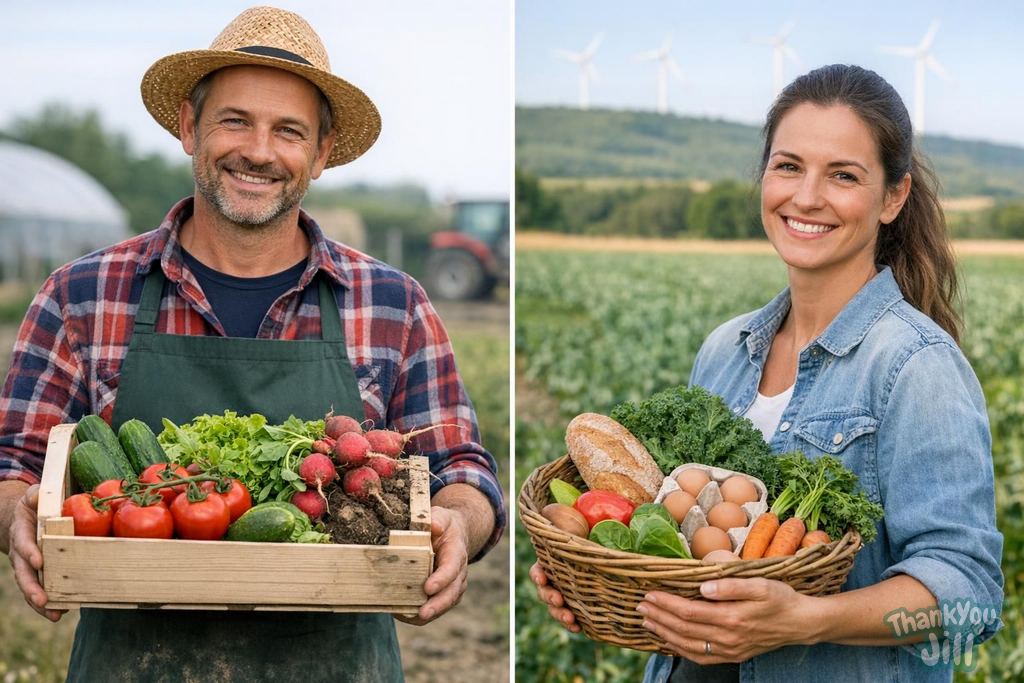
The environmentally conscious consumer often faces this choice: the certified organic product from a distant company or the conventional product from the farmer next door? There's no universal answer, but there are scientific principles that help guide you. And often the dichotomy is false: the best option is locally sourced organic produce, where it exists.
What certified organic guarantees
The European organic regulation (Reg. EU 2018/848) guarantees: absence of synthetic chemical pesticides (approved organic pesticides, such as copper or sulfur, have much lower environmental impact), absence of synthetic nitrogen fertilizers (with all the benefits for the nitrogen cycle), no GMOs, mandatory crop rotation (essential for soil health), for animals: outdoor access and prohibition of preventive antibiotics. Organic does not guarantee: short supply chains or local sourcing (a certified organic product can come from the other side of the world), reduced water consumption (some organic systems use more water than conventional due to lower yields), zero carbon footprint (transport vehicles use fossil fuels even if the product is organic).
What zero-mile guarantees
There is no universal legal definition of "zero-mile" in Italy. It generally means: sourcing within a radius of 70-100 km from the point of sale, short supply chain with fewer intermediaries, greater freshness (less time between harvest and consumption). Zero-mile does not guarantee: absence of pesticides (a conventional local product uses the same pesticides as a distant one, but applies them to local soil), better environmental profile of the production system, seasonal cultivation (a zero-mile tomato from a heated greenhouse in November is not more sustainable than one from a Sicilian field in July).
Direct comparison: when organic wins and when local wins
Organic wins (from an environmental perspective) when: the difference in production method is the dominant factor in environmental footprint (e.g., for fruits and vegetables with high pesticide use in conventional farming), transport is by land or sea (carbon footprint of transport is modest compared to production), the product is non-perishable (grains, legumes, preserves: transport is efficient and emissions are low). Local wins (from an environmental perspective) when: transport is by air (rare for local products, but relevant for exotic products out of season), seasonality is respected (open-field cultivation in the right season vs. organic in a heated greenhouse out of season), benefits beyond CO2 are considered (local economy, producer-consumer relationship, local varieties).
Seasonal local organic: the ideal meeting point
The optimal choice is obviously seasonal local organic produce. In Italy, this option is increasingly accessible through: Solidarity Purchasing Groups (GAS), farmers markets with local organic producers (Campagna Amica, Slow Food Farmers Market), CSA (Community Supported Agriculture: you buy a share of a local farm's harvest in advance), direct purchases from farms or through weekly boxes of local organic vegetables. In many Italian cities, these options are already available and, when purchasing in a coordinated way and by subscription, they're often no more expensive than supermarkets.

It's not organic versus zero-mile: it's one system against another. When you find seasonal local organic produce, you've won everything. When you have to choose between the two: organic reduces chemical pollution in local soil; local reduces transport and supports the nearby economy. In both cases, you're making a better choice than conventional imported out-of-season produce. Perfect is the enemy of good.
How to find local organic produce in your area
In Italy: Campagna Amica (campagnamica.it): the Coldiretti network of farmers with markets and shops throughout Italy. Degusta.it and Naturasi.it: chains of organic shops with attention to Italian supply chains. AIAB (Italian Association of Organic Agriculture, aiab.it): publishes a list of certified organic producers by region. GAS (Gas.wikispot.org or gasnet.noblogs.org): find the GAS closest to you. Slow Food Farmers Market: monthly markets in various Italian cities with local producers and traditional varieties. Alveari (alveare-chedinedice.it): platform that organizes collective purchases from local producers in a community model.
The cost of organic: how to make it affordable
Certified organic costs on average 20-50% more than conventional for fresh products. Strategies to make it economically accessible: GAS and collective purchases (buying as a group reduces distribution costs by 20-30%), weekly subscription boxes from organic farms (prices often lower than supermarket organic), farmers markets (eliminate supermarket intermediaries), direct farm purchases, concentrate organic buying on categories with more pesticides (strawberries, peaches, apples, spinach, grapes: the EWG dirty dozen) and accept conventional for categories with thick skin or fewer residues (avocado, pineapple, onion, peas).
Organic certification: how to read it on the label
The mandatory European organic logo is a green leaf with 12 stars on a green background. Next to it must appear: the certifier code (e.g., IT-BIO-002) and the origin ("EU Agriculture", "Non-EU Agriculture" or the specific country). Better-known private certifiers in Italy: ICEA, Suolo e Salute, CCPB, QC&I, Bioagricert. Products with only the words "natural", "eco", "green" without the EU organic logo have no legal guarantee: it's marketing, not certification. European organic is the minimum guarantee; some private certifications (Demeter for biodynamic) have additional stricter standards.
Frequently asked questions
What is the main difference between a certified organic product and a zero-mile product in terms of environmental impact?
Certified organic guarantees the absence of synthetic chemical pesticides and sustainable agricultural practices, while zero-mile ensures a short supply chain and lower transport emissions. However, zero-mile does not guarantee sustainable production methods and organic is not always local.
When is it better to choose an organic product over a conventional local one?
It's better to choose organic when production involves high use of conventional pesticides, transport occurs by land or sea with low carbon footprint, and for non-perishable products like grains or legumes, where production method matters more than transport.
How can you tell if an organic product is also local and seasonal?
To be organic, local, and seasonal, the product must come from nearby farms (within 70-100 km), be certified with the EU organic logo, and be cultivated in its natural season. Purchasing through local markets, GAS, or CSA helps you find this ideal combination.
How much does organic cost and how can you make it more affordable?
Organic costs on average 20-50% more than conventional. To make it more affordable, you can use collective purchases, subscription boxes, farmers markets, and concentrate organic purchases on products with more pesticide residues, thus reducing overall costs.


Latest News




Comments
No comments yet. Be the first!
Leave a comment