


 Italiano
 Français
 Deutsch
 Español
 Português
 Svenska
 Suomi
Suomi
Regenerative Agriculture
Beyond Organic
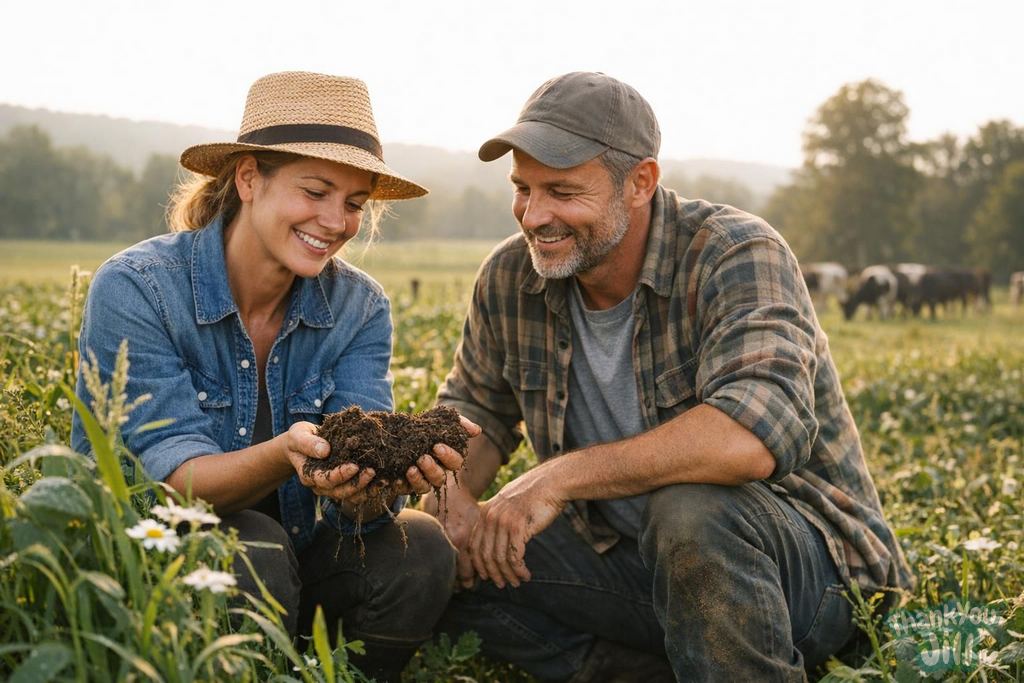
Organic agriculture took a fundamental step: it eliminated synthetic chemical pesticides and synthetic nitrogen fertilizers. But regenerative agriculture goes further: it doesn't just reduce environmental damage, it actively aims to regenerate soil, the water cycle, biodiversity, and potentially sequester atmospheric carbon in soil in significant quantities. It's not a return to the past: it's an integration of traditional agricultural wisdom and modern ecological knowledge.
The Five Principles of Regenerative Agriculture
The five fundamental principles identified by research and pioneers of regenerative agriculture such as Gabe Brown (North Dakota) and David Montgomery (University of Washington): 1. Minimal soil disturbance: drastic reduction or elimination of plowing (no-till or minimum-till). Plowing breaks soil structure, destroys mycorrhizal fungi, releases organic carbon into the atmosphere. 2. Permanent soil cover: bare soil is vulnerable to erosion, moisture loss, and biological degradation. Cover crops, mulch, crop residues: the soil is always covered. 3. Crop diversity: complex rotations of many different species instead of monocultures. Each species has different synergies with soil microorganisms. 4. Living roots in the soil for as long as possible: roots pump carbon into the soil through the rhizosphere. 5. Livestock integration: animals, if managed correctly (intensive rotational grazing), naturally fertilize the soil and stimulate grass growth. The problem isn't the animals: it's how they're managed.
Carbon Sequestration in Soil: The Regenerative Potential
Soil is Earth's second largest carbon reservoir after the oceans: it contains about three times more carbon than the atmosphere and twice as much as forests. Conventional agriculture has degraded soils by releasing enormous amounts of organic carbon accumulated over thousands of years into the atmosphere. Regenerative agriculture can reverse this trend: regenerated soils increase their organic carbon content (SOM: Soil Organic Matter) at measurable rates. The scientific debate on how much carbon regenerative agriculture can sequester remains open: some optimistic estimates (Rodale Institute) suggest that regenerative agriculture applied globally could sequester enough CO2 to offset a significant portion of current emissions. More conservative estimates (Nature, 2018) suggest a potential of 1.5-3 Gt CO2/year: significant but not sufficient alone to solve the climate crisis.
Intensive Rotational Grazing (Holistic Planned Grazing)
One of the most discussed techniques in regenerative agriculture is intensive rotational grazing: large herds are moved very frequently over small areas, mimicking the behavior of large herds of wild herbivores (bison, wildebeest) on vast grasslands. High density for short periods stimulates the soil, feces fertilize it, then the herd moves on and the grass has time to fully regenerate. Compared to continuous extensive grazing (where animals selectively eat preferred species and degrade pasture), rotational grazing can increase pasture biodiversity, soil organic content, and water retention. This technique is proposed by Allan Savory (Zimbabwe) as a solution to desertification: it remains scientifically controversial but is practiced by hundreds of farms worldwide with documented positive results at the local level.
Italian Regenerative Agriculture Farms: Concrete Examples
Regenerative agriculture in Italy is still a niche but growing. Significant examples: Fattoria della Piana (Calabria): dairy production with intensive rotational grazing and no-till. Podere San Giuliano (Tuscany): regenerative vineyard with cover crops and zero plowing. Azienda agricola Iris (Emilia-Romagna, organic and regenerative). There are associations like RiGenera Italia that are mapping and connecting farms applying these principles. The international network Regeneration International connects regenerative movements worldwide.

Organic farming stops poisoning the soil. Regenerative farming heals it. They're not the same thing. A regenerated soil isn't just less damaged: it's a living ecosystem that sequesters carbon, retains water, hosts biodiversity, produces more nutritious food. It's the difference between not breaking and rebuilding.
How Regenerative Agriculture Influences Food Quality
Regenerated soils produce foods with superior nutritional profiles compared to conventional and often organic: comparative studies show higher mineral content (calcium, magnesium, zinc, iron) in grains and vegetables from soils with high organic matter content, higher antioxidant content in fruits and vegetables from biologically active soils (plants produce more polyphenols when "stressed" by biological competition in the soil), higher omega-3 in meat and milk from animals raised on regenerative pastures compared to conventional. The link between soil health and food health is one of the most promising research areas in applied nutrition.
How to Support Regenerative Agriculture as a Consumer
There is no specific certification for regenerative agriculture in Italy yet (the Regenerative Organic Certified - ROC - exists in the USA). The closest certifications: Demeter (biodynamic): has requirements most similar to regenerative principles, including animal integration and soil fertility. How to find regenerative producers: search online for farms that declare themselves regenerative in your region, follow Regeneration International or RiGenera Italia, visit Slow Food markets where many regenerative producers sell directly. Pay a premium: products from regenerative agriculture cost more on average because they require more labor and often lower yields in the short term (but higher yields in the long term as the soil regenerates).
Start Regeneration in Your Home Garden
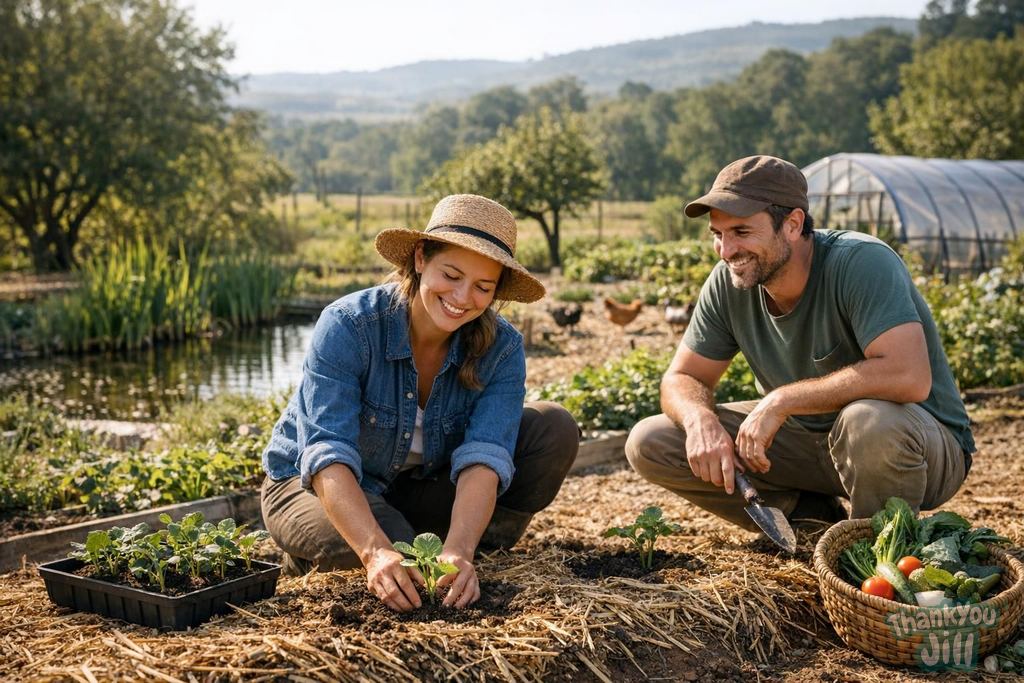
The principles of regenerative agriculture apply even to a 5 m² garden on a balcony: never plow the soil (use Charles Dowding's "no-dig" method: add layers of compost to the surface without turning the earth), always cover the soil with mulch or compost between crops, grow diversity (at least 5-10 different species instead of just tomatoes), use domestic compost as your only fertilizer. In a properly managed garden following these principles, the soil visibly improves every year: darker, more crumbly, more alive. You can measure it: count earthworms in a shovelful of soil at the beginning and after a year. The results are remarkable.
Frequently Asked Questions
What are the main principles of regenerative agriculture that differentiate it from organic?
Regenerative agriculture is based on five key principles: minimal soil disturbance, permanent soil cover, crop diversity, living roots in the soil for as long as possible, and livestock integration with rotational grazing. These aim to regenerate soil, not just reduce harm.
How does intensive rotational grazing contribute to soil regeneration?
Intensive rotational grazing frequently moves large herds over small areas, stimulating the soil and fertilizing it with manure. This method increases biodiversity, organic content, and soil water retention, promoting regeneration compared to continuous extensive grazing.
How does regenerative agriculture affect the nutritional quality of food produced?
Regenerated soils produce foods with higher minerals like calcium, magnesium, and iron, more antioxidants, and higher omega-3 in meat and milk. This happens through biologically active soil that stimulates plants and animals to develop superior nutritional profiles compared to conventional and often organic.
How can I apply regenerative agriculture principles in my home garden?
For a regenerative garden, avoid plowing the soil, use the no-dig method by adding compost to the surface, always cover the ground with mulch, grow a diversity of species, and use only domestic compost as fertilizer. These practices improve soil structure and vitality even in small spaces.
Latest News




Comments
No comments yet. Be the first!
Leave a comment