


 Italiano
 Français
 Deutsch
 Español
 Português
 Svenska
 Suomi
Suomi
Peels and Scraps: Kitchen Gold You're Throwing Away
Creative Uses in the Kitchen and Around the Home
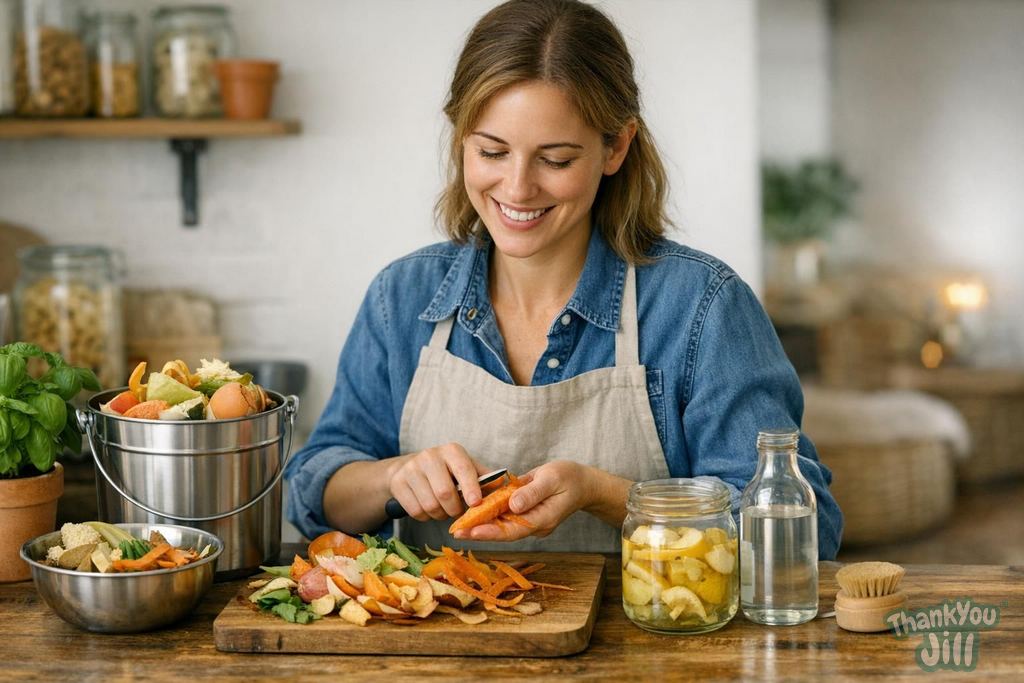
In our modern food system, enormous amounts of nutrition and flavor end up in the compost bin without ever being appreciated. Potato skins, outer cabbage leaves, parsley stems, radicchio leaves, tomato cores, Parmesan crusts—these aren't waste, they're ingredients with their own culinary stories and nutritional profiles. Professional kitchens never throw anything away: every part of every ingredient has a purpose. Home cooks can reach this standard with minimal effort.
nnVegetable Peels: A Treasure Trove of Nutrients and Flavor
nnPotato skins: scrub clean (don't peel if organic)—they contain more potassium, iron, and vitamin C than the flesh. Uses: bake as chips (toss with oil, salt, rosemary at 200°C for 15 minutes), deep-fry for a crispy side, add to vegetable broths for depth. Zucchini skins: thin and tender, packed with chlorophyll and antioxidants. Uses: slice paper-thin for salads, add to broths, sauté with garlic as a side dish. Carrot skins: scrub well (organic preferred)—use in broths, dry and blend as a natural orange colorant for doughs and sauces. Cucumber skins: often bitter in conventional varieties (from the compound cucurbitacin), though modern cultivars are much less so. Add to infused water, chop into salads. Citrus peels (lemon, orange, lime): the zest is the most aromatic and antioxidant-rich part of the fruit. Use only from organic, unwaxed citrus. Zest finely: brighten desserts, sauces, marinades. Use whole: in infusions, sweet broths, flavored oils. Apple skin: never remove it (if organic)—it contains most of the apple's polyphenols (quercetin, chlorogenic acid).
nnStems, Outer Leaves, and Tough Bits: Making the Most of "Waste"
nnBroccoli and cauliflower stems: the toughest part of broccoli, often discarded, has excellent flavor. Peel away the fibrous outer layer and cut into batons: eat raw in salads (sweet and crisp), sauté as a side dish, grate finely into preparations, add to broths. Outer cabbage leaves: the tough, dark outer leaves of green or savoy cabbage, often removed, are excellent in broths for flavor, can be used as wraps for rolls (blanch 2 minutes to soften), or braised slowly with garlic and oil. Parsley and cilantro stems: the stems have flavor as intense as the leaves, often more concentrated. Add to your soffritto with onions, toss into broths, stir into stews. Celery leaves: the feathery celery leaves (often unused) have an intense, slightly bitter flavor. Excellent in broths, chopped into salads, used as garnish. Mushroom stems: they have the same flavor as the caps, often more intense. Chop and use in sauces, risottos, and fillings. Chard leaves: wide-ribbed chard has green leaves often separated from the white ribs. The leaves cook like spinach (same flavor), while the ribs need 5–10 minutes longer.
nnParmesan Rinds: The Secret Weapon of Professional Cooks
nnParmesan rinds (and any similar aged cheese rind) are among the most precious—and most wasted—ingredients in Italian cooking. Toss them into minestrone, ribollita, broth, or stew: the rinds release the glutamate from aged cheese, that deep umami flavor that transforms an ordinary dish into something extraordinary. How to store them: place rinds in a freezer bag and freeze. They'll keep for months. Scrape away the waxy surface, rinse, and add to your cooking liquid for the final 30–60 minutes. Remove before serving (or leave any softened bits for those who love melted cheese).
nnVegetable Cooking Water: Don't Pour It Down the Drain
nnVegetable cooking water contains water-soluble nutrients, sugars, minerals, and starch. It's a precious resource: pasta cooking water: rich in starch, use it to bind sauces (the professional chef's trick). Add a ladle to your sauce before tossing with pasta—a natural thickener. Chickpea and legume cooking water (aquafaba): substitutes for egg white in many preparations. Chard or spinach cooking water: deep green and flavorful, use as a base for risotto or to color fresh pasta dough. Potato cooking water: starch-rich, use to bind artisanal bread dough or make pasta.

Parmesan rind in minestrone, potato skin in the oven, broccoli stem in your salad—none of these takes more time than throwing them away. They only require the moment you decide to stop seeing scraps as waste and start seeing them as ingredients. Your grandmother knew this. Now you do too.
Vegetable broth made from scraps: basic recipe
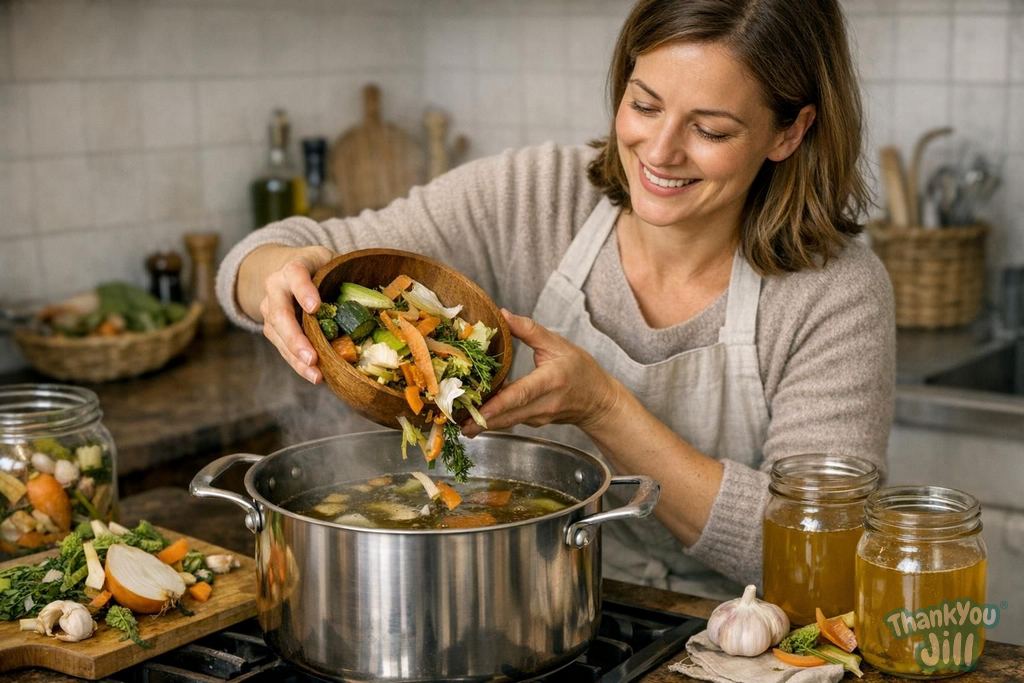
Ingredients: everything you've got in your freezer "scrap bag" (golden onion skins, celery stems, parsley stems, carrot peels, outer cabbage leaves, celery leaves, peppercorns, bay leaf, juniper berries if you have them). Instructions: put everything in a large pot with plenty of cold water. Bring to a gentle boil (don't let it boil hard—it clouds the broth), lower the heat, and let it simmer for 45–60 minutes. Strain. The resulting broth is golden, flavorful, packed with minerals, and costs absolutely nothing. Keep it in the fridge for 4–5 days or freeze in 500 ml containers for months. Use it as a base for risotto, soups, polenta, or broth-based pasta dishes.
Crispy baked potato skin chips
This is one of the easiest and most surprising zero-waste cooking tricks. Ingredients: skins from 4–5 organic potatoes, scrubbed clean (don't peel too thin—you want some flesh attached for thickness), extra virgin olive oil, salt, rosemary or paprika or pepper. Instructions: pat the skins dry with paper towels, toss with a tablespoon of oil and your chosen seasonings, spread in a single layer on parchment paper, and bake at 200°C for 15–20 minutes until golden and crispy. Potato skin chips are loaded with potassium and fiber, absolutely delicious, and cost you nothing since you'd have thrown them away anyway. Perfect as a side dish or snack.
Your zero-waste kitchen kit: what to keep on hand
A freezer bag for peels and leaves (for broth), a freezer bag for Parmesan rinds, a small bag for herb stems (for soffritto or broth), and an ice cube tray for freezing: concentrated broth, herbs chopped with oil, aquafaba, leftover sauces. With these four organized containers, nothing organic ends up needlessly in the trash before getting a second life in your kitchen.
Frequently asked questions
What are the best ways to use potato skins in the kitchen?
Organic potato skins can be turned into crispy baked chips, fried as a side dish, or added to broths for extra flavor. They're rich in potassium, iron, and vitamin C, so it's worth using them rather than throwing them away.
How do you store and use Parmesan rinds to enhance your dishes?
Keep Parmesan rinds in a freezer bag. Before using, scrape off the waxy coating and add to broth or stews during the last 30–60 minutes of cooking to release an intense umami flavor that enriches minestrone and soups.
Why is it worth saving vegetable cooking water and how can you reuse it?
Vegetable cooking water contains nutrients, minerals, and starch. Use it to bind sauces, color dough, make risotto, or substitute for egg white in aquafaba recipes—all while cutting waste and improving the texture of your dishes.
How can you use stems and outer leaves from broccoli, cabbage, and celery?
Stems and outer leaves, often discarded, are full of flavor and nutrition. Peel and chop them to use raw in salads, sauté them in a pan, add them to broths, or use them as wraps for rolls—all ways to avoid waste while adding taste and fiber to your meals.

Latest News




Comments
No comments yet. Be the first!
Leave a comment