


 Italiano
 Français
 Deutsch
 Español
 Português
 Svenska
 Suomi
Suomi
Bulk Shopping
Where to Find It and How to Get Organized
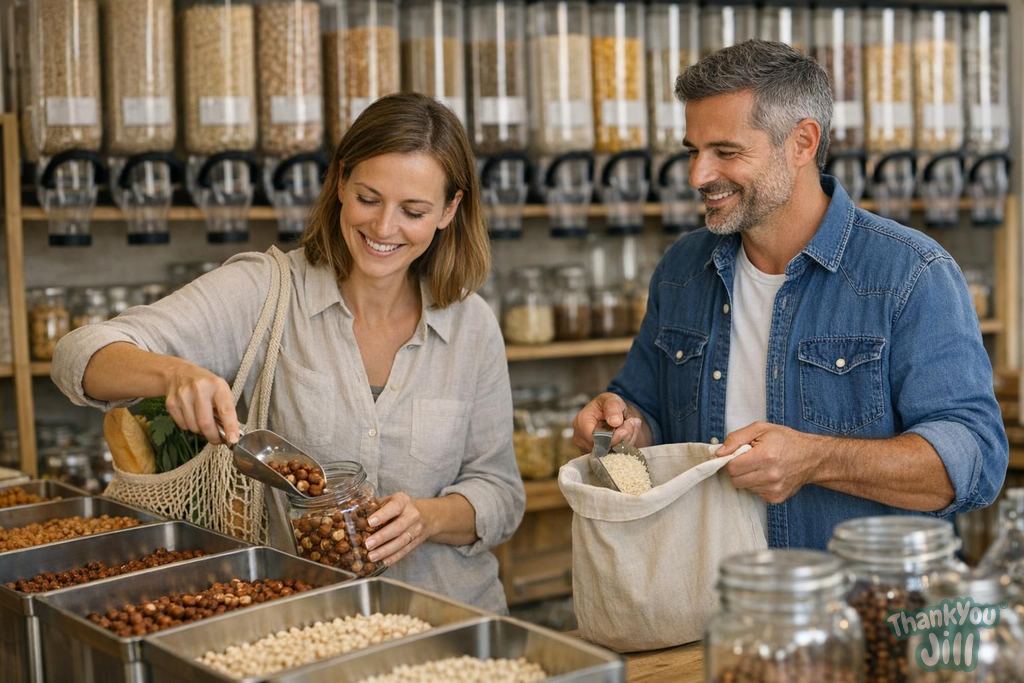
Bulk shopping is the original way to buy food: before modern packaging became the norm in the 1950s and 1960s, everything was sold loose. Grains from sacks, oil from demijohns, wine from barrels, cheese from wheels, ham from whole cuts. The return to bulk shopping isn't nostalgia—it's a rational response to the single-use packaging problem, with concrete benefits for consumers (savings, customizable quantities) and the environment (eliminating packaging at the source).
Where to Do Bulk Shopping in Italy
Zero-waste stores or bulk stores: specialized shops selling loose food in containers you bring from home. Found in major Italian cities (Milan, Rome, Turin, Bologna, Florence, and many others). They typically sell: grains and legumes, nuts, spices, tea and herbal infusions, detergents, body care products. Easy to find by searching "bulk store + city name" or on the Zero Waste Italy map (zerowasteitaly.it). Organic shops (Naturasì, local organic boutiques): many organic stores have sections with loose products, especially for grains, legumes, nuts, and spices. Local markets and produce stands: fruit, vegetables, fresh herbs, fresh legumes in pods are sold loose by definition. Bring your mesh bags. Specialty food shops: herbalists, oil boutiques, wine shops, and direct wineries often sell loose products (oil in your bottle, wine on tap, loose honey). Supermarkets with bulk sections: some major chains (Coop, Carrefour Bio, Aldi) are experimenting with bulk corners for grains, nuts, coffee, and baked goods. Not yet widespread everywhere but expanding.
How to Get Organized for Bulk Shopping: The Essential Kit
To do bulk shopping efficiently, you need just a few tools—all already in your home or available for a few euros: clean glass jars (old tomato sauce or jam jars are perfect): for grains, legumes, nuts, spices. Mark the tare weight (the weight of the empty jar) with a permanent marker or sticker: the shopkeeper will subtract it from the total weight. Cotton or lightweight mesh bags: for flour, oats, loose bread. Glass bottles with screw caps: for oil, vinegar, wine from the barrel (if available). Insulated container: for products like fish or meat if you can buy them loose at some butcher shops. A shopping list with exact quantities: buying loose requires knowing exactly how much you want (you're not opening a standardized package). A small notebook or your phone's notes app works perfectly.
How Much You Save with Bulk Shopping
Bulk shopping is typically cheaper than packaged products from supermarkets for appropriate categories. Typical price differences in Italy (bulk vs. standard packaged brand): lentils: bulk €1.50–2 per kg vs. packaged €2–3 per kg. Almonds: bulk €8–12 per kg vs. packaged €14–20 per kg. Rolled oats: bulk €1.50–2 per kg vs. packaged €2.50–4 per kg. Quinoa: bulk €5–8 per kg vs. packaged €10–15 per kg. Spices (cumin, turmeric, paprika): bulk €5–15 per kg vs. packaged €80–150 per kg (in 20g sachets). Loose spices are the most striking example: the per-kilogram price of packaged spices in sachets is enormously higher than bulk. Bringing a small empty jar to the herbalist or organic shop and filling it with spices is one of the most immediate and visible savings from bulk shopping.
Bulk Shopping for Non-Food Products
Zero-waste stores often sell non-food household and personal care products loose as well: laundry detergent, dish soap, fabric softener, shampoo, conditioner, liquid soap, toothpaste. The price difference compared to packaged versions is significant (single-use containers account for up to 30–40% of the final price of detergent), and you eliminate packaging entirely. How it works: you bring your clean bottles (or buy the container the first time at the shop), fill them directly from the store's dispensers, and pay for the product without the container cost. After the first few weeks of adjustment (getting used to bringing empty containers), the process becomes automatic and very satisfying.

Bulk shopping doesn't require a special store: it requires the tomato sauce jar you already have at home, the cotton bag forgotten in your drawer, and the courage to ask your trusted baker if they can put bread directly in your bag. Start with just one thing. The savings and satisfaction do the rest.
How to Transition to Bulk Shopping in Three Weeks
Week 1: bulk shopping only for fruit and vegetables at the market (bring the cotton bags you already have). Requires no special store. Week 2: find the bulk store closest to your home (search online or on Zero Waste Italy). Buy 2–3 loose products you use regularly (lentils, oats, almonds) in jars you already have at home. Evaluate the savings. Week 3: bring containers to the deli counter at the supermarket for cheese and cold cuts. In most Italian supermarkets, this is already normal and accepted. After three weeks, you've easily eliminated 30–40% of your weekly food packaging without overturning your shopping habits.
How to Store Bulk Products at Home
Loose products without packaging must be stored correctly to maintain quality and safety. Grains and legumes: in airtight glass jars in a cool, dry, dark place. They keep for 6–12 months (grains) or 1–2 years (dried legumes). Flour: in a glass jar or airtight container away from moisture. Maximum 6 months for whole wheat flour (the fats in the germ can go rancid). Nuts and seeds: glass jars in the fridge or a cool place: they keep for 3–6 months from purchase. Spices: small airtight glass jars, away from light and moisture. They keep for 1–3 years (aromatic potency decreases but they remain safe). A label with the name and purchase date on each jar is essential for managing stock rotation.
Frequently Asked Questions
How can I best organize bulk shopping without waste?
To do bulk shopping effectively, you need a basic kit: clean glass jars with tare weight marked, cotton or mesh bags, glass bottles for liquids, and a precise list of quantities to buy. This prevents waste and makes price calculation easier.
What are the main economic advantages of bulk shopping compared to packaged products?
Bulk shopping allows significant savings—for example, loose lentils cost about €1.50–2 per kg versus €2–3 per kg packaged, and loose spices can cost up to 10 times less than packaged sachets, eliminating the packaging cost.
Where can you find stores that sell loose products?
Loose products are found in zero-waste or bulk stores, organic shops with loose sections, local markets, specialty food shops like wine bars and herbalists, and in some major supermarket chains with dedicated bulk corners.
How do you properly store bulk products to maintain quality and safety?
Bulk products should be stored in airtight glass jars in cool, dry places away from light. Grains and legumes keep for up to 1–2 years, nuts keep for 3–6 months in the refrigerator, and spices keep for 1–3 years while maintaining flavor and safety.

Latest News




Comments
No comments yet. Be the first!
Leave a comment