


 Italiano
 Français
 Deutsch
 Español
 Português
 Svenska
 Suomi
Suomi
Second hand
Quality clothing and used items
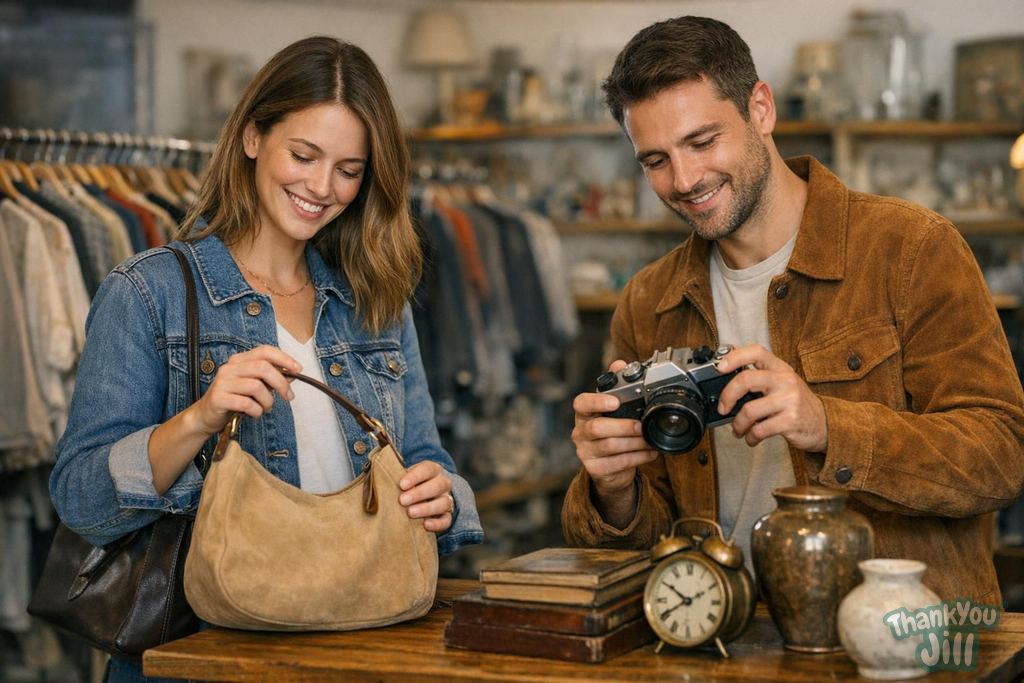
The fashion industry is responsible for 10% of global CO2 emissions (more than aviation and maritime shipping combined), 20% of industrial freshwater pollution, and 35% of microplastics in the oceans. Fast fashion has accelerated these impacts to unsustainable levels: European consumers buy on average twice as many clothes as they did 15 years ago and keep them for half the time. The secondhand clothing market is the most effective systemic response to this problem: every used garment purchased is one that doesn't need to be produced new, saving all the resources, water, energy, dyes, and microplastics that production entails.
The secondhand market: explosive growth
The global secondhand clothing market grew 127% between 2018 and 2022 and is expected to surpass the fast fashion market in volume by 2030. In Europe, Vinted has become the most-used secondhand platform with over 80 million registered users, outpacing many traditional clothing retailers in visibility and transactions. In Italy: Vinted, Subito.it fashion section, Depop (more vintage-oriented), eBay, local Facebook swap pages, and physical secondhand markets (Humana, CRI, local markets). The cultural shift is significant: buying used was once associated with financial necessity; now it's increasingly linked to environmental awareness and smart consumption. Even high-income consumers choose secondhand for ethical and aesthetic reasons (vintage often has superior construction quality compared to contemporary fast fashion).
How to buy quality used clothing
The advantage of quality secondhand: a high-quality used garment often lasts longer and costs less than a low-quality new one. Used merino wool, vintage thick-weave cotton, quality leather—you'll find these at a fraction of the price of new equivalents, because many sellers don't know how to value what they're selling. How to recognize quality in a used garment: check the seams (they should be solid, without fraying), fabric weight (heavier fabric indicates quality), composition (wool, cotton, silk, linen—natural materials last much longer than synthetics), brand presence (not because the brand is everything, but because established brands often used better fabrics than they do now), and geographic origin of production (made in Italy, made in Germany, made in Japan—in many categories these indicate superior construction standards). Where to find the best: organized markets run by professional operators (Humana, CRI in physical stores) curate their inventory; on Vinted and Depop, filter by "condition: excellent" and "material: wool / cotton / linen."
How to sell your used clothes: a practical guide
Selling on Vinted: photograph in good light (natural light, neutral background), describe the garment accurately (size, material, condition, exact measurements if available), be honest about flaws (a small disclosed flaw gets good reviews; a hidden flaw gets refunds and negative feedback), price by looking at similar items recently sold (not those currently for sale—check prices of already-sold items to understand the real market). Selling in person: organized markets (vintage fairs, local markets, swap parties with friends) have less digital reach but let you socialize and sell faster items that take weeks online. Donation: Humana, CRI, Caritas and many others organize collections of used clothes in good condition. Better than throwing away, it creates social value.
Secondhand beyond clothing
The secondhand market extends far beyond clothing: Books: Amazon Marketplace, antiquarian bookstores, Bookmooch, Facebook Marketplace, local library. Electronics: certified refurbished (Apple Certified Refurbished, Samsung Certified Pre-Owned), Swappie for iPhones, BackMarket for various electronics. Furniture: Facebook Marketplace, Subito.it, local markets, municipal auctions, antique fairs. Sports equipment: Decathlon accepts returns and sells refurbished items, Subito.it, local sports groups. Toys: Facebook Marketplace, toy markets (many municipalities organize these), parent-to-parent swaps. Musical instruments: Reverb.com (the largest specialized marketplace), Subito.it, instrument shops that sell used. In almost every product category, buying used saves 40-80% compared to new and reduces the production of new items.

The used cashmere sweater at €15 that lasts ten years is the best choice economically, environmentally, and qualitatively compared to the new acrylic sweater at €25 that falls apart after two washes. Secondhand isn't a fallback for tough times—it's the smart luxury of the informed consumer.
Slow fashion as an alternative to fast fashion: the principles
Slow fashion is the antithesis of fast fashion: buy less but better, prioritize quality and durability, know your supply chain and production conditions. Key principles: buy only what you'll still love in 2 years (not this season's trends), choose durable natural fabrics (wool, organic cotton, linen, hemp) over synthetics, seek brands transparent about their supply chain (Good On You is the most comprehensive database for evaluating fashion brand sustainability), prefer repair over replacement (a quality cobbler, a tailor—repair costs are often 20-30% of replacement cost), capsule wardrobe (an essential 30-40 piece wardrobe that mixes well together instead of 200 disconnected pieces). These principles create a wardrobe that costs less long-term, produces less waste, and often offers more coherent and thoughtful style.
How to evaluate the environmental impact of a fashion purchase
Apps and resources to evaluate fashion brand sustainability: Good On You (goodonyou.eco): a database rating hundreds of fashion brands on a 1-5 star scale for environment, labor, and animal welfare. Available as an app. Fashion Revolution (fashionrevolution.org): the international campaign demanding transparency in fashion supply chains. Their Fashion Transparency Index evaluates major brands annually. Remake (remakeourworld.com): educational resources on fashion's impact and worker conditions. These resources let you make informed choices when buying new: choose brands with transparent supply chains, verified labor conditions, sustainable materials. You can't always be perfect, but direction matters.
The swap party: clothing and item exchange among friends and community
A swap party is a social event where participants bring clothes, books, and items they no longer use and exchange them for items brought by others. No money changes hands—they're based on direct exchange or point systems. How to organize one: invite 10-20 people (friends, colleagues, neighbors), each person brings 5-10 items in good condition (clothes, books, objects, toys), at swap time: everyone takes what they want while contributing equal items. Whatever remains gets donated to charity or left in a shared "object library." The benefits: no cost, socializing, discovering new-to-you items, reduced waste production, strengthened community bonds. Clothing swap parties work especially well among people of similar sizes—virtuous exchange cycles form easily.
Frequently asked questions
How do you recognize a quality used clothing item?
To recognize quality in a used garment, check for solid seams, heavy fabric, natural materials like wool or cotton, presence of established brands, and production origin, which often indicates high construction standards.
When is it worth organizing a swap party to exchange clothes and used items?
A swap party is worthwhile when you want to reduce waste without spending money, involving 10-20 people with items in good condition. It's ideal for socializing, discovering new articles, and strengthening community bonds without using money.
What's the economic and environmental advantage of buying secondhand clothing versus fast fashion?
Buying quality used clothing costs less and lasts longer than fast fashion, reducing the production of new garments and thus the environmental impact related to resources, water, energy, and pollution.
How do you evaluate a fashion brand's sustainability before buying a new garment?
You can use apps and resources like Good On You, Fashion Revolution, and Remake to verify supply chain transparency, labor conditions, and environmental impact of brands, helping you make more conscious and sustainable choices.
Latest News

Comments
No comments yet. Be the first!
Leave a comment