


 Italiano
 Français
 Deutsch
 Español
 Português
 Svenska
 Suomi
Suomi
Common Poisonous Trees in Italy
Which ones to know, recognize, and respect to stay safe
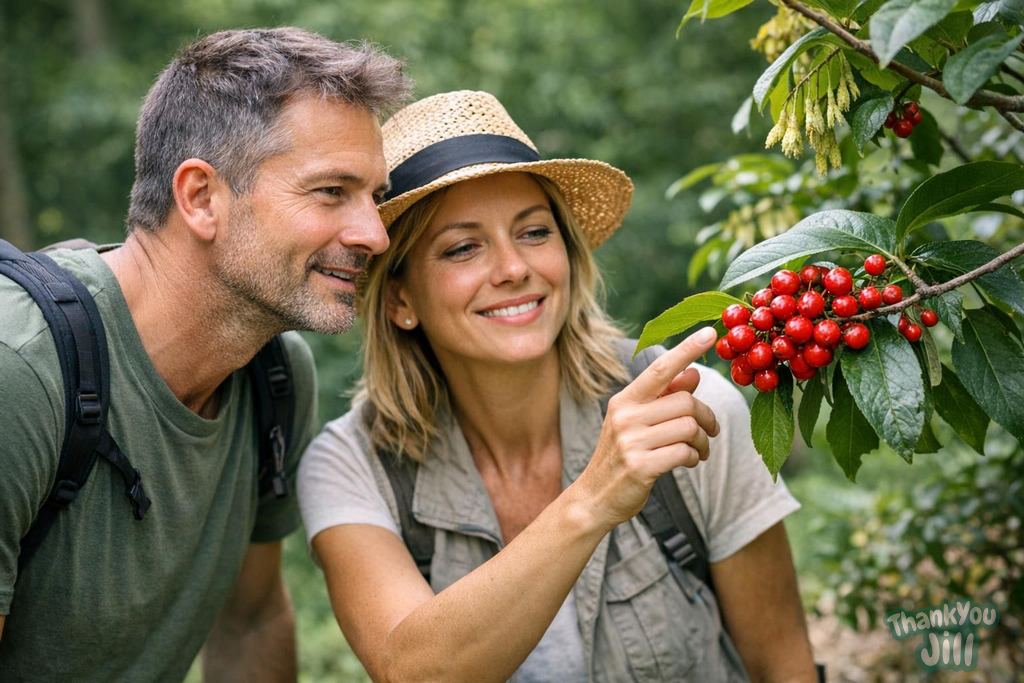
The forest is a safe place — but not for those who don't know it well. In Italy, dozens of tree and shrub species with toxic parts grow wild or are cultivated in gardens. There's no need for paranoia: you just need to know them. A child who can recognize yew won't eat the red berries they find in grandpa's park. A simple rule and a bit of information can make all the difference.
Yew (Taxus baccata): the most dangerous tree in our forests
The yew (Taxus baccata) is probably the most poisonous tree in temperate Europe. It's an evergreen with flat, dark needles, fleshy red berries (arils), and a reddish trunk. It grows wild in Italian hill and mountain forests (especially beneath beeches) and is common in gardens, cemeteries, and ornamental hedges. The toxic part: almost the entire plant, except for the red flesh of the aril (which is edible but has a bland, cloying taste). The seeds inside the aril, the needles, bark, and branches contain taxine — alkaloids that interfere with the heart, causing fatal arrhythmias. Yew poisoning can kill within hours. It's lethal to horses (the most sensitive), cattle, dogs, and humans. The yew seed is extremely toxic: even 5-10 seeds can be lethal to a child. Symptoms appear rapidly: nausea, vomiting, pallor, then cardiac arrest. What to do: if you suspect a child or animal has ingested parts of yew, call 118 immediately or the Poison Control Center (CAV Milan: 02 66101029, available 24/7).
Holly (Ilex aquifolium): red berries not to eat
The holly (Ilex aquifolium) is the evergreen shrub/small tree with glossy, spiny leaves and bright red berries so associated with Christmas. It's common in Italian broadleaf forests and gardens. The berries, so attractive to children, contain ilicin and theobromine: ingesting just 2-5 berries can cause vomiting, diarrhea, and cramping in a small child. The berries aren't lethal to an adult in small quantities, but can be dangerous for children and pets.
Oleander (Nerium oleander): beautiful and deadly
The oleander is one of the most common ornamental shrubs in central and southern Italy: parks, gardens, roundabouts, and southern highways are literally covered with pink, white, and red oleanders. The entire plant is extremely toxic: leaves, flowers, stems, roots, seeds. It contains cardiac glycosides (oleandrins, nerins) that cause severe arrhythmias. Poisoning can occur through ingestion but also through contact with the sap (skin irritation) or inhalation of fumes from burning oleander (never burn oleander twigs in barbecues or fires). Honey produced by bees foraging on oleander is toxic. Even the water in which oleander flowers have been placed becomes toxic. Deaths from oleander are recorded every year in Italy, especially among children who chew leaves or flowers.
Black locust (Robinia pseudoacacia): the flowers can be eaten, everything else cannot
The black locust or white acacia (Robinia pseudoacacia) is one of the most widespread tree species in Italy, introduced from North America in the 17th century. Its fragrant white flowers (May) are edible and are fried in batter for acacia fritters. But bark, roots, and seeds contain robin, a phytotoxin capable of causing nausea, vomiting, and cramping. The seeds in the pod (similar to beans) are particularly attractive to children — and particularly dangerous.
Ivy (Hedera helix) and elderberry (Sambucus nigra)
Ivy has black berries that look appetizing but contain saponins and hederine — toxic to humans, especially children. Elderberry has dark purple-black berries in flat umbels that are edible only after cooking: raw, they contain sambunigrin, a cyanogenic glycoside that causes vomiting. Cooked (jam, elderberry syrup), they're safe and delicious.

Nature isn't dangerous — it's indifferent. A yew has no intention of poisoning you. But its berries are there, beautiful and red. Knowing them is your responsibility, not the plant's.
Practical rules for families and children: safety in the forest and garden
- The golden rule for children: no berry, no fruit, no seed goes in the mouth without an adult having identified it with certainty. There are no rules like "all red berries are toxic" — some red berries (strawberry, raspberry, cherry) are safe and delicious. The rule is always: certain identification before ingesting anything.
- Learn to recognize yew first and foremost: it's the most dangerous. Flat needles arranged in two rows on both sides of the twig, dark green on top and lighter underneath. Fleshy red arils with a black seed inside. Reddish trunk with bark that peels in patches. If you find it in a garden with small children, consider replacing it with a non-toxic species.
- Be careful with oleander when barbecuing: never use oleander branches as skewers for kebabs, and don't burn oleander branches in the fireplace or fire. The fumes are toxic. This happens more often than you'd think, especially in southern Italy where oleander is everywhere.
- Useful numbers to save in your phone: Poison Control Center Milan 02 66101029 (24/7), Rome 06 3054343, Florence 055 4277238. In case of suspected ingestion of toxic plants, call the PCC first and then 118 if necessary.
- Teach children to recognize dangerous plants in your garden: take a walk around the garden with them and show them each plant. Yew? The one with flat needles and red berries — never eaten, not even the flesh. Elderberry? The flowers yes, the berries no without cooking. Hydrangea? Decorative only. Bellflower? Pretty flower, everything else no. This information is learned once and stays for life.
- For pets: dogs are very vulnerable to yew, holly, oleander, and macadamia nuts. If your dog has access to the garden, check that there are no yews, oleanders, or hollies with reachable berries.
Knowing about toxic plants shouldn't scare you away from the forest or gardening. It should simply make you a more attentive observer and a more prepared parent (or grandparent). The Italian forest is wonderful and generous — you just need to know how to respect it and understand it.
Frequently Asked Questions
What are the distinctive features to recognize yew and why is it so dangerous?
Yew has flat needles arranged in two rows, fleshy red berries with a black seed inside, and a reddish trunk with peeling bark in patches. It's dangerous because it contains taxines that cause fatal arrhythmias, lethal even in small quantities, especially for children and animals.
How to avoid risks related to oleander during outdoor activities?
Never use oleander branches for barbecues or fires, as the fumes are toxic. Avoid contact with the sap to prevent skin irritation and keep children and animals away from the plants, since all parts of oleander are poisonous.
When is it best to teach children to recognize poisonous plants and what rules to follow?
It's best to teach children from an early age, guiding them in recognizing dangerous plants like yew, holly, and oleander. The golden rule is never to put berries or seeds in the mouth without an adult's certain identification.
How much does the presence of poisonous plants like holly and black locust affect the safety of pets?
The presence of holly and black locust can be very risky for pets, as berries and seeds contain toxins that cause vomiting and cramping. It's important to check the garden and remove or limit access to these plants to protect dogs and other animals.


Latest News




Comments
No comments yet. Be the first!
Leave a comment