


 Italiano
 Français
 Deutsch
 Español
 Português
 Svenska
 Suomi
Suomi
Spices and Aromatic Herbs
Benefits and Storage
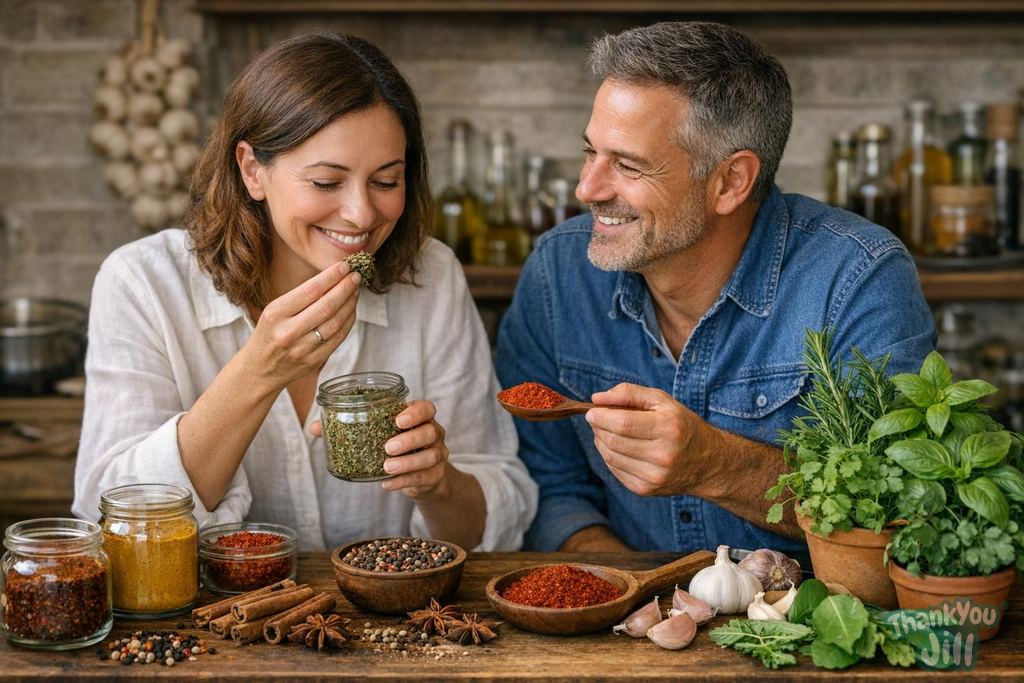
For centuries, spices were currency, objects of war, symbols of power. Not for their flavor: for their medicinal properties. Indian Ayurvedic medicine has used turmeric for 4,000 years. Traditional Chinese medicine has prescribed ginger for millennia. Medieval Europe paid for cinnamon in gold. Then modern pharmaceuticals relegated spices to the role of mere flavorings. Research over the past thirty years is bringing them back to the center of scientific attention: many of the compounds that make them flavorful have powerful, documented biological effects.
Turmeric and Curcumin: The Most Studied Natural Anti-Inflammatory
Turmeric (Curcuma longa) contains curcumin, a polyphenol with anti-inflammatory, antioxidant, and neuroprotective effects documented by hundreds of studies. Curcumin inhibits NF-κB, one of the primary mediators of chronic inflammation, and has shown protective effects on inflammatory bowel diseases, arthritis, and brain health.
The critical problem: curcumin has very low bioavailability when taken alone. 80-85% is eliminated without being absorbed. Two proven strategies to increase absorption: pair it with black pepper (the piperine in pepper increases curcumin bioavailability by 2,000%), and consume it with fats (it's fat-soluble: it dissolves and absorbs better in the presence of oil or milk). Traditional Indian curry combines turmeric, pepper, and cooking in oil—an ancient culinary insight later confirmed by biochemistry.
Ginger: Digestion, Nausea, and Anti-Inflammatory
Ginger (Zingiber officinale) contains gingerols and shogaols, compounds with anti-inflammatory, antiemetic (anti-nausea), and digestive-promoting effects that are well-documented. Clinical research shows effectiveness for pregnancy-related nausea (safe, preferred over pharmaceutical antiemetics), chemotherapy-induced nausea, menstrual pain, and osteoarthritis (pain reduction comparable to ibuprofen in some studies). It has modest but real effects on systemic inflammation.
Cinnamon: Blood Sugar and Flavor
Ceylon cinnamon (Cinnamomum verum), distinct from the more common but less prized Cassia cinnamon (Cinnamomum aromaticum), contains cinnamaldehyde and proanthocyanidins with documented effects on insulin sensitivity. Studies show that 1-3g of cinnamon daily reduces fasting blood sugar and post-meal blood sugar response in people with type 2 diabetes. The effect isn't dramatic, but it's real and without side effects. Cassia cinnamon contains coumarin in quantities that can be problematic at high chronic doses: choose Ceylon for daily use.
Black Pepper: The Synergistic Spice
The piperine in black pepper isn't just pungent: it's a powerful inhibitor of intestinal enzymes that break down plant compounds before absorption. It increases the bioavailability of curcumin (2,000%), coenzyme Q10, beta-carotene, and selenium. It's a natural "bioenhancer": use it alongside other beneficial spices and foods to amplify their effects. Freshly ground black pepper preserves piperine better than pre-ground pepper.
Rosemary: Antioxidant and Neuroprotector
Rosemary contains rosmarinic acid and carnosol, extremely potent antioxidants. Studies show neuroprotective effects: inhaling rosemary aroma (even without ingestion) has shown improved cognitive performance in some studies. Rosemary compounds cross the blood-brain barrier and affect acetylcholinesterase (the enzyme deficient in Alzheimer's disease). Traditionally used in meat marinades, rosemary also has an antioxidant effect on meat fats during high-temperature cooking, reducing the formation of heterocyclic amines (potentially carcinogenic).
How to Store Spices Correctly
Spices lose potency rapidly with exposure to light, heat, moisture, and oxygen. Store them in dark glass jars with airtight lids, away from stovetops (keeping spices above or next to the stove is the worst storage practice) and direct sunlight. Whole spices (cumin seeds, peppercorns, cinnamon sticks, cloves) keep much better than ground spices: grind or grate at the moment of use. Optimal storage time: whole spices 2-3 years, ground spices 6-12 months. After these periods they're not dangerous but have lost much of their active compounds.

Spices are the pharmacy of the kitchen. You don't need a pharmacist's dose or a doctor's prescription: just a pinch of turmeric with pepper and oil daily, fresh ginger in tea, cinnamon in your porridge. Small daily gestures that centuries have already proven worthwhile.
The "Golden Latte": Bioavailable Turmeric Daily
Heat 200ml of plant-based milk (oat, almond, or dairy milk). Add one teaspoon of turmeric powder, a quarter teaspoon of black pepper, half a teaspoon of cinnamon, one teaspoon of coconut oil or a drizzle of extra virgin olive oil. Sweeten with a little honey if you like. Mix well. This combination (curcumin + pepper = 20 times superior bioavailability + fats that facilitate absorption) is the most effective way to incorporate turmeric into your daily diet without capsules or supplements.
Daily Ginger: Three Simple Ways
Fresh ginger tea: a 2cm piece of root grated in a cup of hot water, 5 minutes of steeping. Morning smoothie: add 1cm of fresh grated ginger to your blender. In meat or fish marinades: grated ginger with garlic, soy sauce, and lemon. Fresh ginger is much more potent than powdered ginger for its active gingerol content.
Build Your Basic Spice Kit
Ten spices that cover almost everything: turmeric, black pepper, Ceylon cinnamon, cumin (seeds), coriander (seeds), sweet and smoked paprika, chili pepper, ground ginger, oregano. With these ten spices in dark glass jars you can prepare any Mediterranean, Asian, Mexican, or Middle Eastern cuisine, with anti-inflammatory and antioxidant flavors in every dish.
Fresh vs. Dried Spices: When to Choose Which
Fresh herbs (basil, parsley, cilantro, mint): best added at the end of cooking or raw, they lose much aroma with prolonged heat. Dried spices (cumin, turmeric, paprika, cinnamon): best toasted in a dry pan for 30 seconds before use (activates essential oils), or added at the beginning of cooking in oil (aromatic molecules dissolve in fat). Ginger and garlic: both fresh and dried have different uses—fresh for more pungent and vibrant flavors, dried for rounder flavors integrated into long cooking.
Frequently Asked Questions
How can I increase the absorption of curcumin from turmeric?
To improve curcumin absorption, it's effective to take it with black pepper, which increases bioavailability by 2,000%, and with fats like oil or milk, since curcumin is fat-soluble and absorbs better in the presence of lipids.
What's the difference between Ceylon cinnamon and Cassia cinnamon in terms of safety and benefits?
Ceylon cinnamon is preferable for daily use because it contains less coumarin, a substance potentially toxic at high chronic doses, while Cassia cinnamon, more common, has less safe effects despite being more economical.
How do I properly store spices to keep their active compounds intact?
Spices should be stored in dark glass jars with airtight lids, away from light, heat, moisture, and stovetops. Whole spices last 2-3 years, ground spices 6-12 months, and it's recommended to grind whole spices at the moment of use.
What are the main benefits of ginger and how can I use it daily?
Ginger has anti-inflammatory, anti-nausea, and digestive effects. It can be consumed fresh in tea, smoothies, or marinades, where the content of active gingerols is higher than in powder form, offering effective and natural benefits.

Latest News




Comments
No comments yet. Be the first!
Leave a comment