


 Italiano
 Français
 Deutsch
 Español
 Português
 Svenska
 Suomi
Suomi
Food Waste Apps
Too Good To Go and Others
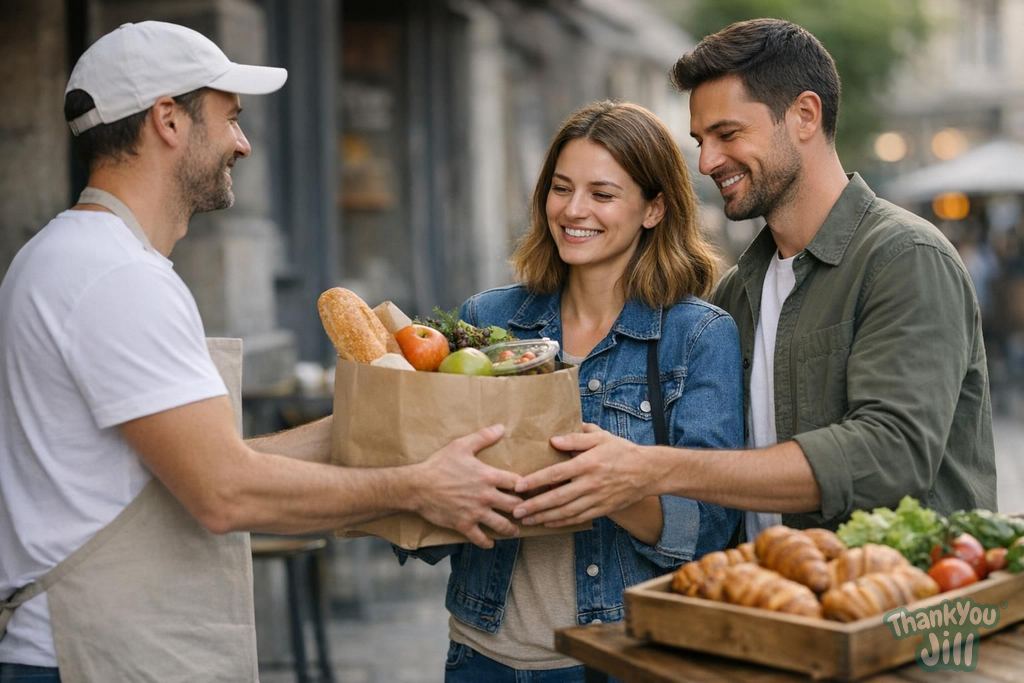
Digital technology has created new tools to combat food waste by connecting those with surplus food (restaurants, bakeries, supermarkets, hotels) with people willing to take it home at a reduced price instead of letting it go to waste. The market for food waste apps has grown rapidly in Italy since the early 2020s and today represents one of the most dynamic sectors of the circular economy applied to food.
Too Good To Go: The Most Widespread in Italy
Too Good To Go is the most widespread food waste platform in Europe with over 100 million registered users in 17 countries. How it works: partners (restaurants, bakeries, supermarkets, hotels, bars) upload their "Magic Boxes" (surprise bags) daily with food that would otherwise remain unsold at the end of the day, at prices of €2-6 (compared to a commercial value of €10-25 typically). Users book through the app, pick up during a set time window (usually end of day), and receive the contents as a surprise. In Italy, Too Good To Go is available in over 50 cities with thousands of partners. Since its global launch in 2016, the platform claims to have saved over 350 million meals from waste. The downside: the contents of Magic Boxes are unpredictable (you don't know exactly what you'll receive), pickup requires planning (tight time windows), and it's not always available in all geographic areas.
Gesto: The Italian App for Food Between Neighbors
Gesto is an Italian app (founded in Bologna) that allows you to sell or give away surplus food between neighbors and between businesses and individuals. It works like a hyperlocal food marketplace: if you have food that's about to expire or you won't use (from an open package of biscuits to a half-empty jar of sauce), you post an ad with photos and description. Interested parties contact you and pick it up. The model is more community-oriented and less structured than Too Good To Go: better suited for small communities and informal exchanges. The free component (food given away) is more significant compared to Too Good To Go where there's always a price. Gesto is active in several Italian cities with a growing user community.
Other Relevant Apps and Platforms for Italy
Karma (Sweden, available in some Italian cities): similar to Too Good To Go but with more emphasis on upscale restaurants. Lets you see exactly what's available (more transparency than surprise Magic Boxes). Bringthefood and Last Minute Sotto Casa: Italian platforms created to connect businesses with food surplus to Third Sector organizations (social canteens, Caritas, solidarity shops). More donation-focused than sales-focused. Olio (UK, but with some Italian areas): app for selling food nearing expiration in stores. RefoodIT and Too Much Food: Italian platforms for B2B redistribution of surplus between food companies and retail chains. ShareTheMeal (WFP): every time you "share" a meal with a €0.80 donation, the WFP provides a meal to a child in the world. Not strictly a food waste app, but a way to connect Western abundance with global needs. Over 150 million meals donated since its launch in 2015.
Measured Impact of Food Waste Apps: Available Data
Too Good To Go publishes its impact data annually. The most recent (2023) claims: over 350 million meals saved globally (equivalent to 800,000 tonnes of CO2 avoided), partner satisfaction rate above 90% (the platform doesn't reduce revenue: it generates income from food that would otherwise be pure cost), over 100 million registered users. Independent impact assessment data is less abundant: WRAP (UK) estimated that food waste apps contribute to reducing retail food waste by approximately 2-4% in areas with high adoption density. It's not the solution to the waste problem, but it's a practical and scalable solution for the distribution-restaurant segment.

Too Good To Go won't save the planet on its own, but that €3 Magic Box containing a restaurant risotto and two morning croissants is a small daily miracle: good food that doesn't end up in a landfill, savings in your wallet, and the satisfaction of doing the right thing without sacrifice. The best incentives are when they do good for you and the world at the same time.
How to Optimize Your Use of Too Good To Go
Enable notifications for your favorite partners (bakery near the office, restaurant in your neighborhood): the Magic Box typically becomes available 1-2 hours before closing and sells out quickly. Book evening Magic Boxes in the morning: many partners make them available at the start of the day. Build a list of reliable partners where you already know what kind of food they offer (a bakery will give you bread and pastries, an Asian restaurant will have Asian cuisine: the surprise is relative). To reduce packaging: bring your own container (some partners happily accept it instead of using their box). Combine Too Good To Go with meal planning: if you know you're picking up a Magic Box on Saturday, leave flexibility in your Saturday evening menu.
The Disco Soup Movement: Collective Anti-Waste Cooking
Disco Soups (or Schnippeldisko in German, the country of origin) are public events where participants bring "ugly" vegetables and fruit (aesthetically imperfect, nearing expiration, donated by shops or markets) and cook them together in large pots, transforming them into soups and stews to share for free. They're social events as much as anti-waste initiatives: music, conviviality, collective cooking, political message about food surplus. In Italy there are Disco Soup initiatives in some cities (Turin, Milan, Bologna): search "Disco Soup + city name" to find local events. They're open to everyone and don't require specific cooking skills.
How to Contribute to the Anti-Waste Network in Your Community
Beyond apps, there are local food waste prevention initiatives looking for volunteers and collaborators. Banco Alimentare: the largest network for collecting and redistributing surplus food in Italy. Over 8,000 charitable organizations supplied. Find the nearest provincial office to volunteer or donate. Solidarity Shops and Municipal Food Banks: present in many Italian cities, they distribute food to families in need. Your contribution can be physical (collecting and distributing) or material (donating food). Last Minute Market: Italian network managing structured food donations between businesses and the Third Sector. Shared Fridges (Fridge Sharing): in some Italian cities there are public fridges where anyone can leave leftover food and anyone can take it for free.
Frequently Asked Questions
What are the main benefits of using Too Good To Go to reduce food waste?
Too Good To Go allows you to purchase unsold food at reduced prices, saving meals from landfills and reducing CO2 emissions. It offers financial savings and contributes to more sustainable consumption, with over 350 million meals saved globally since 2016.
How does Gesto work and how does it differ from Too Good To Go?
Gesto is a hyperlocal marketplace that lets you sell or give away surplus food between neighbors and shops, with detailed listings and direct contact. Unlike Too Good To Go, it's more community-oriented, less structured, and favors free exchange over fixed-price sales.
When is it best to book Magic Boxes on Too Good To Go to ensure availability?
It's best to book Magic Boxes in the morning, when many partners make them available for the evening. Enabling notifications for your favorite partners helps you catch offers as soon as they're posted, since Magic Boxes sell out quickly, especially in urban areas.
How can you reduce the environmental impact of packaging when using food waste apps like Too Good To Go?
To reduce packaging, it's helpful to bring reusable containers when picking up, as some partners are willing to skip their own packaging. This helps decrease plastic waste and makes the anti-waste experience more sustainable.
Latest News




Comments
No comments yet. Be the first!
Leave a comment